


Listen to the article
China Sanctions Japanese Lawmaker Over Taiwan Visits, Escalating Regional Tensions
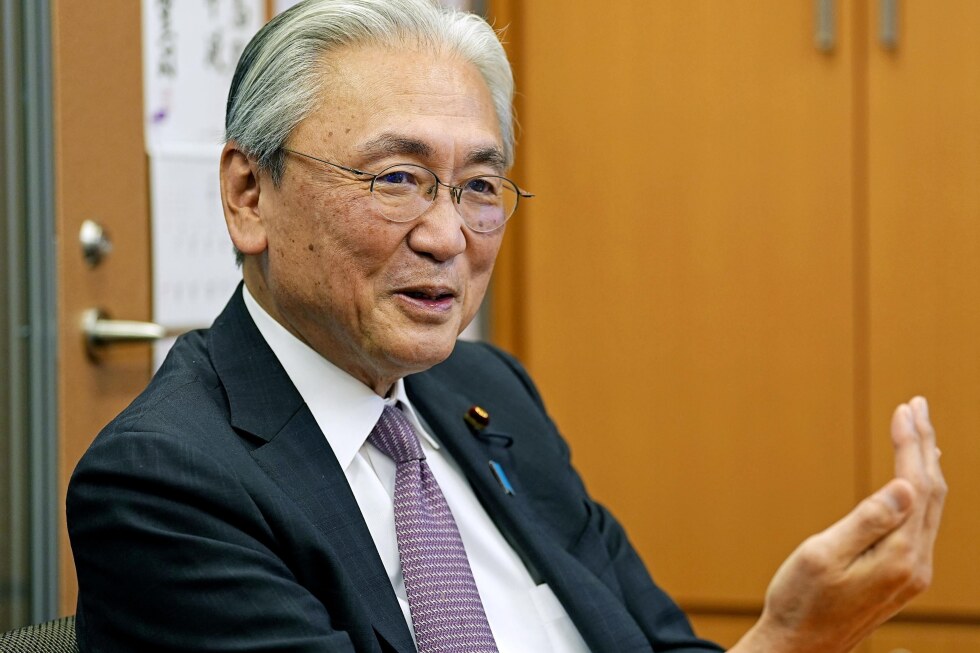
China has imposed sanctions on Japanese lawmaker Keiji Furuya, a prominent conservative politician closely aligned with Prime Minister Sanae Takaichi, further straining diplomatic relations between the two Asian powers. The sanctions, announced Monday by China’s Foreign Ministry, come in response to Furuya’s repeated visits to Taiwan and his alleged collaboration with what Beijing terms “Taiwan independence separatist forces.”
The punitive measures prohibit Furuya from entering mainland China, Hong Kong, and Macao, while also banning his engagement with Chinese organizations and individuals. The sanctions took immediate effect upon announcement.
Japan swiftly condemned the action, with Deputy Chief Cabinet Secretary Masanao Ozaki calling it “absolutely unacceptable” and “extremely regrettable.” The Japanese government has demanded China retract the sanctions immediately, characterizing them as intimidation tactics against differing viewpoints.
Furuya, who chairs a bipartisan Japan-Taiwan lawmakers’ consultation council, has maintained regular contact with Taiwanese officials. His most recent visit to Taipei occurred in mid-March, when he met with newly elected Taiwanese President Lai Ching-te, a figure Beijing views with particular suspicion due to his pro-independence leanings.
The sanctioned lawmaker played a significant role in the Liberal Democratic Party’s electoral strategy leading to its victory in February, working closely with Takaichi. When informed of the sanctions, Furuya appeared unfazed, noting he hadn’t visited China in decades and holds no assets there. “I don’t think there is any impact,” he told reporters, defending his actions as “natural” parliamentary exchanges between regions sharing common values.
Chinese Foreign Ministry spokesperson Mao Ning emphasized that Furuya’s activities violated the one-China principle, which defines Taiwan as an inseparable part of Chinese territory. “The Taiwan question is at the core of China’s core interests, as well as the red line that must not be crossed,” Mao stated, adding that the sanctions would “serve as a warning to others.”
This diplomatic confrontation represents the latest development in deteriorating Sino-Japanese relations, particularly since November when Prime Minister Takaichi angered Beijing by suggesting that a Chinese military action against Taiwan would constitute a “survival-threatening situation” for Japan that could justify Japanese military engagement. This marked a significant departure from Japan’s traditionally ambiguous stance on potential Taiwan contingencies.
China has grown increasingly assertive in isolating Taiwan diplomatically and has responded to what it perceives as foreign interference with a range of economic and diplomatic countermeasures. Last year, Beijing sanctioned another Japanese lawmaker, Chinese-born naturalized Japanese citizen Seki Hei, for allegedly “spreading fallacies” about Taiwan and other disputed territories.
The escalating tensions reflect broader geopolitical shifts in East Asia, where Japan has been strengthening security ties with the United States and other partners amid concerns about China’s growing military and economic influence. Japan has also deepened its unofficial relationship with Taiwan, which shares democratic values and faces similar regional security challenges.
For Taiwan, maintaining strong informal ties with Japan represents a crucial element in its strategy to resist isolation as China continues to pressure countries to sever relations with the self-governed island. Taiwan has been governed separately from mainland China since 1949, but Beijing has never renounced the use of force to bring it under its control.
Analysts suggest these diplomatic frictions are likely to persist as Japan recalibrates its regional security posture and China continues to assert its territorial claims more forcefully under President Xi Jinping’s leadership.
Fact Checker
Verify the accuracy of this article using The Disinformation Commission analysis and real-time sources.

14 Comments
This incident underscores the delicate balance that countries in the region have to navigate when it comes to their relations with Taiwan. China’s willingness to impose sanctions highlights the sensitivities surrounding the Taiwan issue.
It will be interesting to see how other regional powers, such as the US, respond to these latest developments and whether they offer any support to Japan in this situation.
Interesting development in the ongoing tensions between China and Japan over Taiwan. It will be important to see how Japan responds to these sanctions on one of its lawmakers with close ties to Taiwan.
Japan’s condemnation of the sanctions as ‘absolutely unacceptable’ suggests they will take a firm stance in defending their lawmaker and their right to engage with Taiwan.
The sanctions on this Japanese lawmaker are a clear attempt by China to limit foreign engagement with Taiwan and pressure countries to fall in line with its ‘One China’ policy. This could have broader implications for regional stability.
Japan’s strong condemnation of the sanctions suggests they are willing to take a firm stand in defending their right to engage with Taiwan, despite China’s objections.
The sanctions on this Japanese lawmaker are a concerning escalation in the China-Taiwan-Japan tensions. It reflects Beijing’s growing assertiveness and willingness to use economic pressure as a foreign policy tool.
Japan’s demand for an immediate retraction of the sanctions indicates they will not back down easily on this issue.
This seems to be part of China’s efforts to exert pressure on Japan and other countries to limit their interactions with Taiwan. Beijing is clearly taking a hardline approach in asserting its claims over the island.
It will be crucial for Japan and other US allies to coordinate a united response to push back against these coercive tactics from China.
The sanctions on the Japanese lawmaker are a concerning escalation in the ongoing tensions between China and Japan over Taiwan. It reflects Beijing’s increasingly assertive approach in trying to limit foreign engagement with the island.
Japan’s strong reaction, calling the sanctions ‘absolutely unacceptable’, suggests they are prepared to push back against these coercive tactics from China.
This situation highlights the delicate geopolitical dynamics in the Asia-Pacific region. China’s move to sanction a Japanese politician over Taiwan ties raises the stakes and could lead to further deterioration of Sino-Japanese relations.
It will be important for the international community to closely monitor how this situation unfolds and whether it leads to any broader consequences.