


Listen to the article
Netanyahu Backs Controversial Death Penalty Bill for Palestinian Terrorists
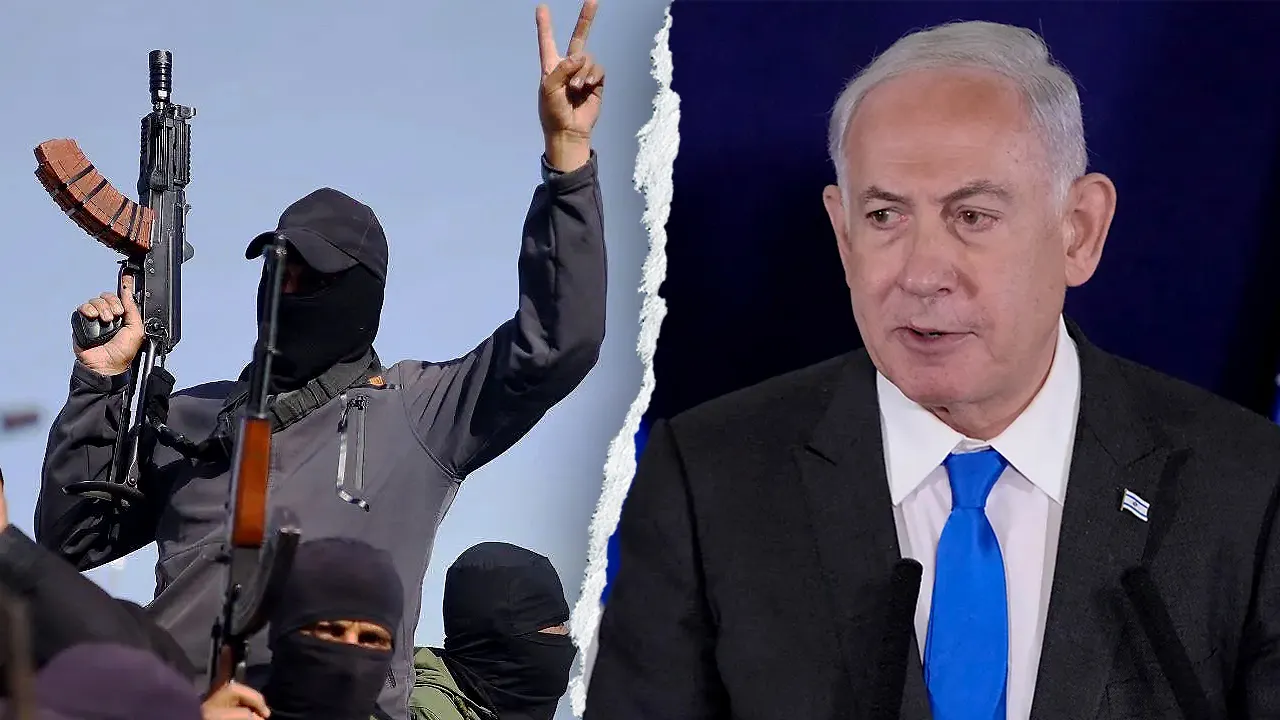
A bill proposing the death penalty for Palestinian terrorists has gained the official support of Israeli Prime Minister Benjamin Netanyahu, sparking intense debate across political and social spheres in Israel. The legislation, sponsored by Limor Son Har-Melech of the far-right Otzma Yehudit party, aims to establish capital punishment as a mandatory sentence for terrorists convicted of killing Israeli citizens.
“In terms of the death-penalty bill, it’s known that the prime minister supports this, of course, as a punishment after a fair trial in our judicial system. Anyone that harms the State of Israel and its citizens will face consequences,” said Shosh Bedrosian, spokesperson for foreign media at the Prime Minister’s Office.
The proposed legislation would institute unprecedented changes to Israel’s judicial approach to terrorism. According to draft principles, the death sentence would be imposed by a simple majority without judicial discretion, with no possibility for sentence modification, plea deals, or pardons. The bill stipulates execution would be carried out within 90 days by lethal injection administered by the Prison Service.
Israeli National Security Minister and Otzma Yehudit Party leader Itamar Ben-Gvir expressed strong support for the measure. “Whoever raped our daughters, murdered our elders, or slaughtered our children has no right to exist, no right to breathe air for a single second,” he told Fox News Digital. “This law is moral and ethical, and it sends a very clear message to our enemies: don’t mess with us.”
Proponents argue the bill would serve as a powerful deterrent against terrorist attacks and hostage-taking. They point to the 2011 exchange that freed 1,027 Palestinian prisoners, including Yahya Sinwar, for IDF soldier Gilad Shalit. Sinwar, later assassinated as Hamas chief, was widely considered the architect of the October 7, 2023 massacre.
“The only way there will be no more kidnappings of Israelis is if there are no more terrorists to release in exchange for them,” said Yitzhak Wasserlauf, Israel’s minister for the Negev, the Galilee and National Resilience.
However, the proposal faces significant opposition from multiple sectors. Dr. Amir Fuchs of the Israel Democracy Institute questions its effectiveness, citing research suggesting capital punishment fails to deter ordinary murderers, let alone terrorists already willing to risk their lives.
“It’s extreme and, I believe, unconstitutional,” Fuchs said, also noting concerns that the law would not apply to Jewish terrorists, creating a discriminatory legal framework.
Religious opposition has emerged as well. United Torah Judaism lawmaker Yaakov Asher cited the Jewish principle of pikuach nefesh—the preservation of human life—as grounds for his objection. “Rabbi Dov Lando instructed us to oppose it, warning that even raising the issue could trigger a wave of terrorism against Jews,” Asher explained.
The Hadash–Ta’al faction in the Knesset, representing Arab-Israeli interests, denounced the bill as discriminatory and potentially counterproductive. “It is clear to us that the death penalty will not deter; on the contrary, it will produce the opposite effect and may increase attacks,” the group stated, calling the proposal “an act of vengeance that deepens hatred.”
If enacted, this would mark only the third use of capital punishment in Israel’s history. The most notable previous case was the 1962 execution of Nazi SS officer Adolf Eichmann, a key architect of the Holocaust.
Before becoming law, the bill must pass two additional readings in the Knesset plenum and could still undergo amendments. As the legislative process continues, the debate reflects deeper divisions within Israeli society over how to address terrorism while maintaining the country’s democratic and humanitarian values during an ongoing conflict.
Fact Checker
Verify the accuracy of this article using The Disinformation Commission analysis and real-time sources.

10 Comments
This proposed legislation seems to significantly limit judicial discretion and individual case considerations. The death penalty is an extremely serious matter, and I hope Israel will engage in robust public debate to carefully examine the full implications before enacting such a law.
Agreed, the lack of judicial discretion is very concerning. The death penalty is an irrevocable punishment, and I share your hope that Israel will prioritize thorough, inclusive deliberation on this sensitive issue.
The death penalty is a highly complex and emotive issue, and I can understand the desire for strong deterrents against terrorism. However, I hope the Israeli government will also carefully consider international human rights standards and the potential for wrongful convictions before moving forward with this proposal.
This is a highly controversial and sensitive issue. While I understand the desire for strong deterrents against terrorism, the death penalty remains a very complex and divisive topic with valid arguments on both sides. It will be interesting to see how the public and the judicial system respond to this proposed legislation.
Agreed, the implications of this bill warrant careful consideration. The balance between security and human rights is a delicate one that Israel will have to navigate thoughtfully.
While I understand the Prime Minister’s desire for tough action against terrorists, the mandatory death penalty raises serious due process questions. Israel should ensure any judicial reforms prioritize fairness, proportionality, and respect for human rights.
Mandatory death sentences for terrorism convictions is an extreme measure that raises significant human rights concerns. I hope the Israeli government will thoroughly examine the potential consequences and ethical implications before moving forward with this proposal.
The death penalty is a highly contentious issue, and I share your apprehension about the ethical issues this bill could raise. Careful deliberation is essential when considering such a weighty and irreversible punishment.
This is a contentious and divisive issue that deserves careful, nuanced consideration. While combating terrorism is critical, the mandatory death penalty raises significant human rights concerns that the Israeli government must thoughtfully address. I hope the public debate will be substantive and inclusive.
Well said. Balancing security imperatives with human rights protections is a delicate challenge, and one that requires rigorous, impartial analysis. Thoughtful, transparent deliberation will be essential as Israel navigates this complex issue.