


Listen to the article
As U.S.-Iran nuclear negotiations progress under President Donald Trump’s administration, Israeli officials are increasingly vocal about what they consider non-negotiable elements of any potential deal with Tehran.
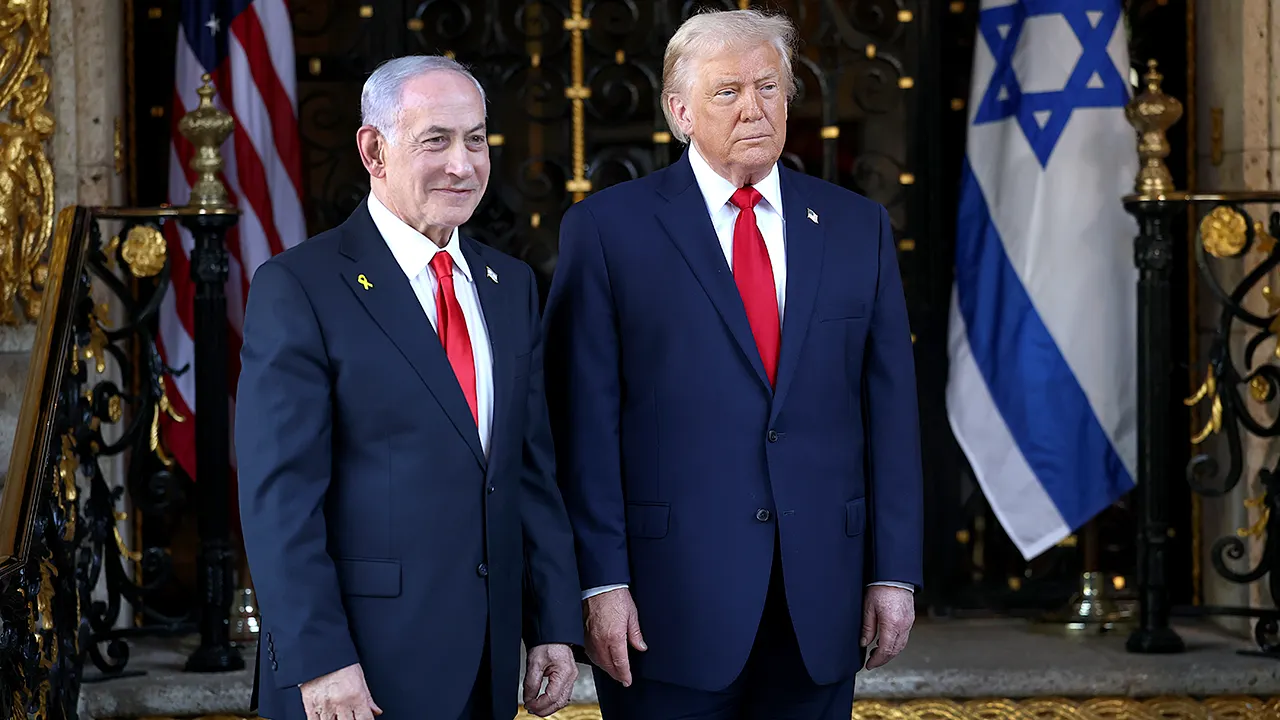
Prime Minister Benjamin Netanyahu emphasized Wednesday that Israel and the United States remain in “full coordination” throughout the negotiation process. “We share common objectives, and the most important objective is the removal of the enriched material from Iran, all the enriched material, and the dismantling of Iran’s enrichment capabilities,” Netanyahu stated during a security cabinet meeting.
President Trump expressed optimism about the negotiations, telling reporters at the White House, “We’ve had very good talks over the last 24 hours, and it’s very possible that we’ll make a deal.” However, he cautioned that if talks fail, “we’ll have to go a big step further.”
For Israel, the stakes extend beyond simply ending hostilities. Israeli officials fear a weak agreement could allow Iran to preserve strategic capabilities, regain economic footing, and eventually rebuild its network of armed proxies that have threatened Israeli security. Jerusalem is particularly concerned with maintaining military leverage and freedom of action should Iran violate future commitments.
Israeli security experts have outlined four core areas they consider critical in any deal: dismantling Iran’s uranium enrichment infrastructure, restricting its ballistic missile program, preventing Tehran from rebuilding Hezbollah and Hamas, and ensuring the Iranian regime gains neither political legitimacy nor strategic relief from negotiations.
On the nuclear issue, former Israeli National Security Advisor Yaakov Amidror expressed an uncompromising position: “Weaponized uranium must leave Iran. The Iranians must not be allowed to enrich uranium.”
Israeli journalist Nadav Eyal noted that Jerusalem seeks a much stricter framework than previous agreements, wanting “Iran to stop enrichment for as long as possible and for the enriched material to leave Iran.” He added that Israel is advocating for “an arms control agreement that would be extensive and robust.”
Avner Golov, vice president of the Mind Israel think tank, emphasized the importance of permanently dismantling underground nuclear infrastructure. “In the nuclear arena, what matters is the removal of the enriched material, the destruction of the underground facilities, including those still being built, and a prohibition on new sites,” he said. Golov specifically warned against “sunset clauses” that would allow restrictions to expire after several years.
Jonathan Ruhe of the Jewish Institute for National Security of America (JINSA) argued that the United States and Israel should have “strongly similar redlines,” including “shutting down Iran’s nuclear weapons program completely, permanently and verifiably.” This would include shuttering remaining enrichment facilities at sites like Pickaxe and Isfahan.
Israeli analysts have increasingly placed Iran’s ballistic missile program on equal footing with the nuclear threat. “One of the key questions is whether there will be any sort of limitation on the ballistic missile program of the Iranians,” Eyal noted. “Israel sees this as no less of an existential threat than the nuclear issue.”
Amidror warned that without proper restrictions on missile development, the threat could eventually extend beyond Israel and Europe to reach the United States within 5-10 years.
Golov cautioned that a nuclear-only agreement would allow Iran to rebuild a missile shield protecting future nuclear breakout capabilities. “A deal that focuses only on the nuclear program would allow the Iranians to produce thousands of missiles and create a protective shield around their nuclear program.”
Another significant Israeli concern is preventing sanctions relief or renewed trade from funding Iran’s regional proxies. “Israel is demanding that the Islamic Republic isolate itself from involvement with Lebanon and Gaza and stop supporting armed groups that operate against Israel,” Eyal explained.
Amidror noted that Iran’s ability to support groups like Hezbollah and Hamas has already been weakened by the collapse of regional supply routes. “The Iranians cannot effectively support the proxies because there is no longer a land bridge from Iran to Syria,” he said. However, he cautioned that if negotiations create the impression that Washington backed down, Iran’s regional influence could paradoxically emerge stronger even after recent military setbacks.
Israeli officials are also focused on avoiding any agreement that restores legitimacy to the Iranian regime without fundamentally weakening it. Ruhe warned that for Israel, a “bad deal” would be any agreement that constrains Israel’s future freedom of action against Iran and its proxies.
“This is one big reason Iran wants to ensnare the Trump administration in open-ended negotiations that sideline military options and create daylight between Washington and Jerusalem,” Ruhe concluded.
Fact Checker
Verify the accuracy of this article using The Disinformation Commission analysis and real-time sources.

22 Comments
Interesting to see the U.S. and Israel aligning their objectives on this issue. A unified approach could put more pressure on Iran, but they’ll also try to exploit any daylight between the allies.
Absolutely. Finding a compromise that addresses Israel’s core concerns while allowing Iran to maintain some face-saving concessions will be the ultimate test.
The stakes are high for both sides, with Israel wanting to eliminate Iran’s nuclear and missile capabilities, and Iran seeking to preserve its strategic position. Striking the right balance will be challenging.
You’re right, it’s a delicate balance. Any deal will need to address Israel’s security needs while also allowing Iran to save face and maintain some economic footing.
The demand for zero enrichment seems very high, but understandable given Israel’s security concerns. Rigorous verification measures will be key to building trust and ensuring compliance.
Absolutely. Finding verification mechanisms that satisfy Israel’s needs while also allowing Iran to save face will be the real test in these negotiations.
The missile restrictions and dismantling of enrichment capabilities seem like non-negotiable demands from Israel. But Iran will likely push back aggressively on those points.
You’re right. Bridging those differences and finding a solution that satisfies both sides’ core interests will be crucial to reaching a lasting agreement.
It’s interesting to see the Trump administration expressing optimism, even as Israel lays out its firm red lines. Reconciling those divergent positions will be a significant challenge.
Agreed. The U.S. and Israel will need to coordinate closely and be willing to make some concessions to get Iran to the table and reach a sustainable deal.
The demand for zero enrichment is a tough stance, but understandable given Israel’s concerns. Rigorous verification will be crucial to build trust and ensure Iran’s compliance.
Agreed. Verification measures that satisfy both sides will be key to reaching a sustainable agreement.
Interesting to see Israel’s firm stance on the Iran nuclear deal negotiations. Ensuring no enrichment capabilities and rigorous verification seems crucial to address their security concerns.
Agreed. Israel’s proximity to Iran makes them understandably wary of any deal that could allow Iran to eventually rebuild its regional influence and armed proxies.
It’s interesting to see the Trump administration expressing optimism about the negotiations, even as Israel lays out its firm red lines. Bridging those differences will be crucial.
Agreed. The U.S. and Israel will need to coordinate closely to present a united front, while also being willing to make some concessions to get Iran to the table.
Interesting to see the U.S. and Israel maintaining coordination on this issue. Aligning their objectives will be important for effective negotiations with Iran.
Yes, a unified front between the U.S. and Israel could put more pressure on Iran to make concessions. But Iran will also try to exploit any daylight between the two allies.
The demand for zero enrichment seems like a high bar, but it’s understandable given Israel’s security concerns. Rigorous verification will be key to building trust on all sides.
Yes, verification measures that satisfy Israel’s needs while also allowing Iran to save face will be the real challenge here.
The missile restrictions and dismantling of enrichment capabilities seem like non-negotiable demands from Israel’s perspective. Iran will likely push back strongly on those points.
Absolutely. Finding a compromise that addresses Israel’s core security concerns while allowing Iran to save face will be the true test of the negotiations.