


Listen to the article
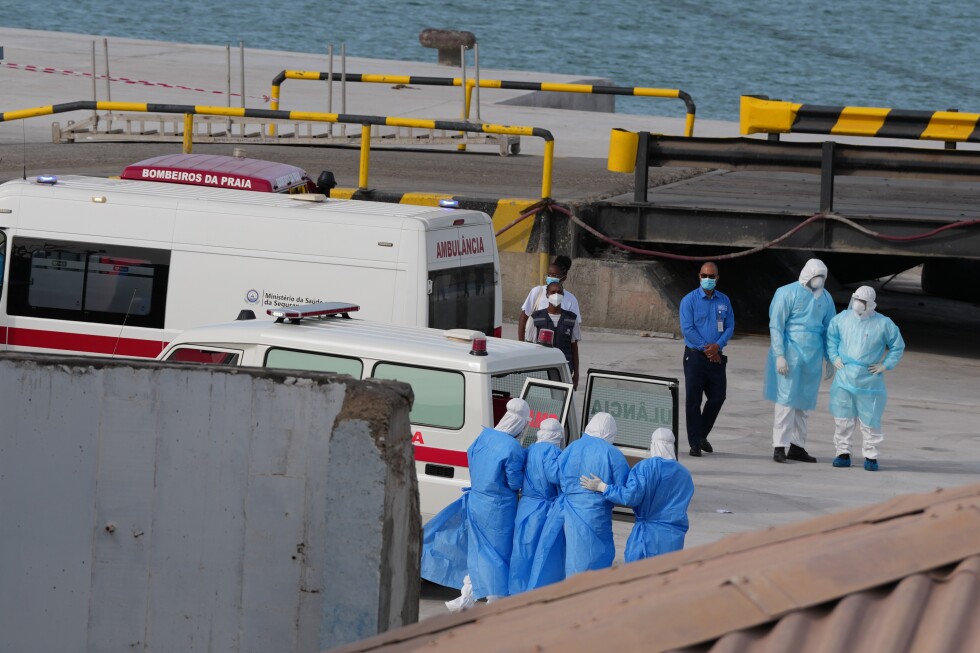
Health officials across multiple countries have launched extensive contact tracing efforts following a hantavirus outbreak on a cruise ship that has claimed three lives. While experts remain confident this outbreak won’t escalate into a wider epidemic, vigilance remains high as they work to track potential exposures and better understand the virus.
Hantaviruses typically spread through inhalation of contaminated rodent droppings rather than person-to-person transmission, making widespread outbreaks uncommon. However, the Andes virus variant identified in this outbreak presents unusual concerns, as it may be one of the rare hantavirus strains capable of limited human-to-human transmission.
“The primary goal of our contact tracing is to identify potentially exposed individuals, monitor them for symptoms, and prevent further spread,” said a health official involved in the international response. “While we’re dealing with a small number of confirmed cases, the mobile nature of cruise passengers means our net needs to be cast wide.”
Currently, approximately 140 passengers remain on board the vessel as it heads toward the Canary Islands, where they will disembark. None of these individuals have reported symptoms. However, dozens of passengers who left the ship about two weeks after the first death—but before authorities identified hantavirus as the cause—have scattered to at least 12 countries, including several U.S. states.
The international response has varied by country. Authorities in St. Helena, the remote British territory in the South Atlantic where some passengers disembarked, have implemented stringent protocols for those considered “higher-risk contacts,” requiring isolation for 45 days. British health officials have confirmed two returning passengers are self-isolating as a precaution, though neither has shown symptoms.
In Singapore, health authorities are monitoring two men who left the ship at St. Helena and subsequently traveled through South Africa before returning home. Both have been placed in isolation at the country’s National Center for Infectious Diseases for testing and observation.
American public health departments have been more reserved in their public communications. Texas officials reported contacting two residents who disembarked on April 24. Both individuals claim they experienced no symptoms and had no contact with sick passengers. They’ve agreed to daily temperature checks and will alert authorities if they develop any concerning symptoms. Similarly, Arizona is monitoring one former passenger who will remain under observation for 42 days.
Canadian officials confirmed two Ontario residents who were on the cruise have been advised to self-isolate since returning home.
Beyond contact tracing, scientists are racing to better understand the virus’s characteristics. The Andes virus, native to South America, is drawing particular scrutiny. Argentina’s Health Ministry reported that initial cases may have originated during a birdwatching excursion in the southern city of Ushuaia, with researchers from the state-funded Malbrán Institute planning to investigate on-site.
“We’re analyzing the virus’s genetic makeup to determine whether it has undergone mutations that might enhance transmissibility,” explained Dr. Jeanne Marrazzo, chief executive officer of the Infectious Diseases Society of America. “Current evidence suggests people are primarily infectious while symptomatic, with transmission likely occurring through respiratory droplets expelled during talking, coughing, or sneezing.”
The outbreak has highlighted the challenges of controlling infectious diseases in our interconnected world, where travelers can cross multiple borders before symptoms appear. While hantavirus infections remain relatively rare globally, this incident demonstrates how quickly potential exposures can spread internationally, requiring coordinated responses across multiple health systems.
Public health experts emphasize that while the situation warrants careful monitoring, the limited person-to-person transmission capability of hantaviruses means widespread community outbreaks remain unlikely. The focus remains on identifying and monitoring those with direct exposure while advancing scientific understanding of the virus variant involved.
Fact Checker
Verify the accuracy of this article using The Disinformation Commission analysis and real-time sources.

9 Comments
Hantaviruses typically spread through rodent droppings, not person-to-person. So the fact that this Andes variant may have limited human transmission is quite unusual and concerning. Robust contact tracing will be key to understanding the full scope of this incident.
The news of three fatalities from this cruise ship hantavirus outbreak is tragic. I hope the health officials are able to quickly identify and support all potentially exposed passengers to prevent further loss of life. Containing these types of outbreaks is absolutely critical.
Hantavirus outbreaks are quite rare, so the fact that this one involves a cruise ship makes it even more unusual and noteworthy. The possibility of limited human-to-human transmission is certainly concerning and warrants intensive investigation.
Cruise ships can be challenging environments to manage infectious disease outbreaks. The fact that this hantavirus variant may have limited human transmission ability is a concerning development that will require vigilant monitoring and containment efforts.
This hantavirus situation on the cruise ship is quite alarming. I’m glad to see the authorities taking such a proactive approach with extensive contact tracing, but the potential for person-to-person spread is very worrying. Hopefully they can get a handle on it quickly.
It’s good to see health officials across multiple countries collaborating to track this situation. Identifying and monitoring potentially exposed individuals will be crucial to prevent further spread, especially given the mobile nature of cruise passengers.
Absolutely, the international coordination on this response is reassuring. Containing outbreaks on cruise ships can be challenging, so their proactive approach is commendable.
This hantavirus outbreak on a cruise ship is certainly concerning. Vigilance and extensive contact tracing are crucial to containing the spread and monitoring potential exposures. The ability of the Andes virus variant to potentially transmit person-to-person adds an extra layer of complexity.
Cruise ships can be breeding grounds for infectious diseases, so I’m glad to see the authorities taking this hantavirus outbreak seriously. The details about potential person-to-person transmission are particularly worrying and warrant close monitoring.