


Listen to the article
Israel and Lebanon Agree to 10-Day Ceasefire as Trump Pushes for Lasting Peace Deal
President Donald Trump announced Thursday that Israel and Lebanon have agreed to a 10-day ceasefire beginning at 5 p.m. Eastern Time, marking a significant step toward ending weeks of fighting between Israel and Hezbollah.
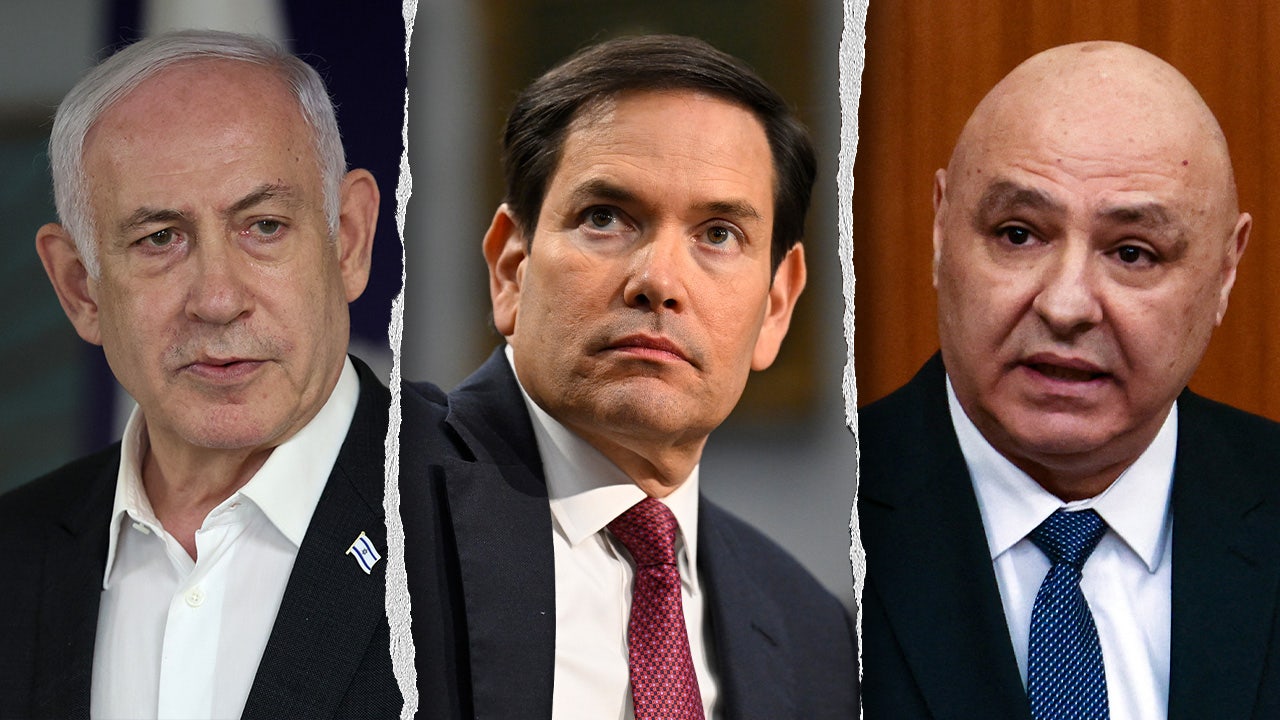
Trump revealed he had spoken separately with Lebanese President Joseph Aoun and Israeli Prime Minister Benjamin Netanyahu, with both leaders agreeing to begin formal talks aimed at establishing a broader peace agreement.
“I just had excellent conversations with the Highly Respected President Joseph Aoun, of Lebanon, and Prime Minister Bibi Netanyahu, of Israel,” Trump wrote on Truth Social. The president has directed Vice President JD Vance, Secretary of State Marco Rubio and Chairman of the Joint Chiefs of Staff Gen. Dan Caine to work with both sides to achieve what he called a “lasting peace.”
The diplomatic breakthrough follows days of intense U.S. mediation efforts and represents the first potential pause in hostilities since Hezbollah entered the conflict on March 2. Trump announced plans to invite Netanyahu and Aoun to the White House for what would be the first meaningful talks between Israeli and Lebanese leaders since 1983.
“Both sides want to see PEACE, and I believe that will happen, quickly!” Trump wrote.
The ceasefire announcement resolved an earlier diplomatic dispute over whether Aoun would speak directly with Netanyahu. Earlier Thursday, Lebanese officials had insisted that Aoun would not engage in direct talks with the Israeli prime minister before a ceasefire was secured.
A senior Lebanese official told Fox News Digital that domestic pressure against further contacts with Israel while fighting continued was intense. Many in Lebanon believed their government had already entered negotiations without receiving anything in return, making a ceasefire a prerequisite for any direct contact.
Shortly afterward, however, Lebanon’s presidency announced that Aoun had spoken directly with Trump. According to the Lebanese presidency’s official statement, Aoun thanked the U.S. president for his efforts to secure a ceasefire and achieve lasting peace that could pave the way for broader regional stability.
Aoun, who previously served as commander of Lebanon’s U.S.-backed armed forces before becoming president in 2025, emphasized that an Israeli withdrawal from southern Lebanon would be necessary before Lebanese troops could fully deploy to the border region.
This diplomatic initiative comes as the White House pushes for a broader deal to end the regional conflict that expanded significantly after Iran-backed Hezbollah joined the fighting in March. Pakistan, which helped mediate the April 8 ceasefire between Israel and Iran, has stressed that ending the fighting in Lebanon is essential to preserving that agreement.
The latest U.S. diplomatic push follows a rare meeting Tuesday in Washington between Lebanese Ambassador Nada Hamadeh Moawad and Israeli Ambassador Yechiel Leiter. These talks, held at the State Department under U.S. mediation, marked the first face-to-face discussions between senior Israeli and Lebanese officials in more than three decades.
Despite the ceasefire announcement, Hezbollah remains publicly opposed to negotiations. At the same time, Lebanon’s government has increasingly distanced itself from the group since it entered the war. The Lebanese government formally banned Hezbollah’s military activities on March 2 and has spent the past year attempting to disarm the Iranian-backed organization without triggering broader civil conflict.
Meanwhile, fighting intensified Thursday in southern Lebanon, particularly around the border town of Bint Jbeil, a longtime Hezbollah stronghold that Israeli officials consider a key objective in their current offensive. Netanyahu said Wednesday that Israeli forces were close to “overcoming” Hezbollah in the area.
The Israeli military’s immediate objective is to push Hezbollah farther from the border to prevent anti-tank missiles and other direct-fire weapons from threatening northern Israeli communities, according to IDF spokesperson Lt. Col. Nadav Shoshani.
Israeli forces are now holding what they call “defense lines” several kilometers inside Lebanon, positions designed to keep Hezbollah fighters and anti-tank squads from overlooking Israeli towns. “We’re going to make sure we keep diminishing them,” Shoshani said.
In a significant strategic move, Lebanese security officials reported that an Israeli airstrike destroyed the last remaining bridge over the Litani River leading into southern Lebanon, effectively cutting off nearly a tenth of the country from the rest of Lebanon after earlier strikes destroyed other crossings.
Israel has vowed to turn the area south of the Litani River, which runs roughly 20 miles north of Israel’s border, into a “no-go zone” for Hezbollah. Israeli military chief of staff Lt. Gen. Eyal Zamir said Wednesday that Hezbollah operatives would no longer be allowed to operate south of the river.
Hezbollah responded Thursday with fresh rocket fire into northern Israel, triggering warning sirens in several Israeli communities and sending residents into bomb shelters.
The human toll of the conflict has been severe. More than 2,100 people have been killed in Lebanon since March 2, and over 1.2 million have been displaced, according to Lebanese authorities. Israeli officials report that Hezbollah attacks have killed two Israeli civilians and 13 Israeli soldiers during the same period.
Fact Checker
Verify the accuracy of this article using The Disinformation Commission analysis and real-time sources.

13 Comments
While a temporary ceasefire is welcome, the long history of tensions between Israel and Lebanon means lasting peace will be very difficult to achieve. I’m skeptical this will lead to a durable solution.
As an investor in mining and energy equities, I’ll be closely watching these diplomatic efforts. Stability in the region is crucial for the long-term outlook of companies operating there.
The involvement of US leadership is noteworthy. But past peace efforts have often faltered, so I remain cautiously optimistic about the prospects for a comprehensive, lasting agreement.
You’re right to be cautious. The history of failed negotiations means this will be an uphill battle. But with the right approach, perhaps a sustainable solution can be found.
This ceasefire is a positive step, though lasting peace will require careful negotiations. I hope both sides can find common ground and address the underlying issues.
With Trump’s personal involvement, this could be a pivotal moment. But the road to a lasting agreement will be long and arduous. I hope both sides can find a way to compromise for the sake of regional stability.
This conflict has major implications for energy and mining interests in the region. A stable political environment is critical for investments and operations to proceed smoothly.
This ceasefire is a welcome development, but it’s only a first step. Significant work remains to address the complex web of territorial, security, and resource disputes between the two sides.
Uranium and other critical minerals are key strategic resources, so peace between Israel and Lebanon could impact global supply chains. Monitoring these developments will be important for the industry.
The potential for a broader peace deal is intriguing, but I’m hesitant to get too optimistic. Past negotiations have repeatedly collapsed, and the underlying tensions remain deeply entrenched.
Securing a ceasefire is an important first step, but the fundamental disputes over borders, resources, and security will require substantive negotiations. I hope both sides approach these talks in good faith.
The involvement of the US government is crucial to facilitate these talks. Hopefully they can broker a more comprehensive agreement that brings stability to the region.
Agreed. With Trump’s direct outreach, the US can play a constructive role in bringing the parties together. But it will take compromise from both sides.