


Listen to the article
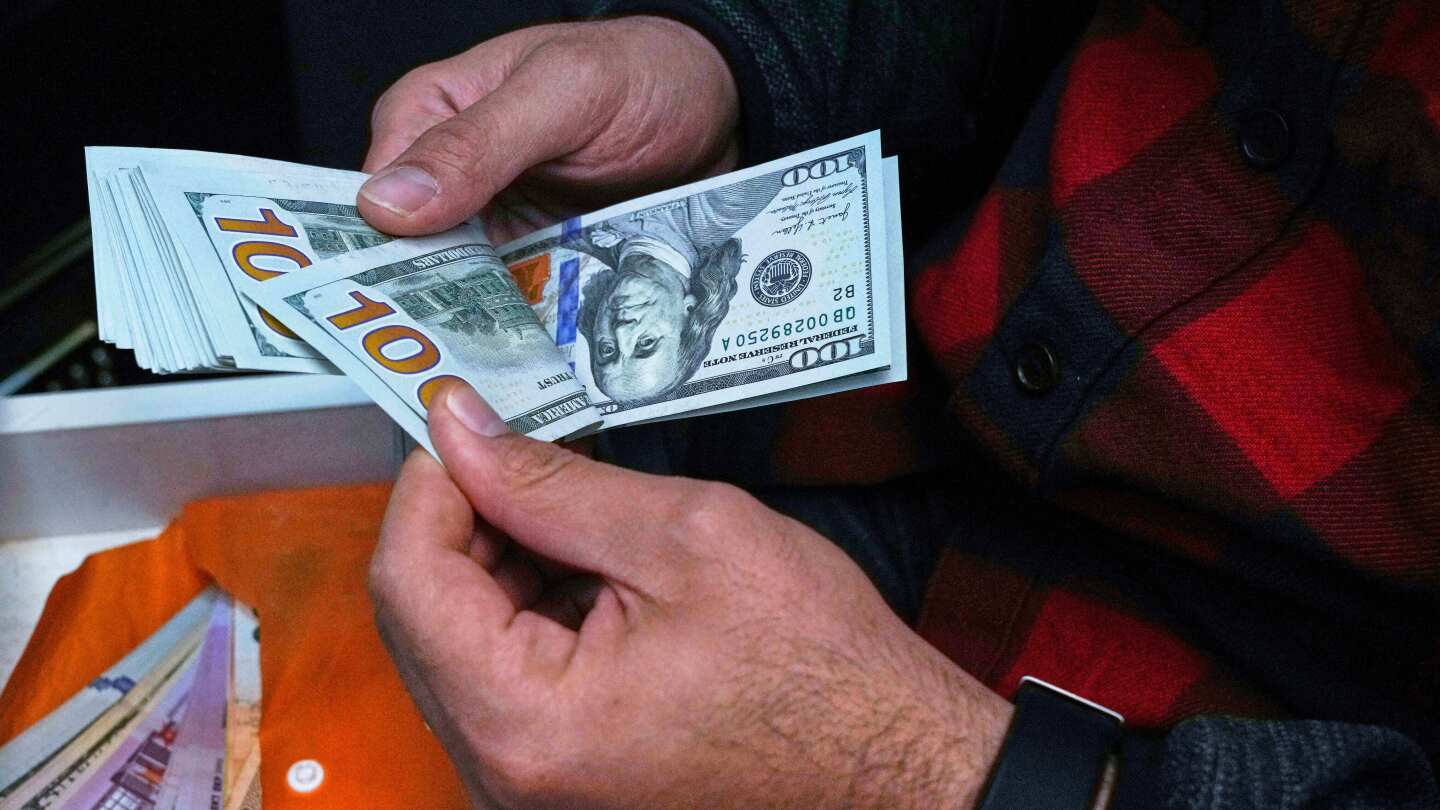
Iran’s currency plunged to unprecedented lows on Monday, with the rial breaching 1.3 million to the U.S. dollar in Tehran’s currency markets. This marks a dramatic acceleration of the currency’s freefall, coming less than two weeks after it first crossed the 1.2-million threshold against the greenback.
Currency traders across Tehran reported exchange rates exceeding 1.3 million rials per dollar, highlighting the speed of the decline since December 3, when the currency had already reached what was then considered a historic low.
The rapid depreciation is exacerbating inflation throughout Iran’s economy, driving up prices for food staples and essential consumer goods. Ordinary Iranians are feeling the squeeze as household purchasing power continues to erode in a country already battling economic hardship.
Compounding these pressures, the Iranian government introduced a significant change to its fuel pricing structure on Saturday. The new system maintains the existing subsidized rates for limited quantities – 60 liters monthly at 15,000 rials per liter and another 100 liters at 30,000 rials – but establishes a third tier for additional purchases at more than triple the base subsidized price.
This marks the first major adjustment to Iran’s gasoline pricing since 2019, when a previous price increase triggered nationwide protests that were met with a harsh government crackdown. That episode reportedly resulted in more than 300 deaths, according to international monitoring groups.
While Iranian fuel remains among the world’s cheapest even after this adjustment, economists warn the change could further accelerate inflation at a particularly vulnerable moment, as the currency’s collapse already strains household budgets across the country.
The economic deterioration comes against a backdrop of stalled diplomatic efforts to revive Iran’s nuclear deal with world powers. The 2015 accord, which limited Iran’s uranium enrichment in exchange for sanctions relief, saw the rial trading at approximately 32,000 to the dollar when implemented – nearly 40 times stronger than today’s rate.
Market uncertainty has been amplified by regional tensions following the 12-day conflict between Iran and Israel in June. Many Iranians and investors fear the possibility of a broader confrontation that could potentially involve the United States, adding another layer of anxiety to already nervous markets.
Iran’s economic troubles have been persistent since Donald Trump unilaterally withdrew the United States from the nuclear deal in 2018, reimposing crippling sanctions. The situation has worsened since Trump’s return to the White House in January, as his administration has revived the “maximum pressure” campaign against Tehran, expanding sanctions targeting Iran’s financial sector and energy exports.
U.S. officials have renewed efforts to pursue companies involved in trading Iranian crude oil, particularly focusing on discounted sales to Chinese buyers, according to recent statements from Washington.
Further pressure came in late September when the United Nations reinstated nuclear-related sanctions through the “snapback” mechanism. These measures froze Iranian assets abroad, halted arms transactions, and imposed penalties related to Iran’s ballistic missile program.
Economic analysts warn that the rial’s accelerating decline risks creating a dangerous cycle of higher prices and reduced purchasing power. Staples central to Iranian diets, such as meat and rice, are becoming increasingly unaffordable for many families.
“The currency collapse has immediate impacts on imported goods, but the psychological effect spreads quickly to domestically produced items as well,” noted a Tehran-based economist who requested anonymity. “When people see the rial losing value this rapidly, it creates panic buying and speculation that only makes the situation worse.”
For ordinary Iranians, the latest record low reinforces fears that economic relief remains distant as international tensions persist and sanctions continue to tighten around the country’s economy.
Fact Checker
Verify the accuracy of this article using The Disinformation Commission analysis and real-time sources.

8 Comments
The Iranian government’s decision to restructure fuel pricing is an interesting move, but may not be enough to offset the broader currency crisis. Higher fuel costs could compound the hardships facing Iranian households already struggling with eroding purchasing power.
You raise a good point. Reforming the fuel subsidy system is a complex challenge, and the government will need to carefully manage the impacts on consumers to avoid further economic and social disruption.
This crisis highlights the fragility of Iran’s economy and the urgent need for structural reforms to improve the country’s macroeconomic stability. Without addressing underlying issues like over-reliance on oil exports and a bloated state sector, it will be difficult for Iran to weather these types of currency shocks.
From an investor perspective, the rial’s freefall is likely to have significant implications for companies operating in or exposed to the Iranian market, especially those in the mining, energy and commodities sectors. The increased currency volatility and inflation risk will need to be closely factored into any investment decisions.
This is certainly a worrying development for Iran’s economy. The rapid devaluation of the rial will likely lead to higher prices for essential goods, putting strain on ordinary citizens. It will be important to monitor how the government responds to address these inflationary pressures.
This crisis underscores the vulnerability of resource-dependent economies like Iran to external shocks and volatility in global commodity markets. Diversifying the economic base and building more resilient fiscal and monetary frameworks will be crucial for Iran’s long-term stability.
I’m curious to see how the Iranian government tries to stem the rial’s decline and mitigate the impacts on the broader population. Aggressive monetary policy responses or capital controls may be on the table, but could carry their own economic and political risks.
That’s a good point. The government’s policy options are quite limited given the complex geopolitical and sanctions environment Iran faces. Any heavy-handed interventions could backfire and deepen the crisis.