


Listen to the article
Russia-Ukraine War Fades from Global Spotlight as Conflict Intensifies
The Russia-Ukraine conflict, Europe’s largest military confrontation since World War II, has entered its fifth year with escalating hostilities, even as global attention shifts to the war in Iran. Despite diminishing international focus, both nations have demonstrated their commitment to continuing the fight with significant recent attacks.
Last week illustrated the conflict’s intensity when Russia launched nearly 1,000 drones and 34 missiles at Ukraine in one of the war’s most substantial bombardments. Ukraine retaliated the following day with approximately 400 drones in its largest reported overnight attack targeting Russian territories and occupied Crimea.
While Ukraine’s struggle remains Europe’s foremost foreign policy concern—fueled by fears that Moscow harbors broader regional ambitions—the Trump administration has reduced diplomatic engagement with both Russian and Ukrainian delegations as the Iran conflict dominates its agenda. U.S. officials have cautioned they may disengage from the Ukraine situation if peace efforts fail to progress.
The economic sanctions against Russia, which had begun to constrain Moscow’s economy, have been temporarily relaxed by the United States. A recent waiver on oil sanctions aims to release stranded Russian oil cargo and address supply shortages stemming from Middle Eastern instability. This policy shift has generated billions in revenue for Russia, potentially bolstering its military capabilities.
Ukrainian President Volodymyr Zelenskyy criticized the decision, warning it would strengthen Russia’s war effort. He also expressed concern about critical defense resource reallocations, noting that Patriot air-defense missiles have been diverted from Europe to the Middle East. According to Zelenskyy, the U.S. produces 60-65 missiles monthly—approximately 800 annually—yet “on the first day in the Middle East war, 803 missiles were used.”
Seeking strategic advantages amid these challenges, Ukraine has offered its combat-tested anti-drone technology to Gulf states facing Iranian threats. In exchange, Kyiv hopes to secure advanced air-defense missiles these nations possess. Zelenskyy has similarly made Ukrainian drone interceptors available to the United States.
Financial support for Ukraine hangs in balance as well. A promised €90 billion ($104 billion) European Union loan package intended to fund Ukraine’s military and rebuild its war-damaged economy remains stalled by Hungary’s opposition.
On the battlefield, conditions are intensifying as spring weather improves ground mobility. Russian forces have initiated what analysts identify as an early phase of their spring offensive, targeting Ukraine’s eastern “Fortress Belt” of cities. Elina Beketova of the Center for European Policy Analysis describes the situation in Ukraine’s industrial Donbas region as “critical,” though Ukrainian forces claim to be holding their positions.
Robert Murrett, former U.S. Navy vice admiral and current deputy director at Syracuse University’s Institute for Security Policy and Law, notes that “Russia is trying, on the tactical level, some new approaches” involving mechanized infantry and armor operations.
Fighting rages along the approximately 1,250-kilometer (750-mile) front line through eastern and southern Ukraine. Despite intense combat, Russian advances have been limited to incremental gains across rural areas. Currently, Russia occupies roughly 20% of Ukraine’s territory, including Crimea, which it annexed in 2014.
Military analysts anticipate renewed Russian efforts to establish footholds in southern Zaporizhzhia and Dnipropetrovsk regions, potentially creating launch points for attacks on key industrial centers. The Russian strategy involves surrounding and isolating cities while subjecting them to devastating bombardment.
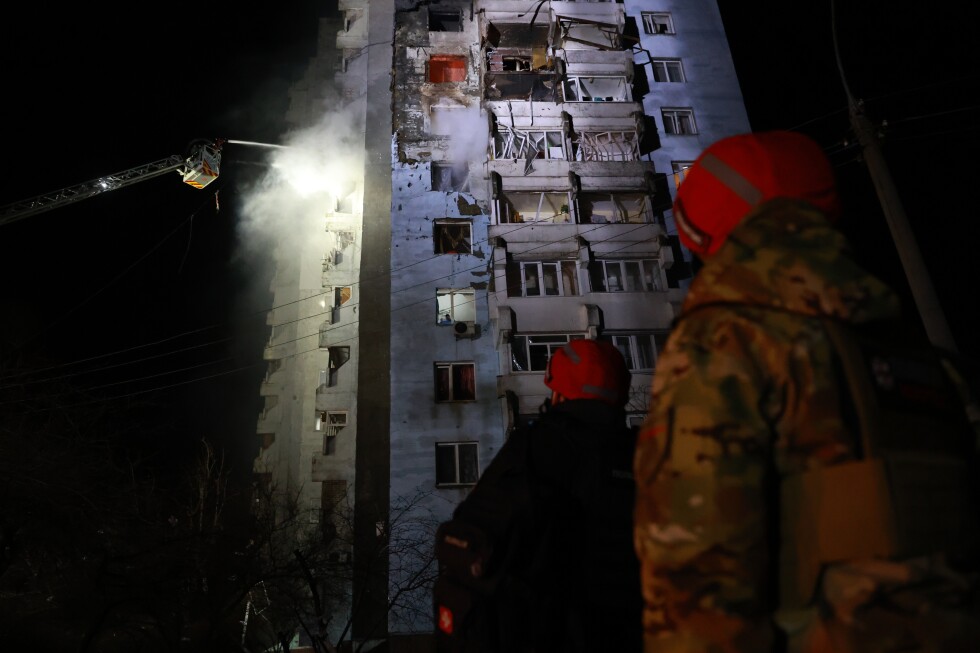
After systematically targeting Ukraine’s power infrastructure during winter, Russian forces continue indiscriminate drone and missile attacks against civilian areas. United Nations monitors report over 15,000 Ukrainian civilian deaths since the war began.
Ukraine has responded by developing long-range strike capabilities to hit Russian military and industrial targets up to 1,500 kilometers (900 miles) inside Russia. These operations target oil refineries, chemical facilities, ammunition storage, and logistics hubs essential to Moscow’s war effort.
Diplomatic initiatives have stalled as the White House focuses on Iran. Months of U.S.-mediated discussions between Moscow and Kyiv representatives have failed to resolve fundamental issues regarding territorial control and security guarantees. Russia has rejected Ukraine’s ceasefire proposal, while European leaders accuse Putin of deliberately prolonging negotiations while his forces attempt to seize additional Ukrainian territory.
According to Murrett, the Kremlin continues to maintain “maximalist demands” for settlement terms, and only “overwhelming” Western support for Ukraine might compel Putin to modify his position.
Fact Checker
Verify the accuracy of this article using The Disinformation Commission analysis and real-time sources.

26 Comments
Exploration results look promising, but permitting will be the key risk.
Good point. Watching costs and grades closely.
Good point. Watching costs and grades closely.
Production mix shifting toward World might help margins if metals stay firm.
Interesting update on Iran war deflects attention from Ukraine as new offensive begins. Curious how the grades will trend next quarter.
Uranium names keep pushing higher—supply still tight into 2026.
Good point. Watching costs and grades closely.
Good point. Watching costs and grades closely.
Interesting update on Iran war deflects attention from Ukraine as new offensive begins. Curious how the grades will trend next quarter.
Good point. Watching costs and grades closely.
Good point. Watching costs and grades closely.
Interesting update on Iran war deflects attention from Ukraine as new offensive begins. Curious how the grades will trend next quarter.
If AISC keeps dropping, this becomes investable for me.
Good point. Watching costs and grades closely.
Good point. Watching costs and grades closely.
Nice to see insider buying—usually a good signal in this space.
Silver leverage is strong here; beta cuts both ways though.
Good point. Watching costs and grades closely.
I like the balance sheet here—less leverage than peers.
Nice to see insider buying—usually a good signal in this space.
Silver leverage is strong here; beta cuts both ways though.
Good point. Watching costs and grades closely.
The cost guidance is better than expected. If they deliver, the stock could rerate.
If AISC keeps dropping, this becomes investable for me.
Interesting update on Iran war deflects attention from Ukraine as new offensive begins. Curious how the grades will trend next quarter.
Good point. Watching costs and grades closely.