


Listen to the article
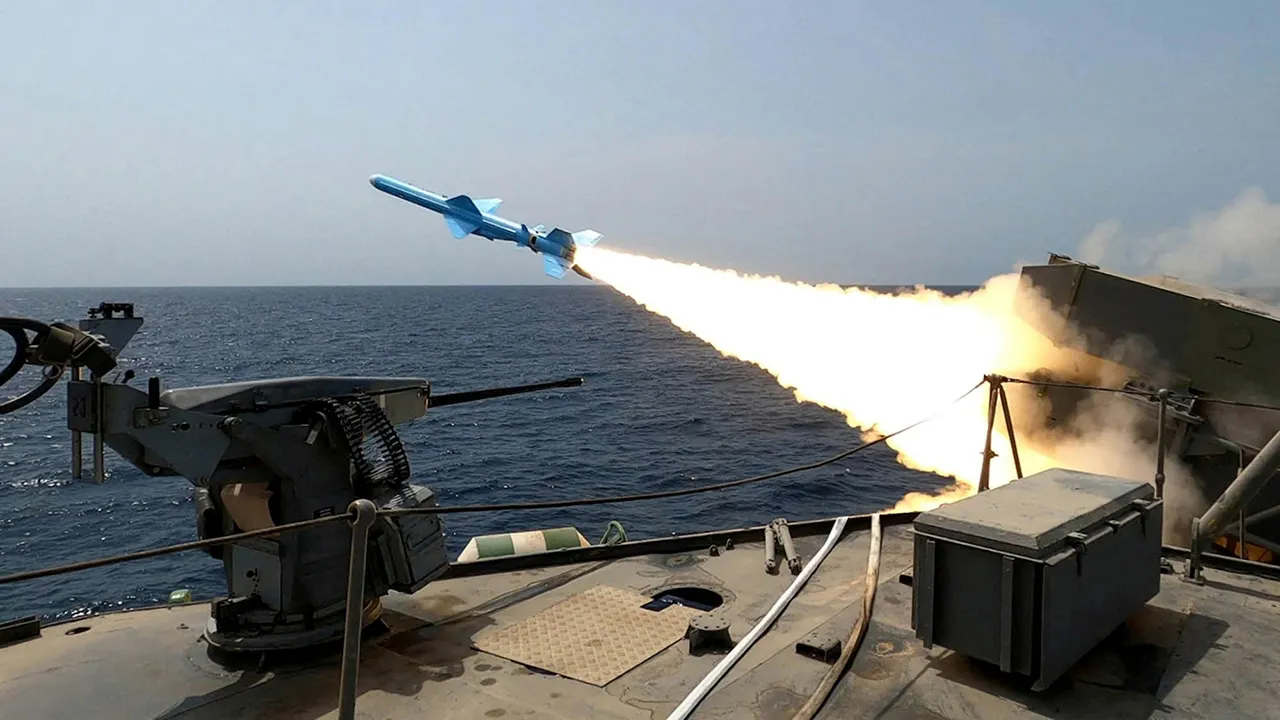
Iran conducted an extensive military exercise in the Persian Gulf on Friday, launching a barrage of ballistic and cruise missiles at simulated targets in a show of force aimed at potential adversaries. The drills, carried out by Iran’s Revolutionary Guards Navy, began Thursday in the strategic Strait of Hormuz and Gulf of Oman region.
According to Iranian state media, the exercise featured a massive deployment of Qadr 110, Qadr 380, and Qadr 360 cruise missiles, alongside several ballistic missiles, all directed at targets in the Gulf of Oman. State television broadcast footage showing the missiles being launched and subsequently hitting their designated targets.
Iranian officials described the exercises as demonstrating the “unwavering spirit and resistance” of Iran’s naval forces in confronting external threats. This marks the second major naval drill conducted by Iran since the brief but intense Israel-Iran war in June, which resulted in nearly 1,100 casualties in Iran, including military commanders and nuclear scientists. Iran’s retaliatory missile strikes killed 28 people in Israel during that conflict.
The timing of these exercises is significant, coming amid heightened tensions in the Middle East. Since the conclusion of direct hostilities with Israel, Iran has repeatedly emphasized its readiness to counter any future Israeli military action. The country’s first post-war naval exercise was conducted in August, establishing a pattern of increased military demonstrations.
The Persian Gulf region holds enormous strategic importance in global geopolitics and energy security. The Strait of Hormuz, where the exercises took place, serves as a critical maritime chokepoint through which approximately 20% of the world’s oil supply passes. Iran has long threatened to close this vital waterway during times of conflict, a move that would severely disrupt global energy markets and potentially trigger an international crisis.
Operational control of Iran’s maritime forces in the region is divided between two military entities. The Revolutionary Guard, a paramilitary organization directly loyal to Iran’s supreme leader, primarily oversees operations in the Persian Gulf and the Strait of Hormuz. Meanwhile, Iran’s conventional navy manages activities in the Sea of Oman and beyond into international waters.
The United States maintains a significant naval presence in the region through its Bahrain-based 5th Fleet, which regularly conducts freedom of navigation operations to ensure these crucial waterways remain open for international shipping. This American presence has often created tensions with Iranian forces in the narrow confines of the Persian Gulf.
These military exercises come at a time when Iran continues to strengthen its regional influence despite international sanctions. Recent reports indicate that Iran has managed to smuggle approximately $1 billion to its ally Hezbollah this year alone, demonstrating its commitment to supporting proxy forces throughout the Middle East despite economic pressures.
The missile tests also align with Iran’s broader claims about its growing military capabilities. Iranian officials have recently asserted that their missile arsenal “far surpasses” pre-war levels, suggesting that Israeli strikes on their military facilities failed to significantly degrade their capabilities. These statements, coupled with visible demonstrations like Friday’s exercises, appear designed to project strength to both regional rivals and Western powers.
Military analysts note that while Iran’s naval forces cannot directly match the technological superiority of Western navies, their asymmetric warfare capabilities, including missile systems and fast attack craft, present a serious challenge in the confined waters of the Persian Gulf. The country’s strategy relies heavily on the threat of disrupting vital shipping lanes as a deterrent against potential military action by adversaries.
As regional tensions persist, these military exercises serve as a reminder of Iran’s strategic position and its determination to maintain influence over critical maritime routes in the Middle East.
Fact Checker
Verify the accuracy of this article using The Disinformation Commission analysis and real-time sources.

12 Comments
Iran’s ‘unwavering spirit and resistance’ rhetoric suggests these drills are more about posturing than anything else. Still, the potential for miscalculation and escalation is worrying given the history of conflict in the region.
Absolutely. Even if these are just intended as a show of force, the risk of an accidental conflict flaring up in the Persian Gulf remains high. Tensions are already running high in this geopolitical hotspot.
While Iran’s desire to project strength is understandable, conducting these kinds of missile drills in the Strait of Hormuz feels like a risky game of brinksmanship. Hopefully cooler heads will prevail and this doesn’t lead to any unintended escalation.
Absolutely. The Strait of Hormuz is such a strategically vital chokepoint – any missteps or miscalculations could have severe consequences for the entire region. Prudence and restraint will be critical going forward.
These missile tests by Iran are a stark reminder of the heightened tensions and potential for conflict in the Persian Gulf region. While a show of military force, the timing and location of the drills seem designed to send a pointed message to Iran’s adversaries.
You’re right, Iran is clearly trying to assert its regional dominance through these exercises. The question is whether this will have the intended deterrent effect or if it could inadvertently trigger further escalation. Delicate situation all around.
The use of cruise and ballistic missiles is concerning, especially with the targets being in the strategic Strait of Hormuz. This region is already a tinderbox – hope these exercises don’t further inflame regional tensions.
I agree, the missile tests in the Strait of Hormuz raise the stakes significantly. Iran seems intent on asserting its military dominance in this volatile area.
The scale of Iran’s missile deployments, including both cruise and ballistic varieties, is quite impressive from a technical standpoint. But the political messaging behind these exercises is equally, if not more, significant.
Agreed. Iran seems intent on demonstrating its military capabilities as a deterrent, but the risk is that this could further inflame regional tensions and the potential for miscalculation.
Interesting to see Iran flexing its military muscle with these missile tests. Curious if this is in response to regional tensions or just a show of force. Either way, the timing seems significant given the recent Israel-Iran conflict.
Yes, the timing does seem quite strategic. Iran likely wants to demonstrate its advanced missile capabilities as a deterrent to potential adversaries in the region.