


Listen to the article
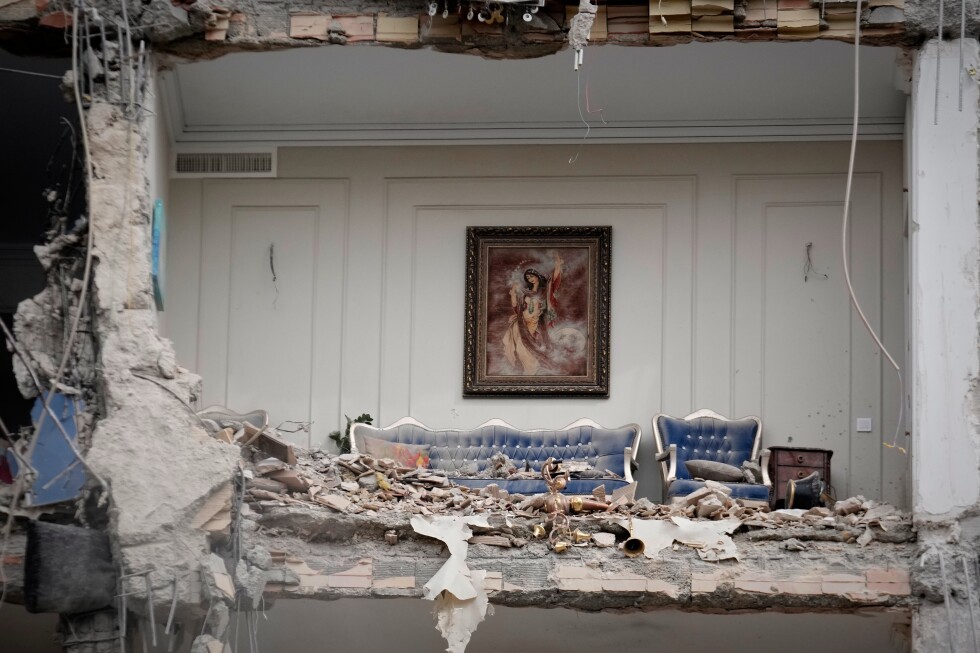
Iranians across the nation are grappling with the devastating impact of a month-long military campaign as U.S. and Israeli forces continue to strike targets throughout the country. The conflict has upended lives already strained by economic collapse and the violent suppression of nationwide protests earlier this year.
“I think we’ve experienced everything bad possible,” said a 26-year-old designer in Tehran, “from the terrible atmosphere of January and the killings and arrests to the war.”
The conflict, which began on February 28, has brought daily explosions that shake homes and damage property across Tehran and other cities. These strikes come just weeks after Iranian security forces violently suppressed what observers called the largest anti-government demonstrations in decades, reportedly killing thousands and detaining tens of thousands more.
An unprecedented internet blackout imposed since January has further isolated Iranians, cutting them off from the outside world and complicating communications within the country. This digital darkness has crippled businesses dependent on online sales and accessibility.
The Associated Press interviewed ten Iranians from various regions, most speaking anonymously due to security concerns. Their accounts paint a picture of a population dealing with compounding traumas – political repression, economic collapse, and now war.
The fashion designer interviewed runs a leather goods factory that is now on the verge of closure. “When the economy gets bad, nonessential goods are the first thing to be removed from the shopping cart,” she explained. The internet restrictions have reduced “the small sales to zero.”
When the bombing began, she relocated to her parents’ house. Days later, a nearby strike damaged her apartment. Like most Iranians, she lacks home insurance and must fund repairs herself. Her movements are now limited to essential errands only.
In Tehran, residents try to identify patterns in the airstrikes to determine when it might be safer to venture outside. An engineer described climbing onto his roof with guests after a nearby explosion, trying unsuccessfully to locate where it had hit. He noted that the strikes may be becoming less frequent, or perhaps “our perception of it has changed” as residents grow accustomed to bombings.
The conflict has severely disrupted employment. While government employees continue receiving salaries, private businesses are struggling to pay workers as they close temporarily or reduce operating hours. This economic strain compounds an already dire situation caused by the collapse of Iran’s currency, which had initially triggered the widespread protests in late 2022.
Many Iranians have fled to the country’s northern regions, which have been relatively spared from attacks. Rasht, a major northern city, has seen its population swell with internal refugees, straining local resources. A pediatric doctor there reported that patient numbers have nearly doubled while medicine supplies are dwindling. Basic supplies like antibiotics and IV fluids must now be purchased independently by patients.
The internet blackout has also affected medical care, limiting doctors’ access to patient histories and preventing them from checking correct medication dosages online. The same doctor had been documenting casualties from the January crackdown but was forced to abandon this effort due to the digital restrictions.
Throughout this crisis, Iranian authorities have organized pro-government rallies to demonstrate public support. The Basij paramilitary force, known for internal security operations, has increased street patrols despite being targeted in airstrikes.
Iranians express complex feelings about the conflict. The engineer interviewed condemned decades of misrule by the government but said that doesn’t justify the U.S.-Israeli attacks. Despite his anger over the destruction, he remains determined to rebuild: “I’m going to be stronger after this war. I will be damaged, just like my country. But that’s it. This is life. We’re going to make it better.”
Some fear the war will leave Iran with an even more oppressive government. A woman in her 40s said she feared negotiations more than continued conflict: “This is what our situation has come to — we are willing to endure war in the hope of being freed from them.”
The doctor in Rasht described the war as “the last remaining option” for removing the ruling clerics but worries about how the conflict is being conducted. He fears a potential U.S. deal with the current regime would only strengthen it, creating “the Islamic Republic on steroids.”
A lawyer from southwestern Iran who previously represented political detainees and women’s rights defenders – and who had herself been imprisoned – initially spoke hopefully about collective action and self-determination. But after a month of bombings, her outlook had darkened considerably.
“There is no sign of hope, no dreams, no joy,” she said. “Worry about the future has taken over.”
Fact Checker
Verify the accuracy of this article using The Disinformation Commission analysis and real-time sources.

13 Comments
The crippling internet blackout and violent crackdowns on protests are especially worrying, as they cut Iranians off from the outside world and their ability to communicate. I hope the world leaders can come together to broker a ceasefire and find a diplomatic resolution.
The impact on Iranian businesses and livelihoods is heartbreaking. Businesses relying on online sales and communication have been devastated by the internet shutdown. I hope the international community can find ways to support the Iranian people through this difficult time.
This is a complex and troubling situation. The crippling internet blackout and violent crackdowns on protests are especially worrying, as they cut Iranians off from the outside world and their ability to communicate. A diplomatic solution seems crucial to address the root issues.
This is a complex and multifaceted crisis. The impact on Iranian businesses, livelihoods, and basic rights is devastating. I hope the world leaders can come together to broker a ceasefire and find a diplomatic solution that addresses the root causes of this conflict.
As an investor in mining and energy equities, I’m closely watching how this conflict may affect global commodity markets, particularly oil, gas, and metals like copper and uranium. Volatility and supply disruptions could have significant economic ripple effects.
The ongoing violence and repression in Iran is deeply concerning. I hope the world leaders can come together to broker a ceasefire and find a diplomatic resolution that prioritizes the basic rights and wellbeing of all Iranians. This conflict has already caused immense suffering.
I agree, a diplomatic solution is crucial. The economic toll on the Iranian people is heartbreaking, and the crackdown on protests is deeply troubling. Let’s hope the international community can find ways to support the Iranian people during this difficult time.
As an investor, I’m monitoring this situation closely. Geopolitical instability in the Middle East often leads to volatility in global commodity markets. This could have significant implications for mining and energy companies, as well as consumers worldwide.
This is a complex and troubling situation. The impact on Iranian businesses and livelihoods is devastating, and the ongoing violence and repression is deeply concerning. I hope the international community can find a diplomatic solution that prioritizes the wellbeing of the Iranian people.
The ongoing violence and repression in Iran is deeply troubling. I hope the international community can find ways to support the Iranian people during this difficult time, and work towards a diplomatic resolution that prioritizes human rights and the wellbeing of all Iranians.
As an investor in mining and energy equities, I’m closely watching how this conflict may affect global commodity markets, particularly oil, gas, and metals like copper and uranium. Volatility and supply disruptions could have significant economic ripple effects worldwide.
Absolutely, this situation bears close monitoring from an investment perspective. Geopolitical instability in the Middle East often leads to volatility in commodity markets, which can significantly impact mining and energy companies. Diversification and careful risk management will be key for investors.
Deeply concerning to see the turmoil unfolding in Iran. The people there are already facing immense economic hardship, and now this devastating military conflict. Hoping for a peaceful resolution that prioritizes the wellbeing of all Iranians.