


Listen to the article
Desperate residents resort to looting as Indonesia and Sri Lanka struggle with catastrophic flooding that has claimed over 600 lives across both nations, authorities reported Sunday.
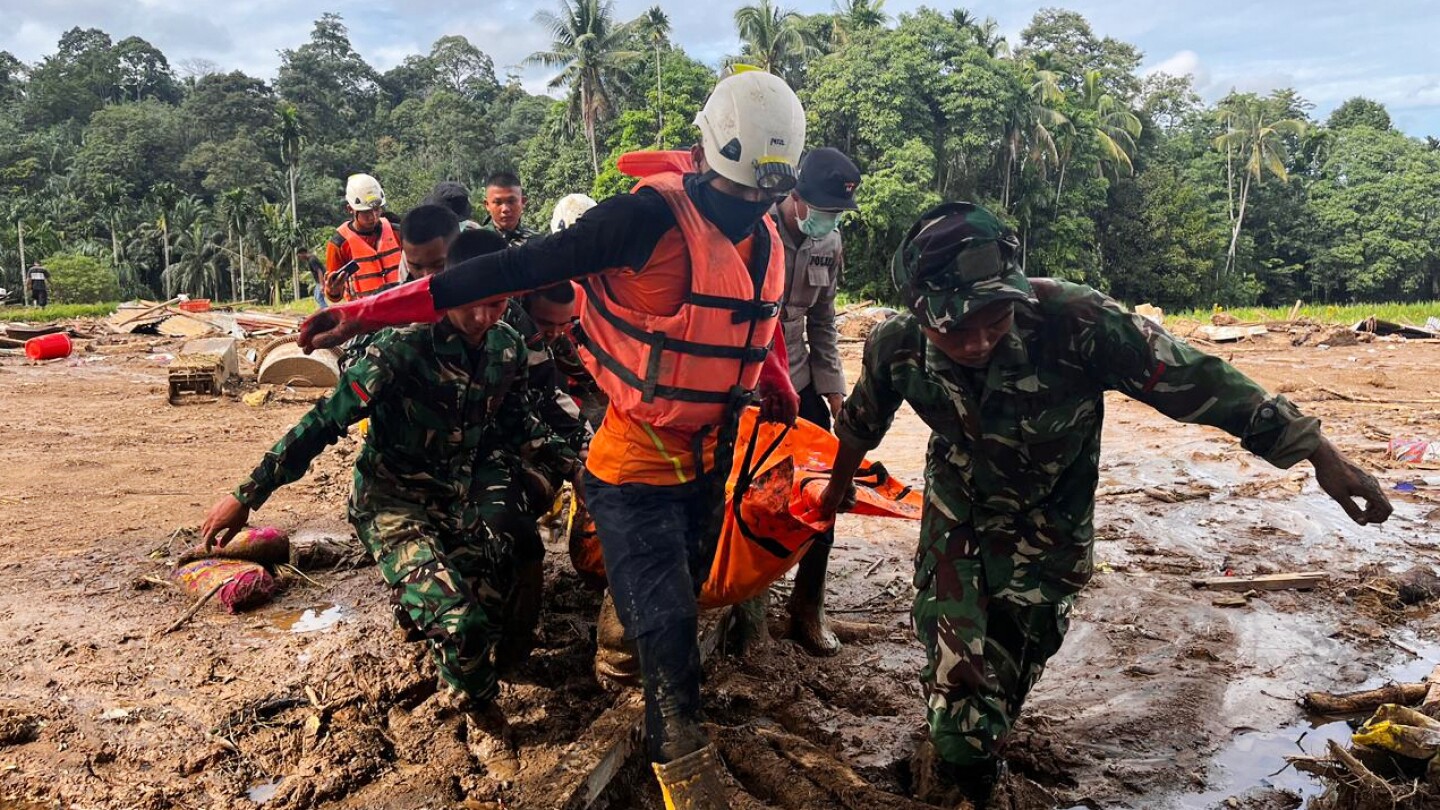
In Indonesia, where floods have ravaged the island of Sumatra for nearly a week, the death toll has reached 442 people, with officials warning this number is likely to rise as recovery efforts continue. The disaster has displaced more than 290,700 people and damaged nearly 3,000 homes, with 827 completely destroyed or swept away by raging floodwaters.
“The looting happened before logistical aid arrived,” said police spokesperson Ferry Walintukan. “Residents didn’t know that aid would come and were worried they would starve.” Police have deployed regional forces to restore order after receiving reports of people breaking into shops Saturday evening.
Social media videos show desperate residents wading through waist-deep floodwaters, scrambling past crumbling barriers and broken glass to obtain food, medicine, and fuel from damaged stores. The situation highlights the severity of the humanitarian crisis unfolding in the region.
The floods have triggered devastating landslides, severely damaged infrastructure, and cut off entire communities across three Indonesian provinces: North Sumatra, West Sumatra, and Aceh. Communication lines are down in many areas, forcing relief operations to rely on Starlink satellite internet services. An additional 402 people remain missing across these provinces, according to the National Disaster Management Agency.
Aid delivery to the hardest-hit areas, including the city of Sibolga and Central Tapanuli district in North Sumatra, has been significantly hampered by challenging weather conditions and a shortage of heavy equipment. Rescue efforts have been particularly difficult in remote areas where road access has been severed.
In response to the crisis, the Indonesian government has deployed eleven helicopters from Jakarta to distribute supplies, especially to isolated communities. Cabinet Secretary Teddy Indra Wijaya noted on Sunday that “unpredictable weather often hampers aid operations,” despite these efforts. Military footage shows helicopters airdropping critical supplies to survivors, who wave frantically from below. Four navy ships have also docked at local ports to support distribution efforts.
Meanwhile, in Sri Lanka, the situation continues to deteriorate, with authorities reporting that the death toll from floods and mudslides has risen to 193, with 228 people still missing. Nearly 148,000 Sri Lankans have been forced from their homes and are currently housed in temporary shelters.
The island nation has endured severe weather since last week, but conditions worsened dramatically on Thursday when heavy downpours flooded homes, agricultural fields, and roads. The deluge triggered catastrophic landslides, primarily affecting the country’s tea-growing central hill region, which is crucial to Sri Lanka’s agricultural economy.
Both nations are now facing significant humanitarian and logistical challenges as they work to provide emergency relief while beginning the long process of recovery and rebuilding. The scale of displacement represents one of the region’s most severe climate-related disasters in recent years.
In a gesture of support, satellite internet service Starlink announced Saturday on social media platform X that it would provide free service through December for those affected by floods in both Indonesia and Sri Lanka. This service has become critical for coordinating relief efforts in areas where traditional communication infrastructure has been destroyed.
The twin disasters highlight the increasing vulnerability of South and Southeast Asian nations to extreme weather events, which climate scientists have warned are becoming more frequent and intense due to climate change and environmental degradation.
Fact Checker
Verify the accuracy of this article using The Disinformation Commission analysis and real-time sources.

10 Comments
This is a tragic reminder of the devastating impact of extreme weather events driven by climate change. My condolences to all those affected by these floods. I hope the relief efforts can swiftly reach the hardest hit areas.
Yes, the role of climate change in intensifying natural disasters like these is becoming increasingly clear. Investing in climate resilience and disaster preparedness will be crucial going forward.
The images of desperate residents having to loot for basic necessities are heartbreaking. This disaster highlights the importance of investing in disaster preparedness and building community resilience. My thoughts are with all those affected.
Well said. Improving early warning systems, infrastructure, and emergency response capabilities will be key to mitigating the impacts of these extreme weather events in the future.
The desperation of the residents resorting to looting is heartbreaking. I hope the authorities can quickly stabilize the situation and ensure everyone has access to the food, water and medical care they desperately need.
Absolutely, restoring order and delivering humanitarian aid must be the top priority right now. The scale of the destruction is staggering and the people are clearly suffering tremendously.
My heart goes out to the victims of these devastating floods in Indonesia and Sri Lanka. It’s heartbreaking to see people reduced to looting for basic necessities like food and water. The scale of this disaster is truly staggering.
I agree, the situation is extremely dire. The loss of life and destruction of homes and infrastructure is just devastating. The authorities must act quickly to deliver urgent aid and restore order.
This is a stark reminder of the vulnerability of communities to extreme weather events. I hope the international community can rally to provide the necessary resources and support to help these nations recover and rebuild in the aftermath.
Agreed. Providing emergency relief and long-term recovery assistance will be crucial. Strengthening disaster risk reduction and climate adaptation measures should also be a priority going forward.