


Listen to the article
India’s government on Wednesday rescinded a controversial order that would have required smartphone manufacturers to preinstall a government-developed cybersecurity application on all new devices sold in the country.
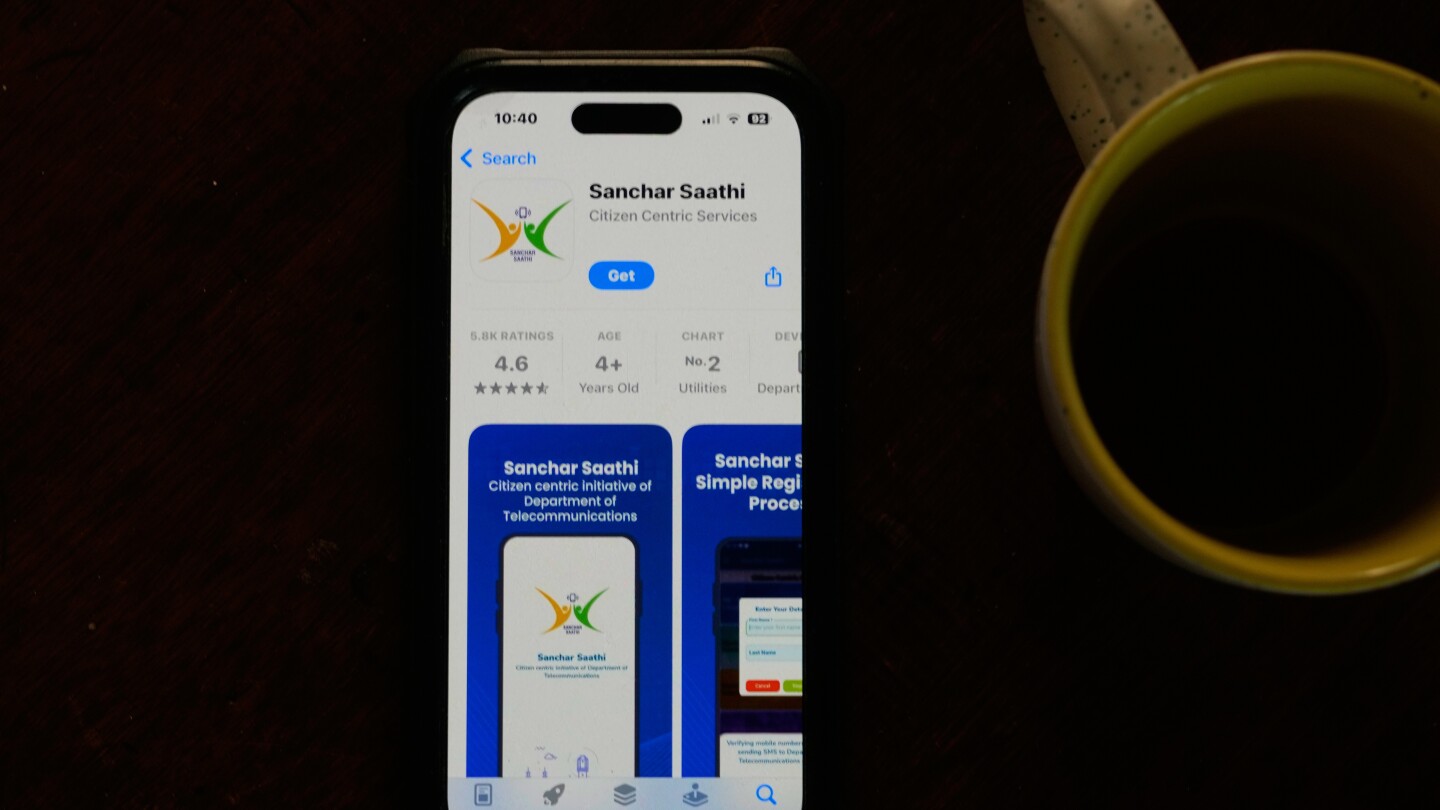
The Ministry of Communications had issued a directive on Monday requiring all smartphone makers to install the “Sanchar Saathi” app on new devices within 90 days. The original order also mandated that manufacturers push the app to older models through software updates and prevented users from deleting the application.
This decision sparked immediate backlash from privacy advocates, industry experts, and consumers in India, which represents one of the world’s largest and fastest-growing smartphone markets. Critics raised serious concerns about data privacy violations and the undermining of user consent in a country with over 700 million smartphone users.
The mandate would have created particular challenges for companies like Apple, whose policies explicitly prohibit the preinstallation of third-party applications, including government-developed ones. Industry analysts suggested the directive could have potentially disrupted the supply chain for major manufacturers and affected India’s ambitious plans to boost domestic electronics manufacturing.
In a statement announcing the reversal, the ministry claimed that 600,000 new users had registered to download the app voluntarily within the last day, which they interpreted as a sign of “increased acceptance” among Indian consumers. The ministry used this as partial justification for their decision to make the app optional rather than mandatory.
“The app is secure and purely meant to help citizens from bad actors in the cyberworld. There is no other function other than protecting the users in the app and they can remove the app whenever they want,” the ministry statement emphasized.
The reversal came after Telecom Minister Jyotiraditya M. Scindia attempted to clarify on Tuesday that the app was always intended to be voluntary, despite the explicit language in Monday’s directive that suggested otherwise.
Released in January 2023, the Sanchar Saathi app was developed as part of the Indian government’s broader cybersecurity initiative. It offers features that allow users to block and track lost or stolen phones and identify fraudulent mobile connections. According to government data, the app has garnered approximately 14 million downloads since its launch.
The controversy highlights the growing tension between government efforts to address cybersecurity concerns and the protection of individual privacy rights in the digital age. India is still working on comprehensive data protection legislation, with the Digital Personal Data Protection Act passed in 2023 yet to be fully implemented.
Technology policy experts note that this incident reflects a global trend of governments seeking greater control over digital platforms while facing resistance from both industry players and civil society. Similar controversies have emerged in other countries where governments have attempted to mandate specific applications on consumer devices.
India’s smartphone market, valued at approximately $38 billion in 2023, has seen significant growth in recent years. The country has actively courted manufacturing investments from global technology companies as part of Prime Minister Narendra Modi’s “Make in India” initiative, with several major players including Apple establishing production facilities in the country.
The government’s swift reversal of the controversial order may help alleviate concerns among technology companies about regulatory unpredictability in the Indian market, which has become an increasingly important growth center for global smartphone manufacturers seeking alternatives to China-based production and sales.
Fact Checker
Verify the accuracy of this article using The Disinformation Commission analysis and real-time sources.

11 Comments
This is an important win for consumer rights in India’s rapidly growing smartphone market. The initial directive to preinstall the Sanchar Saathi app raised serious concerns about data privacy and the erosion of user choice. I’m glad the government has recognized the need to respect individual privacy and autonomy in the digital sphere.
Agreed, this decision demonstrates a level of responsiveness and willingness to course-correct that is encouraging. Maintaining an open dialogue with stakeholders will be crucial as India continues to navigate the complexities of regulating emerging technologies.
The reversal of the mandatory Sanchar Saathi app preinstallation order is a positive development for India’s smartphone users. While cybersecurity is important, forcing the installation of government-developed apps without consent raises valid privacy concerns. This decision seems to recognize the need to balance digital security with individual rights and freedoms.
The reversal of the Sanchar Saathi app mandate is a welcome development. Smartphone users should have the freedom to choose which apps they want to install on their devices. Forcing pre-installation, even of a purported ‘cybersecurity’ tool, raises valid concerns about data privacy and government overreach.
This decision appears to be a step in the right direction for consumer rights and digital privacy in India. Preinstalling government-developed apps without user consent sets a dangerous precedent. I hope this marks the start of a broader conversation around data protection and limiting state overreach in the digital sphere.
Yes, this is an important issue that extends beyond just this specific app. Building public trust in digital services and preserving individual privacy will be crucial as smartphone adoption continues to grow in India.
Interesting move by the Indian government to roll back the mandatory pre-installation of the Sanchar Saathi app. Privacy concerns and user consent are critical issues, especially in a mobile-first market like India. I wonder what the rationale was behind the initial directive and if there are any lingering cybersecurity concerns they’re trying to address.
Agreed, the privacy implications of such a mandate are concerning. It’s good to see the government respond to the backlash and reconsider this policy. Striking the right balance between security and user autonomy will be an ongoing challenge.
This is a welcome move by the Indian government in response to the public backlash. Preinstalling apps without user consent, even if for purported security reasons, is a concerning precedent that could undermine individual privacy and autonomy. I hope this leads to a broader conversation about data protection and the appropriate role of the state in the digital sphere.
Absolutely, this issue goes beyond just this specific app. Establishing clear guidelines and frameworks for digital rights and privacy will be critical as smartphone usage continues to grow rapidly in India. Balancing security needs with user consent is a complex challenge, but an important one to get right.
It’s good to see the Indian government responding to public feedback and rolling back this directive. Preinstalling apps without user consent can set a dangerous precedent, even if the stated intention is to enhance cybersecurity. I hope this leads to a broader dialogue on balancing digital privacy with legitimate security needs.