


Listen to the article
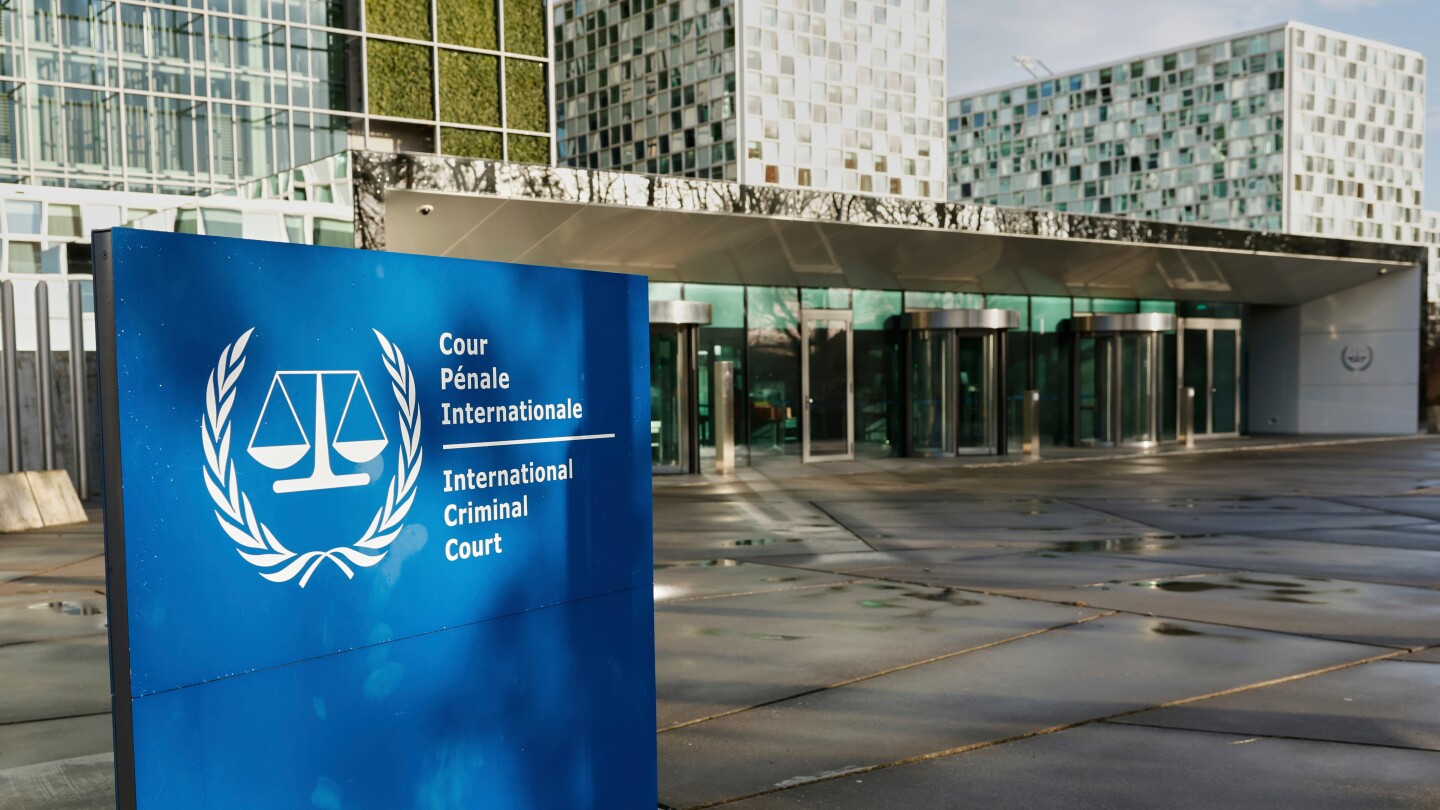
The president of the International Criminal Court declared Monday that the institution will not yield to pressure from the United States and Russia, despite escalating tensions that have included sanctions against key court officials and retaliatory actions from both global powers.
Speaking at the ICC’s annual meeting in The Hague, Netherlands, Judge Tomoko Akane delivered a resolute message to delegations from the court’s 125 member states: “We never accept any kind of pressure.”
The ICC has found itself caught in a diplomatic crossfire. Nine staff members, including six judges and the court’s chief prosecutor, have been sanctioned by U.S. President Donald Trump’s administration for investigating U.S. and Israeli officials. Meanwhile, Moscow has issued arrest warrants for ICC staff in response to the court’s arrest warrant for Russian President Vladimir Putin over alleged war crimes related to Russia’s actions in Ukraine.
These measures have significantly hampered the court’s operations across numerous investigations at a time when the institution faces increasing demands with limited resources. The current situation represents an escalation of tensions that Akane warned about in her address last year, when she cautioned about threats from the incoming Trump administration.
Just three weeks after Trump began his second term, he signed an executive order imposing sanctions on ICC Prosecutor Karim Khan over investigations involving Israel, a key U.S. ally. The court has particularly angered both the U.S. and Israel by issuing arrest warrants for Israeli Prime Minister Benjamin Netanyahu and former defense minister Yoav Gallant for alleged war crimes related to Israel’s military campaign in Gaza following the Hamas attacks of October 7, 2023.
The ICC’s weeklong meeting faces the challenging task of approving its budget against this backdrop of mounting international pressure and unfavorable media coverage. The court, established in 2002 as the world’s permanent court of last resort for prosecuting individuals accused of the gravest atrocities, operates in a complex geopolitical landscape where several powerful nations – including the United States, Israel, Russia, and China – are not members.
Adding to the ICC’s challenges is the temporary absence of Prosecutor Khan, who has stepped aside pending the outcome of an investigation into allegations of sexual misconduct, which he denies. Päivi Kaukoranta, president of the Assembly of States Parties, acknowledged frustrations regarding the prolonged investigation process. “I am well aware that states have been frustrated with the length of this process,” she noted in her opening remarks, though no completion date has been set for the investigation.
The ICC’s mandate restricts it to acting only when nations prove unable or unwilling to prosecute serious crimes on their own territory. With no police force at its disposal, the court relies entirely on member states to execute its arrest warrants – a structural limitation that becomes particularly problematic when dealing with non-member states or when facing opposition from global powers.
This standoff highlights the fundamental tension at the heart of international justice efforts: the ICC was designed to hold accountable those responsible for the most heinous crimes regardless of their political status, yet its effectiveness ultimately depends on international cooperation and support from the very nations that may find themselves under its scrutiny.
As the court navigates these challenges, its leadership’s defiant stance against political pressure underscores the institution’s commitment to its founding principles of impartial justice, even as practical difficulties mount and its operational capacity faces significant constraints from powerful global actors.
Fact Checker
Verify the accuracy of this article using The Disinformation Commission analysis and real-time sources.

13 Comments
The ICC president’s vow to stand firm is understandable, but the court’s operations appear to be significantly hampered by the sanctions and threats. Finding ways to protect its staff and investigations will be crucial going forward.
This situation underscores the delicate balance the ICC must strike between upholding its mandate and navigating geopolitical tensions. Maintaining its independence and integrity is essential, but the court will need strong international support to succeed.
Absolutely. The ICC’s ability to investigate and prosecute war crimes and crimes against humanity is vital for global justice and accountability. Member states must rally behind the court and protect its impartiality, even in the face of powerful adversaries.
It’s concerning to see the US and Russia both exerting pressure on the ICC, seemingly to avoid accountability for their own actions. The court must maintain its independence and impartiality if it is to effectively carry out its mandate.
Absolutely. The ICC’s credibility rests on its ability to investigate and prosecute war crimes and crimes against humanity without fear or favor. Succumbing to political pressure would undermine its very purpose.
This is a high-stakes situation for the ICC. Resisting pressure from the US and Russia is admirable, but the court will need strong support from its member states to weather these escalating tensions and continue its important work.
You’re right. The ICC’s ability to operate effectively and impartially is essential for global accountability. Member states must rally behind the court and protect its independence, even in the face of powerful adversaries.
The ICC’s refusal to yield to pressure from the US and Russia is commendable, but the sanctions and threats have clearly taken a toll on the court’s operations. Finding ways to safeguard its staff and investigations will be crucial going forward.
The ICC’s dilemma highlights the broader tensions between national sovereignty and international criminal justice. Balancing these competing interests is an ongoing challenge, but the court must remain steadfast in upholding the rule of law.
The ICC is in a difficult position, caught between the geopolitical interests of global powers. Maintaining independence and integrity in the face of pressure and threats is crucial for this court’s credibility and effectiveness.
Indeed, the ICC must hold firm to its principles and mandate, even when facing sanctions and retaliation from powerful nations. Its ability to investigate and prosecute war crimes is vital for global accountability.
This situation highlights the challenges the ICC faces in carrying out its mandate impartially. Resisting pressure from the US and Russia is admirable, but the court will need strong international support to weather these escalating tensions.
You’re right. The ICC will require sustained backing from its member states to withstand the political and economic coercion tactics being employed. Upholding the rule of law on the global stage is no easy task.