


Listen to the article
In a significant move for marine conservation, governments attending the Convention on International Trade in Endangered Species of Wild Fauna and Flora (CITES) in Uzbekistan have approved enhanced protections for more than 70 species of sharks and rays. The decision, finalized on Friday, comes amid growing concerns that rampant overfishing is pushing several of these species toward extinction.
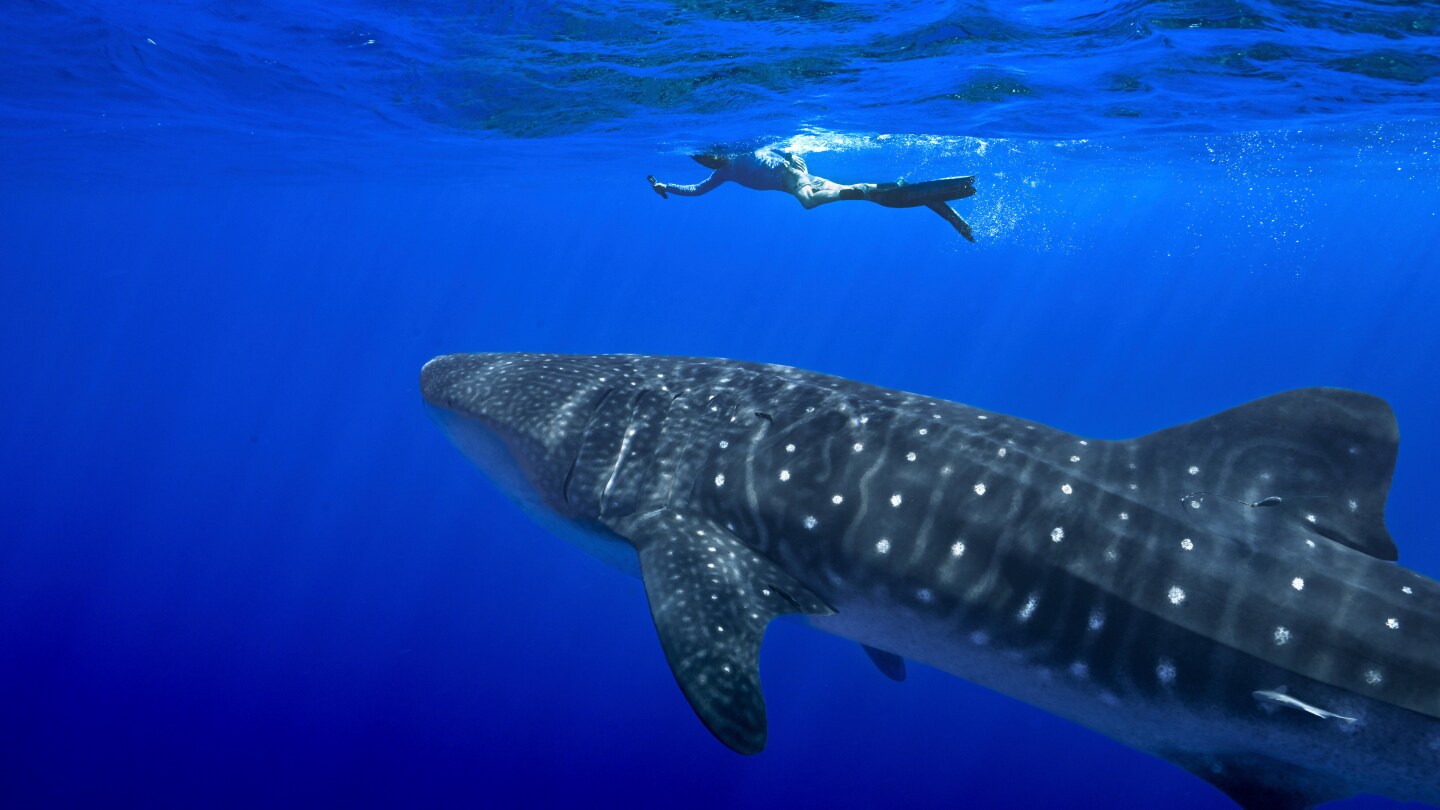
The newly adopted measures include a comprehensive ban on the trade of oceanic whitetip sharks, manta and devil rays, and whale sharks. Additionally, the conference established stricter regulations for gulper sharks, smoothhound sharks, and tope sharks, requiring proof that any traded specimens come from legal, sustainable, and traceable sources.
In a further conservation step, governments agreed to implement zero-annual export quotas for several species of guitarfishes and wedgefishes, effectively halting most legal international trade of these vulnerable marine animals.
“This is a landmark victory, and it belongs to the Parties who championed these protections,” said Luke Warwick, director of shark and ray conservation at the Wildlife Conservation Society. The proposals received broad international backing, with Warwick noting that “Countries across Latin America, Africa, the Pacific, and Asia came together in a powerful show of leadership and solidarity, passing every shark and ray proposal.”
Conservation experts have long argued that such protections are essential to address the unsustainable fishing practices targeting these species. The billion-dollar trade in shark fins, meat, oil, and gills has placed enormous pressure on shark and ray populations worldwide. Current data shows that more than 37% of shark and ray species face the threat of extinction.
Barbara Slee, senior program manager at the International Fund for Animal Welfare, highlighted the significance of these protections: “For too long, sharks that have roamed our oceans for millions of years have been slaughtered for their fins and meat. People may fear sharks, but the truth is we pose a far greater threat to them—with more than 100 million killed every year.”
The protection of sharks has emerged as one of CITES’ notable recent achievements. At the previous conference held in Panama in 2022, governments extended protections to more than 90 shark species, including 54 species of requiem sharks, the bonnethead shark, three species of hammerhead sharks, and 37 species of guitarfish—many receiving trade protection for the first time.
CITES, adopted in Washington, D.C. in 1975, has earned praise for its role in reducing illegal and unsustainable trade in ivory, rhino horns, whales, and sea turtles. However, the treaty has faced criticism for its limitations, particularly its dependence on resource-constrained developing nations to combat illegal wildlife trade—an industry that has grown into a lucrative $10 billion annual business.
This year’s conference also saw governments reject proposals to weaken existing trade regulations for elephants and rhinos, maintaining strong protections for these endangered land mammals. However, delegates did agree to relax regulations on the trade of saiga horn from Kazakhstan.
Conservation groups had expressed concerns about this particular decision, warning it could potentially increase poaching activities in neighboring Central Asian countries. Proponents of the change pointed to the International Union for Conservation of Nature’s recent reclassification of the saiga antelope from critically endangered to near threatened, resulting from increased law enforcement efforts and improved habitat protection measures. These conservation initiatives have contributed to a significant recovery in saiga antelope populations in recent years.
The new protections for sharks and rays represent a crucial step toward ensuring the survival of these ancient marine species, many of which have inhabited Earth’s oceans for millions of years before facing unprecedented human-caused threats in modern times.
Fact Checker
Verify the accuracy of this article using The Disinformation Commission analysis and real-time sources.

8 Comments
This is great news for shark conservation. Overfishing has pushed many species to the brink, so these new protections are critical to prevent extinctions. I hope governments continue to strengthen regulations and enforce them rigorously.
Agreed, the trade bans and quotas for vulnerable shark species are an important step. It’s vital that these measures are properly implemented and monitored to be effective.
Sharks play a vital role in marine ecosystems, so protecting them is crucial for ocean health. While these new CITES regulations are a positive development, I’m curious to know how well they will be enforced globally to combat illegal fishing and trafficking.
That’s a good point. Effective enforcement will be key to ensuring these protections have the intended impact. Monitoring and penalizing non-compliance will be critical.
It’s encouraging to see governments coming together to address the alarming decline of shark populations. Overfishing is a serious threat, so these trade restrictions and export quotas could make a real difference if implemented properly.
These enhanced shark protections are a welcome development, but I hope they are just the beginning. Stronger global coordination and enforcement will be needed to truly tackle the complex challenge of overfishing and prevent further declines of these vital marine predators.
As an investor in mining and commodities, I’m curious how these new shark protections might impact the supply and prices of related resources like shark fins or liver oil. While conservation is crucial, I wonder if there will be any economic ripple effects to consider.
That’s a fair point. Any disruption to the supply of shark-derived products could potentially affect related commodity markets. It will be important to monitor how these conservation measures impact the broader industry.