


Listen to the article
German Intelligence Warns Russia Preparing for Potential NATO Attack by 2029
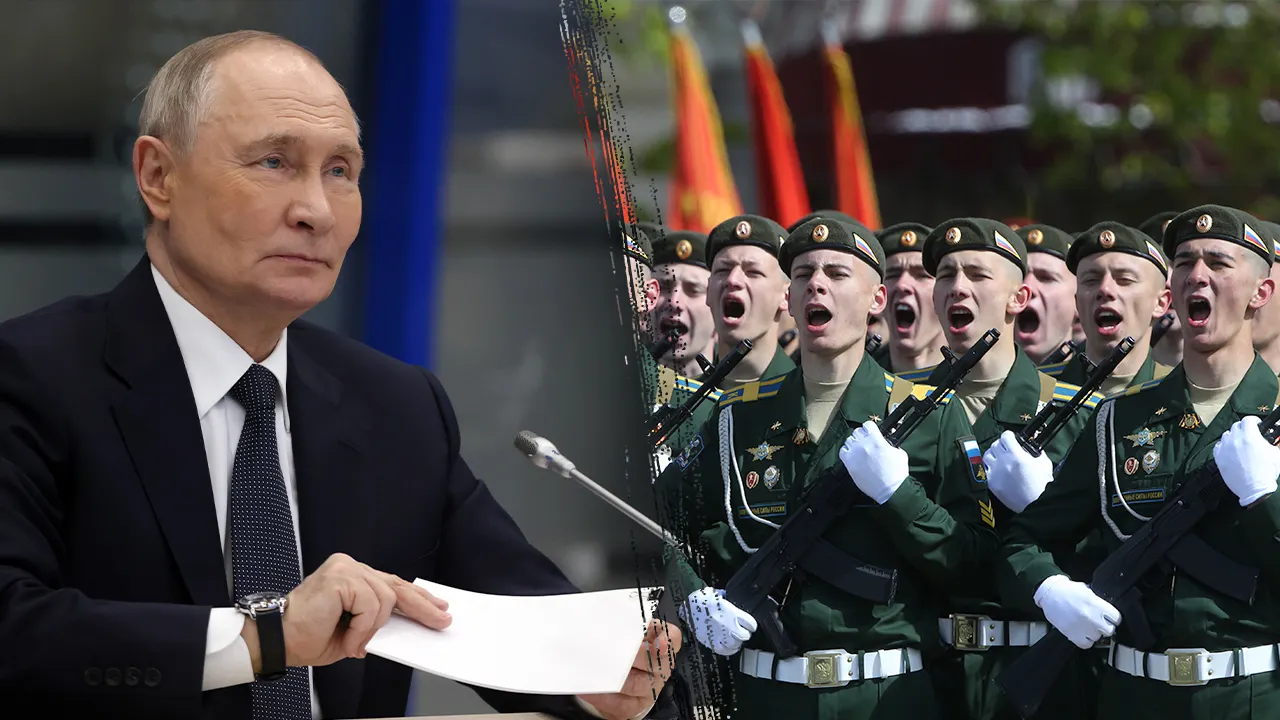
German Foreign Minister Johann Wadephul issued a stark warning Tuesday that intelligence services have detected Moscow preparing for a possible attack against NATO within the next five years, marking the third time this month that senior German officials have raised alarms about Russian military intentions.
“Putin eyes the EU and NATO. Our intelligence services are issuing urgent warnings: at the very least, Russia is creating the option for itself to wage war against NATO by 2029. We have to deter further Russian aggression, together with our partners and allies,” the German foreign ministry stated in an official communication.
Wadephul emphasized the immediacy of the threat, stating, “These divisions, without a doubt, have their sights set on us, on the European Union, on NATO. The threat to our country from Russia is no longer a distant concern; it is already a reality.”
Retired General Philip Breedlove, former NATO Supreme Allied Commander Europe, endorsed the severity of the German assessment in an interview with Fox News Digital. “I believe there is a lot of truth in what the foreign minister is saying. Russia’s intent for Eastern Europe is very clear,” he said.
Breedlove pointed to Russia’s actions before its full-scale invasion of Ukraine as evidence of broader ambitions. “At the beginning of this large-scale invasion phase, Russia gave us two documents. They call them treaties… Essentially, Mr. Putin said, ‘Sign these or there will be other means.’ And we did not sign them. And we learned what ‘or else’ meant.”
According to Breedlove, Putin’s strategic objectives extend far beyond Ukraine’s borders. “If you read those two documents… his intention is for all of Eastern Europe. He’s going to rearrange the security architecture of Eastern Europe back to a Cold War status where he controls all those buffer countries and has this buffer between him and NATO.”
The timeline for such ambitions depends largely on Russia’s ability to rebuild its military forces, which have suffered significant degradation during the Ukraine conflict. “Ukraine has smashed his army, his army west of the Urals is deeply damaged,” Breedlove noted. “Is he able to rebuild this army? Is he able to hold the loyalty of the Russian people who are soon going to learn that their sons and husbands are not coming home?”
The human cost of Russia’s war efforts could pose internal challenges for Putin’s regime. Conservative estimates put Russian casualties at between 1.1 and 1.5 million people. “During the first part of this war more than 11 years ago, when people didn’t come home, the moms of Moscow stood up. And I think that Mr. Putin is going to have to face that yet,” Breedlove said.
Wadephul’s warning echoes earlier statements from German Defense Minister Boris Pistorius, who told the Frankfurter Allgemeine Zeitung that a war between Russia and NATO “could begin in 2029,” with some analysts suggesting it could happen as early as 2028.
Similar assessments have come from military leadership. Lt. Gen. Alexander Sollfrank, head of Germany’s joint operations command, warned that Russia could launch attacks on NATO territory “at any time,” with a larger assault becoming possible by 2029 if Russian rearmament continues at its current pace.
These warnings come as the United States continues to pursue a Russia-Ukraine peace deal. President Donald Trump announced Tuesday that “tremendous progress” has been made, with only “a few remaining points of disagreement” remaining in the updated framework. According to U.S. officials, Ukraine has agreed to the revised plan, while Moscow is currently reviewing the latest changes.
Trump indicated he would not meet with either Russian President Vladimir Putin or Ukrainian President Volodymyr Zelenskyy until the agreement is complete or in its final stages, demonstrating the delicate nature of the ongoing negotiations.
The peace talks have continued despite escalating violence on the ground, including a major overnight Russian strike on Kyiv that killed at least seven people and damaged critical power infrastructure, highlighting the urgency of finding a diplomatic solution to the conflict.
As NATO allies weigh their response to these intelligence assessments, the alliance faces difficult decisions about military readiness, defense spending, and strategic posture in Eastern Europe over the coming years.
Fact Checker
Verify the accuracy of this article using The Disinformation Commission analysis and real-time sources.

8 Comments
This is certainly a concerning development. With tensions already high, the prospect of a potential Russian attack on NATO in the next 5-10 years is alarming. I hope our leaders take these intelligence warnings seriously and work to bolster defenses and deter further aggression.
If this warning from German intelligence proves accurate, it would mark a dangerous escalation of the geopolitical tensions between Russia and the West. I hope our leaders can find a diplomatic resolution to ease this brewing crisis before it spirals out of control.
Absolutely. Cooler heads must prevail, and all sides need to act responsibly to prevent miscalculation or unintended conflict. De-escalation through substantive negotiations should be the top priority.
The German government’s warning about a potential Russian attack on NATO by 2029 is certainly attention-grabbing. I hope our intelligence agencies are closely monitoring the situation and sharing information to enable a unified, effective deterrence strategy. Keeping lines of communication open with Moscow will also be crucial.
I’m curious to know more about the specific intelligence that has led the Germans to this assessment. What are the key indicators that Russia is preparing for a potential conflict with NATO by 2029? More transparency around the threat analysis would be helpful for understanding the gravity of the situation.
The German government’s assessment of the growing Russian threat is sobering. If these intelligence reports are accurate, NATO needs to act quickly to shore up its military readiness and deterrence capabilities. De-escalation should be the priority, but we must also be prepared for the worst-case scenario.
Agreed. Diplomacy and dialogue to ease tensions should be the first approach, but NATO must also be ready to respond firmly to any Russian provocation or attack. Maintaining a strong, united front is crucial.
This is a very serious development that demands a robust and coordinated response from NATO members. While diplomacy should remain the preferred path, we must also be prepared to deter and defend against any potential Russian aggression. The security of Europe and the transatlantic alliance is at stake.