


Listen to the article
Palestinian Militia Leader Claims Ceasefire Giving Hamas “Kiss of Life” in Gaza
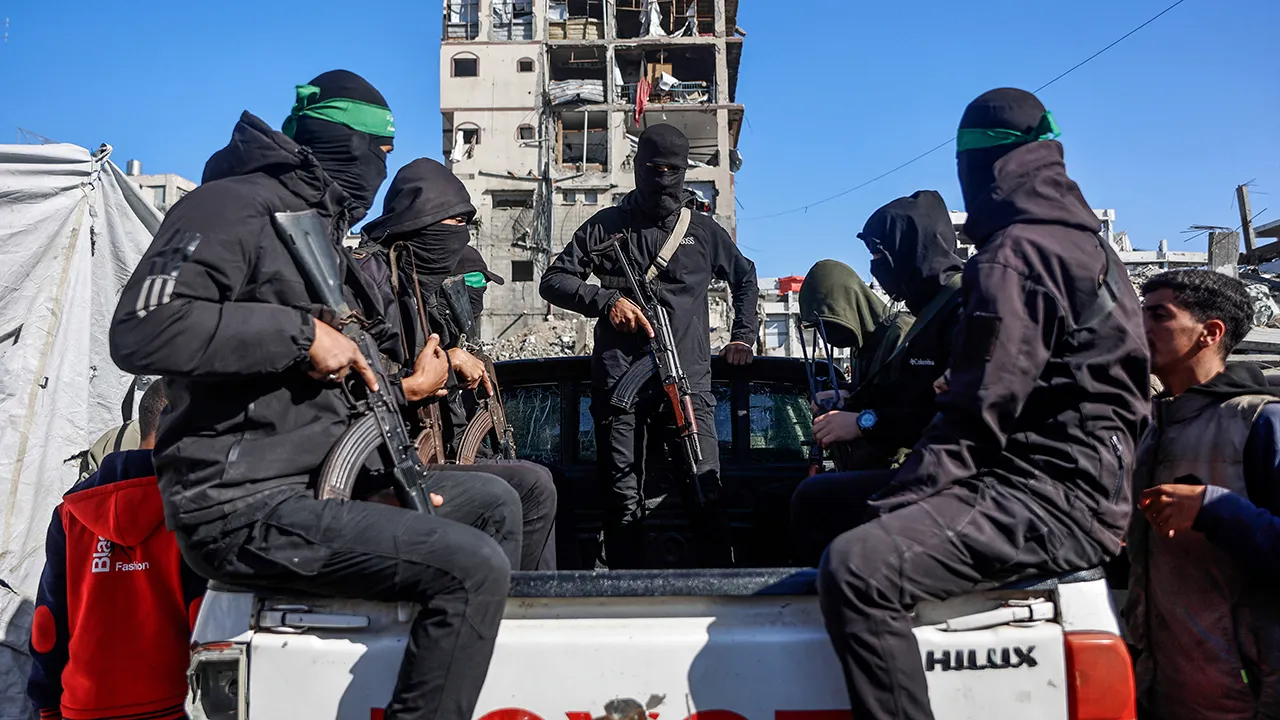
As Hamas works to regroup and reassert control across parts of Gaza during the ceasefire, emerging Palestinian militias are attempting to form an alternative force inside the enclave. One of their leaders warns that the pause in fighting has become a lifeline for the terrorist organization.
“Hamas works for Iran,” Shawqi Abu Nasira told Fox News Digital in an exclusive interview. “They got weakened, yes, true, but the ceasefire, they gave them a kiss of life, and they are now preparing themselves better, trying to equip themselves. They are opening their own centers.”
Abu Nasira, a former senior Palestinian Authority police official who spent 16 years in an Israeli prison, now operates with a small band of fighters on the eastern side of Gaza’s “yellow line,” in territory under Israeli military control. “I moved to the east of a yellow line, to the area that is now controlled by the Israeli Army. I was forced to move because I had no other option but to flee Hamas,” he explained.
According to Jusoor News, a pan-Arab media outlet, Abu Nasira’s defection began years ago when Hamas killed his only son and “dragged his body through the Strip.” This tragic event reportedly solidified his decision to oppose the organization that has ruled Gaza since 2007.
While acknowledging his faction remains small with “dozens of fighters,” Abu Nasira claimed many Gazans share his anti-Hamas sentiment. “People that are now living in tents, people that are starved, people that are living in the street. They have no medication. These people don’t want Hamas.”
The ceasefire has revealed a fragmented landscape of competing militias and local armed groups that have emerged as Hamas’s grip weakened. These include the Popular Forces in Rafah, the Popular Army in northern Gaza, the Counter-Terrorism Strike Force in Khan Yunis, and the Shujaiya Popular Defense Forces in eastern Gaza City, alongside powerful clan-based networks such as the al-Majayda and Doghmosh families.
These groups have fluid alliances and varying structures, but all have either appeared or strengthened during the breakdown of centralized rule following Israel’s military response to the October 7 attacks.
“They are our brothers and sisters,” Abu Nasira said of these disparate factions. “All of these people, they are holding arms and fighting Hamas for a reason, because they were the first witness to Hamas terrorism and they are victims of Hamas.”
He claimed early efforts are underway to unite these groups. “We are coordinating all of these groups together to work under one political umbrella, and they can act as a National Guard for East Gaza,” he said, arguing that Palestinians, not outside forces, should remove Hamas. “We can now, as Palestinians, attack them. We just need the support in order to win this war, and we can finish it in a few months.”
The militia leader dismissed concerns that Gazans would fear being labeled as collaborators with Israel. “Whenever you say no to Hamas, you are accused as an operator, or you will be executed,” he said. “Everybody in Gaza knows that, so that’s not going to scare us anymore.”
Abu Nasira framed the struggle against Hamas as part of a broader international security concern. “Fighting terror is a campaign that we all should fight against. It can spread from Gaza to all over the world,” he warned, describing Hamas as part of a transnational network. “As long as the triangle of Hamas, the Muslim Brotherhood and the Islamic Republic in Iran are working all together, that is a threat to the entire human, civilized world.”
He also expressed skepticism about the so-called “Disneyland strategy” — a concept that envisions building functioning civilian zones east of the yellow line to create pressure against Hamas over time. “This is a good, nice talk, but this is a long term,” he said. “We don’t need to give them the time to get strong.”
Security analysts note that while these anti-Hamas factions represent a potential counterforce, their limited numbers, fractured nature, and lack of unified leadership present significant obstacles to effectively challenging Hamas’s authority across Gaza. The terrorist group has demonstrated resilience and continues to maintain control of key territories despite military setbacks.
As Hamas attempts to reconsolidate power under the ceasefire, Abu Nasira insists Palestinians “are ready” and “want to fight for our future,” maintaining that with international support, a unified alternative to Hamas can still emerge from Gaza’s complex political landscape.
Fact Checker
Verify the accuracy of this article using The Disinformation Commission analysis and real-time sources.

8 Comments
This is a concerning development that underscores the ongoing tensions and power struggles within Gaza. The claims made by the militia leader, if accurate, suggest that Hamas is using the ceasefire to bolster its capabilities, which could jeopardize any potential for long-term stability in the region.
This is a complex and rapidly evolving situation. While the ceasefire may have provided Hamas a temporary respite, the emergence of this rival militia suggests the underlying tensions in Gaza have not been resolved. It will be crucial for all parties to exercise restraint and prioritize a peaceful, negotiated solution.
The claims made by this militia leader are quite alarming, if true. The suggestion that Hamas is using the ceasefire to bolster its capabilities is deeply concerning, as it could jeopardize the fragile peace. Establishing an alternative force to counter Hamas’s influence will likely further destabilize the region.
I agree, the potential for renewed violence and unrest during this ceasefire period is worrying. The balance of power in Gaza remains precarious, and the actions of these rival groups could easily upset the fragile status quo. Close monitoring and diplomacy will be essential to prevent a resurgence of hostilities.
The claims made by this militia leader raise serious concerns about the potential for renewed violence and instability in Gaza. The idea that Hamas is using the ceasefire to regroup and rearm is deeply troubling, and the establishment of a rival force adds further complications to an already volatile situation.
You’re absolutely right. The fragility of the current ceasefire is clearly on display, and the actions of these competing groups could easily unravel any progress made. Maintaining open lines of communication and exploring diplomatic avenues for a lasting solution will be critical in the weeks and months ahead.
This is certainly a concerning development in the ongoing tensions in Gaza. It seems the ceasefire has provided Hamas an opportunity to regroup and strengthen their position, despite the setbacks they faced. The emergence of rival militias adds further complexity to an already volatile situation.
You raise a fair point. The ceasefire appears to have given Hamas breathing room to rearm and reorganize, which could undermine any potential progress made during the conflict. Monitoring the activities of these rival groups will be crucial in the weeks ahead.