


Listen to the article
China’s Technology Theft Concerns Complicate Saudi F-35 Deal
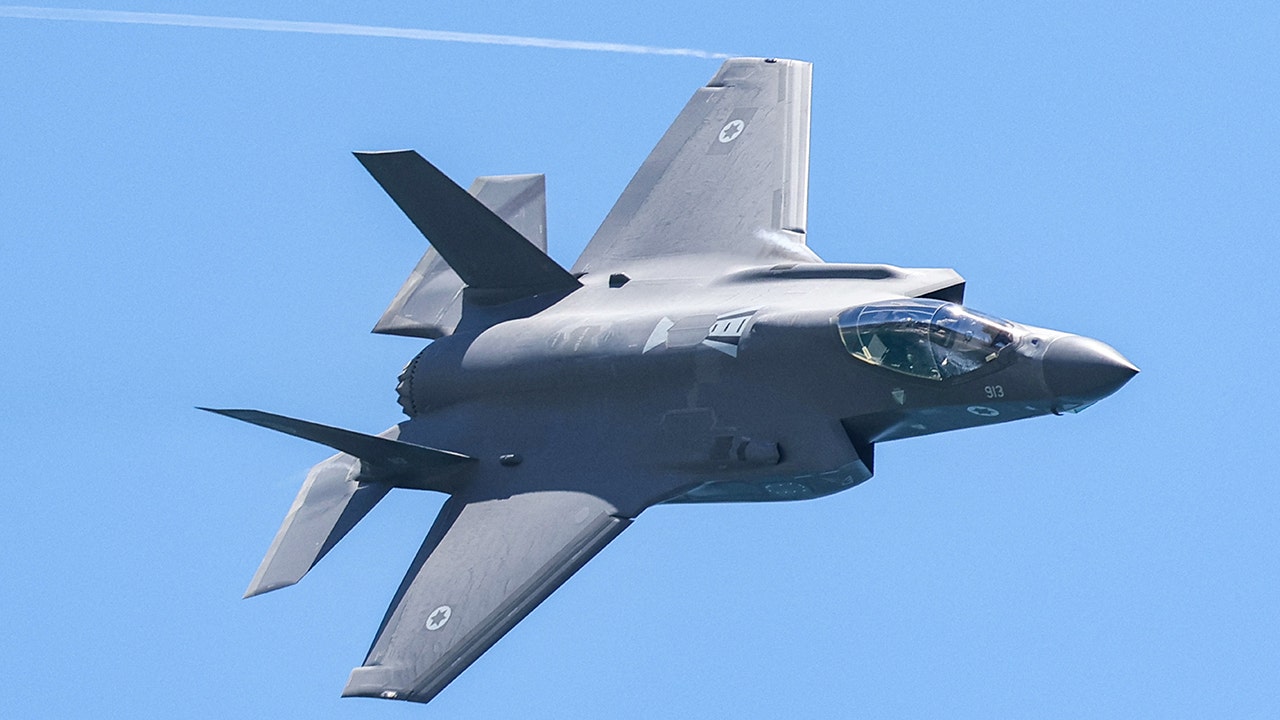
China’s aggressive campaign to steal American military technology has emerged as a pivotal concern in discussions over whether the United States should sell F-35 fighter jets to Saudi Arabia, according to military experts and former senior commanders.
Retired General Charles Wald, former U.S. Air Force officer and deputy commander of EUCOM, pointed out that the United States has already denied F-35 sales to both Turkey and the United Arab Emirates due to concerns about Chinese technology exploitation.
“We told Turkey they’re not going to get the F-35. We told the UAE they’re not going to get it because there’s concern that there could be a transfer of technology to China,” Wald explained during a briefing at JINSA this week. “That would probably be the biggest issue with Saudi Arabia getting the F-35… not because they would give it to the Chinese. Because the Chinese could exploit through intel, getting capability off that.”
China expert Gordon Chang offered a stark assessment of Beijing’s capabilities, telling Fox News Digital, “We should assume China has everything already. They already stole the whole plane once. They probably did it again.” Nevertheless, Chang argued that Washington needs to balance these risks against the strategic advantages of strengthening relations with Riyadh.
“We need to cement the relationship with the crown prince, especially if that helps him sign off on an Abraham Accord. Let him have stripped-down F-35s,” Chang suggested, while adding that other U.S. partners may present even greater vulnerabilities: “I’m much more worried about South Korea having the plane and turning over the plans to China.”
Chinese intelligence services have long been implicated in systematic efforts to harvest American military and aerospace technology. Their targets have included stealth designs, propulsion systems, and advanced avionics. U.S. officials have previously connected Chinese cyber actors to theft operations targeting premier American defense programs, with evidence suggesting they’ve acquired components resembling those found in fifth-generation fighters.
The F-35 discussions form part of a broader negotiation with Saudi Arabia that encompasses defense assurances and potential diplomatic progress with Israel. This comes as Saudi Crown Prince Mohammed bin Salman has recently increased committed U.S. investment to nearly $1 trillion, highlighting the growing economic ties between the countries.
Retired Lieutenant General Robert Ashley, former director of the Defense Intelligence Agency, explained that while the United States implements foreign military sales monitoring protocols to reduce risk, these protections aren’t foolproof. “One of the things that we do through foreign military sales is end-use case monitoring protocol,” Ashley noted. “We watch very closely how these kinds of advanced systems are used… but they’re not absolute.”
Despite concerns about Chinese espionage, the retired commanders unanimously agreed that a Saudi F-35 acquisition would not undermine Israel’s qualitative military edge in the region. Wald emphasized that Israeli pilots, planners, and engineers maintain superior training and innovation capabilities compared to other countries in the region.
“There’s a big difference between the Israeli actual pilot capability than the other countries out there,” Wald explained. He added that Israel has integrated its own proprietary upgrades into the aircraft: “The Israelis modified their own F-35 a little bit… they created or developed additional capabilities just prior to the attack on Iran.”
Even if the sale were approved, Wald noted there would be a significant delay before delivery. “At the very least, there’s probably about a five-year window here before that would happen if they got the F-35,” he said.
Looking at broader regional security implications, the former commanders suggested that additional F-35s in the Middle East could enhance collective defenses against Iran. Retired Vice Admiral Mark Fox highlighted the aircraft’s interconnected capabilities: “The one thing about F-35 is it talks to every other F-35. Having more F-35s in the region actually increases the capability of the coalition.”
The debate illustrates the complex balancing act facing U.S. policymakers as they weigh strengthening regional alliances against protecting sensitive military technology from Chinese intelligence operations. With Saudi Arabia already America’s top arms buyer, the potential addition of F-35 fighters would represent a significant escalation in defense cooperation, but one that carries substantial technological security risks.
Fact Checker
Verify the accuracy of this article using The Disinformation Commission analysis and real-time sources.

10 Comments
The article raises some valid concerns about China’s ability to potentially gather intelligence and exploit F-35 technology, even if the Saudis themselves don’t share it directly. Preventing technology leaks to adversaries has to be a top priority.
Absolutely. The US will have to take a hard line on protecting its most advanced military tech, even if that means denying sales to important regional partners like Saudi Arabia.
The US has already denied F-35 sales to Turkey and the UAE due to concerns about Chinese exploitation. It’s understandable they would be cautious about selling the advanced fighter jets to Saudi Arabia as well, given China’s track record of technology theft.
Absolutely. Protecting critical military technology from adversaries like China has to be a top priority, even if it means denying sales to strategic partners in the region.
Interesting insights on China’s technology theft concerns impacting potential F-35 sales to Saudi Arabia. It’s a complex geopolitical issue with national security implications. I’m curious to see how this plays out between the US, Saudi Arabia, and China’s intelligence capabilities.
You raise a good point. China’s aggressive espionage efforts are a major factor that could jeopardize sensitive technology transfers, even with trusted allies like Saudi Arabia.
This is a challenging situation for US policymakers. On one hand, strengthening ties with Saudi Arabia through an F-35 deal could be geopolitically beneficial. But the risks of Chinese intelligence exploiting the technology are clearly very high based on past precedents.
Agreed. It’s a delicate balancing act between regional security cooperation and safeguarding sensitive military capabilities. The US will need to weigh all the strategic factors carefully.
This is a complex geopolitical issue with a lot of moving parts. While strengthening ties with Saudi Arabia is important, the risks of China gaining access to sensitive F-35 technology through intelligence gathering seem to outweigh the potential benefits. Tough decisions ahead for US policymakers.
Well said. Navigating this delicate balance between security and regional diplomacy will require careful strategic thinking from US leadership.