


Listen to the article
Mexican Beauty Queen’s Defiant Stand Culminates in Miss Universe Crown
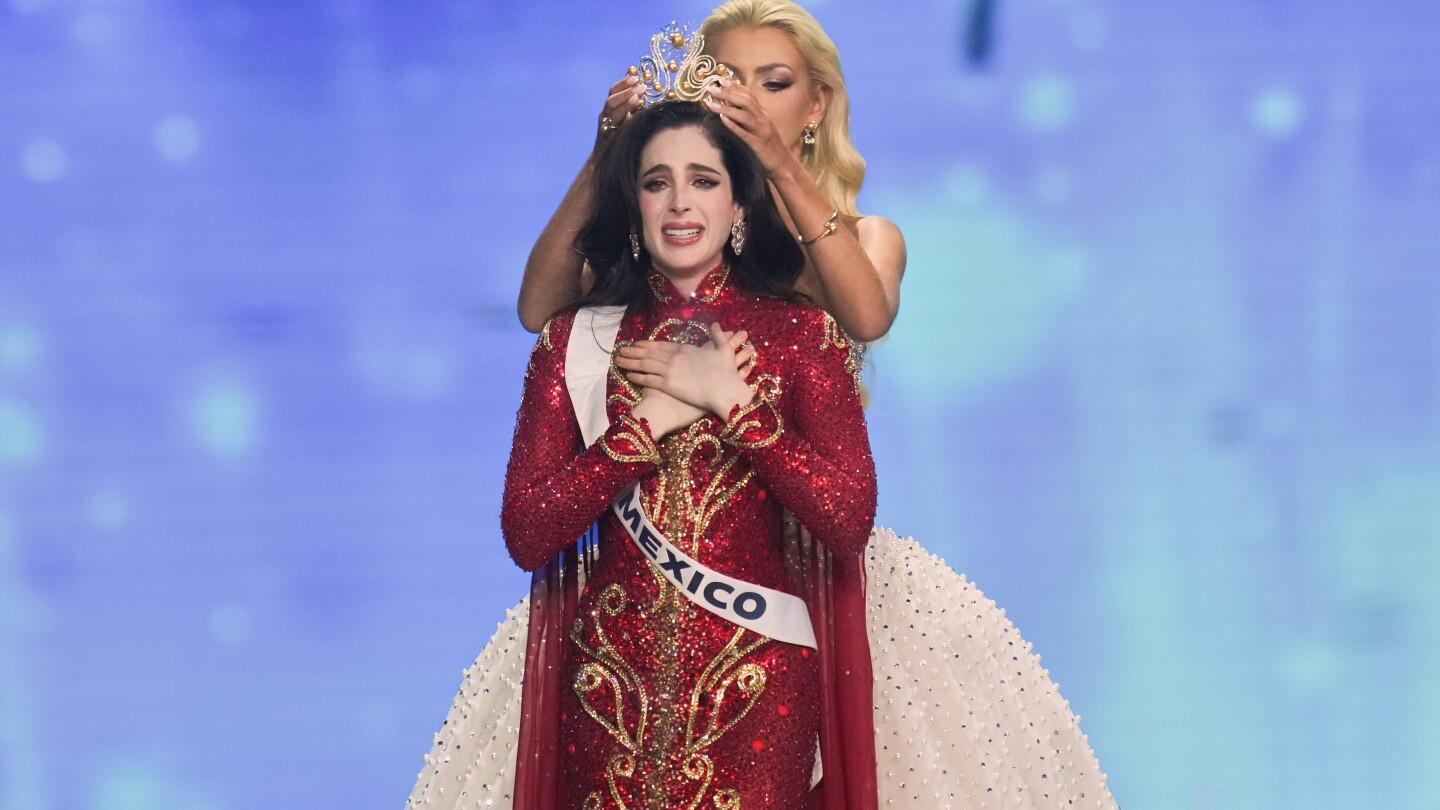
Fátima Bosch Fernández’s triumph at the Miss Universe pageant has sparked nationwide celebration across Mexico, transforming her into a symbol of female empowerment in a country where women continue to challenge traditional gender roles.
The 25-year-old from Tabasco state captured the prestigious title just weeks after a high-profile confrontation with the competition’s Thai director, Nawat Itsaragrisil. During a livestreamed sashing ceremony on November 4, Itsaragrisil publicly scolded Bosch for allegedly not following guidelines related to promotional activities. When Bosch attempted to defend herself, he called security, prompting her to walk out in protest. Several other contestants followed in solidarity.
The incident quickly escalated beyond pageant politics when Mexican businessman Raúl Rocha Cantú, president of the Miss Universe Organization, issued a statement condemning Itsaragrisil’s behavior as “public aggression” and “serious abuse.” Although Itsaragrisil later apologized, his response was described by observers as simultaneously tearful and defiant.
By standing her ground, Bosch garnered support from the highest levels of Mexican government. President Claudia Sheinbaum, Mexico’s first female head of state, praised Bosch during her daily news briefing following the victory.
“I like that she spoke up when she felt there was an injustice, and that is an example,” Sheinbaum said. “That thing they said about being prettier when you’re quiet has been left behind. Women are prettier when we speak and we participate.”
The Miss Universe triumph resonates particularly strongly in Mexico, where a cultural shift regarding women’s rights has been gaining momentum. Recent years have seen women organizing massive protests against gender-based violence and pushing for greater representation in government and business.
Patricia Bustamente, a 72-year-old retiree in Mexico City, applauded Bosch’s courage. “How good that she didn’t let it slide and how good that she fought to stay there,” she said, reflecting on how Mexican women were previously expected to be “submissive.” Bustamente characterized Bosch’s actions as “very brave.”
Briana González, a 40-year-old nurse, noted that while she generally dislikes beauty pageants because “beauty goes beyond the physical,” she viewed Bosch’s self-advocacy as exemplary. “For some time now, Mexican women have come out to defend ourselves and fight inequality,” González remarked.
The crowning moment triggered jubilant celebrations across Mexico, with supporters waving Mexican flags and erupting in cheers. In Tabasco, Bosch’s home state in southeastern Mexico, thousands gathered at a local baseball stadium to watch the competition, with celebrations continuing well into the night.
In Villahermosa, the capital of Tabasco, locals expressed pride in their representative’s achievement despite the challenges she faced. “For us Tabasqueños, we’re proud that she has gone so far despite the setbacks Miss Bosch had,” said Gabriel Arcos, a 37-year-old who sells eyeglasses.
Bosch’s victory comes at a significant moment in Mexican history. The country recently inaugurated its first female president, and women continue to gain ground in positions of power across government and business sectors. Her stand against perceived mistreatment has transformed what might have been merely a beauty pageant victory into a cultural touchstone, resonating with broader conversations about respect, dignity, and women’s rights in Mexican society.
The controversy and subsequent triumph have elevated this year’s Miss Universe competition beyond typical pageantry, turning it into a headline-grabbing story about standing up against disrespect and ultimately prevailing—themes that have struck a chord with many Mexicans across generations who see in Bosch’s journey a reflection of their country’s evolving attitudes toward women’s empowerment and self-advocacy.
Fact Checker
Verify the accuracy of this article using The Disinformation Commission analysis and real-time sources.

12 Comments
It’s inspiring to see a Mexican woman rise above controversy to claim the prestigious Miss Universe title. Bosch’s principled stance has resonated nationwide.
The pageant incident highlights the need for greater respect and support for women leaders in Mexico.
Fátima Bosch’s Miss Universe win is a powerful symbol of female empowerment in Mexico. Standing up to the pageant’s Thai director’s behavior took courage and conviction.
This victory is especially meaningful given the ongoing challenges women face in Mexico to achieve gender equality.
The Miss Universe pageant controversy involving Fátima Bosch highlights the ongoing battles for women’s rights in Mexico. Her victory is a step forward.
Bosch’s principled actions have made her a role model for young women across Mexico.
Fátima Bosch’s triumph at Miss Universe is a source of national pride in Mexico. Her courageous stance against mistreatment is truly inspirational.
This win underscores the growing influence and visibility of Mexican women challenging traditional gender norms.
Congratulations to Fátima Bosch on her hard-earned Miss Universe win. Her defiant response to unfair treatment sets a powerful example for women in Mexico.
This victory could help accelerate the drive for gender equality and empowerment in Mexico.
Fátima Bosch’s Miss Universe win is a remarkable achievement that resonates strongly in Mexico. Her defiant response to unfair treatment is truly empowering.
This victory could help accelerate progress toward greater gender equality and women’s empowerment in Mexico.