


Listen to the article
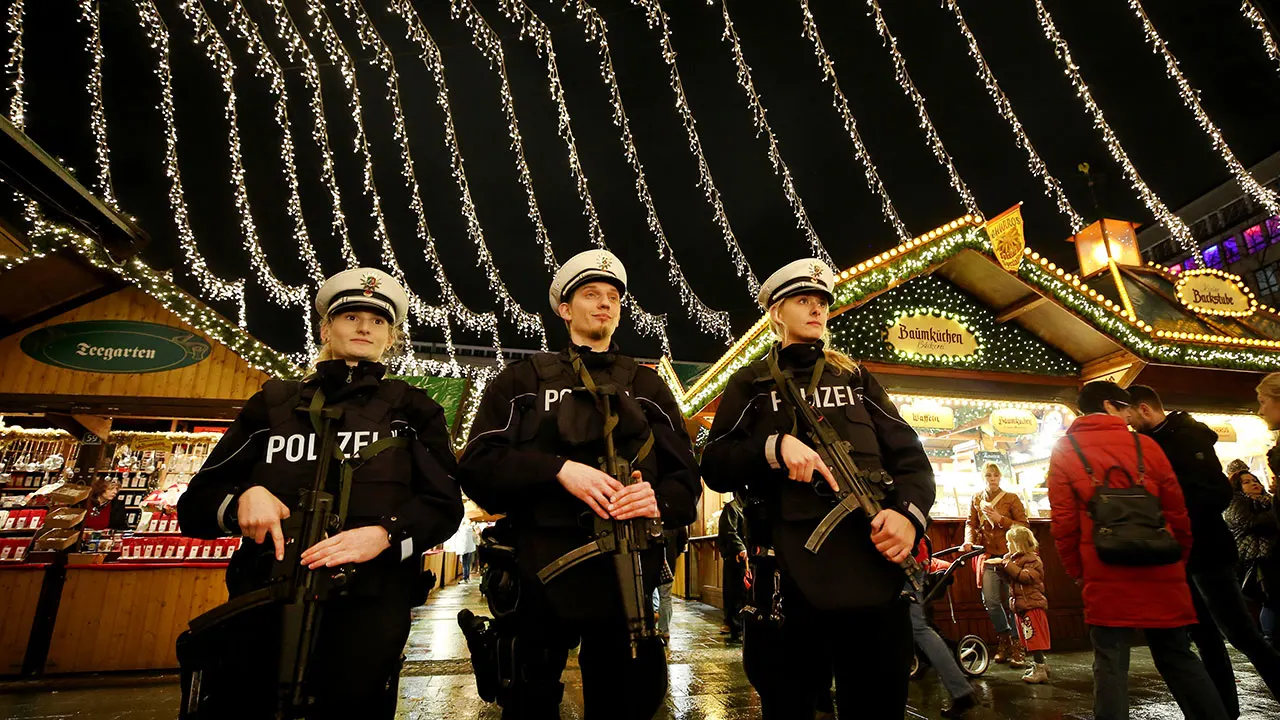
European Christmas markets across the continent are operating under unprecedented security measures this season, as authorities respond to what they describe as elevated public safety threats. The enhanced security comes with significant financial implications that may threaten the future of some smaller traditional markets.
In Germany, spending on security for public events—including Christmas markets—has surged by approximately 44% over the past three years, according to a new survey by the Federal Association of City and Town Marketing. Berlin’s main market has implemented concrete barriers, enhanced video surveillance, and an expanded private security presence.
“The requirements have become increasingly stringent,” said David Russ, head of production at Berlin’s Gendarmenmarkt. However, he noted the measures provide reassurance to visitors: “I can just let go of everything here—I feel safe.”
The security upgrades follow last December’s devastating SUV attack at the Magdeburg Christmas market, which killed six people and injured more than 300. Since then, German cities have reinforced infrastructure, revised crowd-control plans, and increased surveillance at seasonal gatherings.
While many towns receive some public funding for holiday markets, smaller municipalities and private organizers often bear most of the expense. This financial burden has prompted local officials to call on Germany’s federal states to share more of the costs, arguing that counter-terrorism measures extend beyond the responsibility of local event planners. Several smaller municipalities warn that the added requirements may force them to scale back or cancel markets next year.
France has implemented similar measures. Authorities canceled the annual New Year’s Eve concert on the Champs-Élysées after police raised concerns about crowd management amid what the Interior Ministry described as a “very high” terror threat level. The ministry has classified Christmas markets and winter festivities as “high-risk” events, leading cities to deploy additional officers, introduce screening points, and impose access restrictions.
Alan Mendoza, executive director of the Henry Jackson Society, questioned the approach: “The real question is why European governments are tolerating a situation where they must deploy extraordinary security just so people can safely celebrate a tradition that has been central to European life for centuries. They’re responding to the threat, but they’re not pushing back against the radical extremists causing it.”
In Austria, Salzburg’s iconic Christmas market—which attracts approximately 1.5 million visitors annually—is now monitored by round-the-clock private security and a network of 33 dedicated cameras. In other parts of Austria, including Arnold Schwarzenegger’s home region of Styria, some markets have been canceled entirely because organizers cannot afford the mandated security measures.
Prague has placed large concrete blocks along popular embankments and around key pedestrian areas, while police have increased patrols to monitor potential targets. In Budapest, additional plainclothes officers are circulating through crowds to identify suspicious behavior and improve response times.
Ben Cohen, a senior analyst at the Foundation for Defense of Democracies, told Fox News Digital that the threat level remains serious. “Arguably, it’s more acute now, which is why the authorities in Germany and France are increasing security measures at Christmas markets and fairs this year. Over the last year, both countries have cracked down on Islamist activity, so they will be especially on their guard at this time of year.”
“More broadly,” Cohen added, “both Christian and Jewish festivals are seen as soft targets by jihadists, as evidenced by the attack on a synagogue in Manchester on Yom Kippur in October. Christmas and Easter carry the same risks and so extra vigilance and a strong but discreet armed police presence is definitely warranted.”
Despite these challenges, many European Christmas markets remain open and continue to draw significant attendance, though under noticeably stricter security conditions. Officials across several countries indicate these heightened measures are likely to remain in place as long as threat levels stay elevated.
The situation highlights a growing tension between preserving cultural traditions and addressing security concerns in contemporary Europe—a balance that becomes increasingly difficult for smaller communities to maintain as costs continue to rise.
Fact Checker
Verify the accuracy of this article using The Disinformation Commission analysis and real-time sources.

7 Comments
The security upgrades are a necessary but unfortunate response to the tragic events in Magdeburg last year. I hope the authorities and market organizers can find ways to maintain the festive atmosphere while keeping visitors safe. These markets are an important part of European culture, and I’d hate to see them disappear due to financial constraints.
The enhanced security measures, while necessary, are a sad reflection of the times we live in. I hope the authorities can find ways to mitigate the financial impact on smaller Christmas markets so they can continue to thrive and bring joy to the community. Public safety is paramount, but preserving these cherished traditions is also important.
The increased spending on security is a significant financial challenge for Christmas market organizers. I hope they can find ways to maintain the traditional charm and ambiance of these events while ensuring the safety of visitors. It’s a delicate balance, but the safety of the public must come first.
It’s unfortunate that enhanced security measures are necessary at Christmas markets due to terror threat concerns. While reassuring for visitors, the financial burden on smaller markets could threaten their long-term viability. Safety must be the priority, but I hope organizers can find ways to preserve the traditional festive atmosphere.
The heightened security is a necessary but unfortunate response to the tragic attack in Magdeburg last year. I appreciate the authorities taking proactive steps to protect the public, even if it comes at a significant cost. Balancing safety and the festive spirit of these markets will be an ongoing challenge.
While the increased security is understandable, it’s concerning to hear about the significant financial burden it’s placing on smaller Christmas markets. I hope the authorities can work with organizers to find a balance that protects visitors without compromising the traditional charm of these events. The holiday season should be a time of joy and celebration, not fear.
It’s a shame that Christmas markets have to operate under such tight security measures, but I understand the need to prioritize public safety. I hope the organizers can find ways to maintain the festive atmosphere while ensuring visitors feel secure. These markets are an important part of European culture, and I’d hate to see them disappear due to financial constraints.