


Listen to the article
Dominican Republic Ramps Up Tourism Capacity as Hurricane-Affected Islands Recover
The Dominican Republic has moved swiftly to capitalize on a tourism opportunity arising from tragedy, authorizing 800 additional flights to accommodate travelers originally bound for hurricane-damaged Caribbean destinations.
Tourism officials announced Wednesday that these flights, a mix of regular and charter services, will help absorb visitors who had planned vacations in Jamaica and other neighboring islands devastated by Hurricane Melissa last month.
“This will have a positive impact on hotel occupancy in the Dominican Republic, and Dominican hotels have the capacity to receive that influx,” said Nairobi Santos, spokesperson for the country’s Association of Hotels and Tourism.
The additional flight capacity will be distributed over an eight-month period, with the Dominican tourism industry projecting occupancy rates exceeding 95% during the upcoming holiday season. The country is already experiencing a surge in visitors, with tourist arrivals increasing from 575,600 in September to more than 672,000 in October.
Héctor Porcella, president of the Dominican Republic’s Civil Aviation Board, explained the decision bluntly: “We authorized 800 flights in one fell swoop because all that tourism that was going to Jamaica, the Dominican Republic will benefit.” He expressed sympathy for the devastation caused by the Category 5 storm across the northern Caribbean, particularly in Jamaica, the Bahamas, Cuba, and Haiti.
The Dominican tourism industry appears well-positioned to handle the influx. Hotel occupancy rates rose from 58% to 63% between September and October, according to the Dominican Central Bank. The country has welcomed over 8 million visitors from January through October this year, underscoring tourism’s vital role in an economy that generated nearly $11 million from the sector last year.
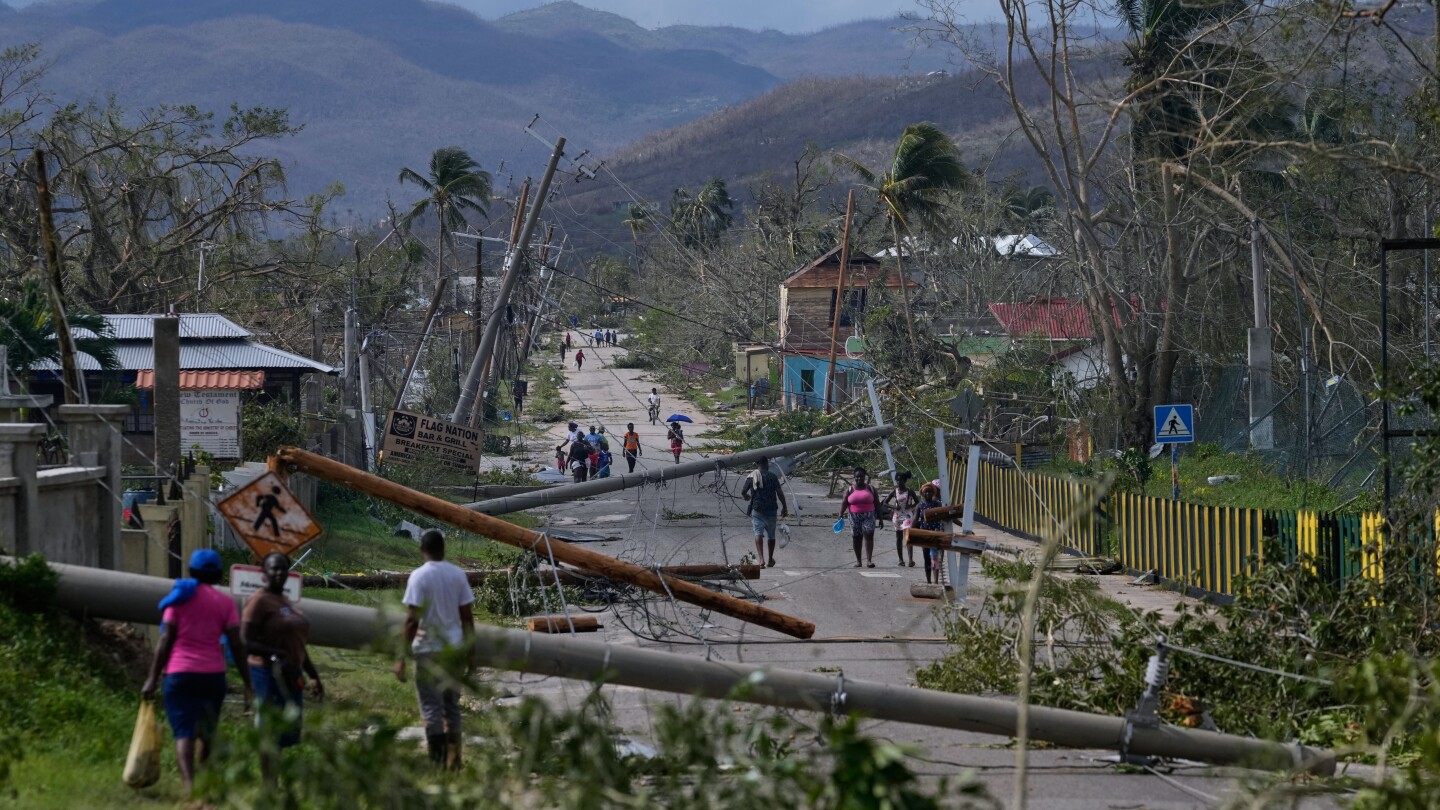
Meanwhile, Jamaica faces a challenging recovery path after Hurricane Melissa made landfall on October 28. Tourism Minister Edmund Bartlett acknowledged numerous flight cancellations, with some major hotels not expecting to reopen until mid- or late 2026. Despite these setbacks, Bartlett projects that approximately 60% of Jamaica’s hotel rooms will be available by mid-December.
The island nation is gradually restoring essential services. As of Wednesday, nearly a month after the hurricane struck, 76% of Jamaica’s power grid was operational, according to Alvin Gayle, director of the island’s emergency management office. Water service has been restored to 82% of customers.
The human toll has been significant. Hurricane Melissa claimed 45 lives in Jamaica, with 16 people still missing. Additionally, 11 people have died from suspected or confirmed leptospirosis, a bacterial disease often spread through water contaminated by animal urine, with 91 suspected cases reported according to Health Minister Christopher Tufton.
Jamaica’s cruise tourism has shown early signs of recovery, with ships bringing approximately 32,000 passengers since the storm. This number is expected to double next week, providing some economic relief to affected areas.
The hurricane’s destruction extended beyond Jamaica. In neighboring Haiti, at least 43 people were killed, with extensive flooding reported throughout the country’s southwestern region. The storm also caused significant damage in Cuba and the Bahamas.
The Dominican Republic’s rapid response to this regional crisis demonstrates the competitive nature of Caribbean tourism and the economic importance of the industry to the region. As some islands struggle with recovery efforts that could take years, others are positioning themselves to maintain the flow of tourism dollars that are vital to the Caribbean economy.
Fact Checker
Verify the accuracy of this article using The Disinformation Commission analysis and real-time sources.

13 Comments
The Dominican Republic’s tourism industry seems well-positioned to handle this influx of visitors. Increasing flight capacity and hotel occupancy will certainly provide an economic boost, but they’ll need to ensure quality of service doesn’t suffer.
The Dominican Republic’s ability to quickly ramp up tourism capacity is impressive. This could be a major boon for their economy, but they’ll need to carefully manage the influx to maintain quality standards and avoid overtaxing their resources.
It’s a delicate balance – capitalizing on the situation while also being mindful of the hardships faced by the neighboring islands. Responsible tourism practices will be key.
It’s good to see the Dominican Republic taking advantage of this opportunity, but I hope they are also mindful of the need to provide support and aid to the neighboring islands impacted by Hurricane Melissa. Tourism shouldn’t come at the expense of compassion.
Agreed. The Dominican Republic should consider ways to also assist their Caribbean neighbors as they recover from the storm’s devastation.
This is a prime example of how a tourism-dependent country can pivot to capitalize on a crisis in a neighboring region. The Dominican Republic is making the most of a difficult situation, which could pay dividends in the long run.
It will be interesting to see if this surge in tourism leads to any long-term investments or infrastructure improvements in the Dominican Republic to accommodate future growth.
This is an interesting opportunity for the Dominican Republic to capitalize on the misfortune of its neighbors. With their tourism infrastructure ready to handle the influx, they can likely see a nice boost in visitors and revenue during this period.
It will be important for the Dominican Republic to ensure they can accommodate this surge without overburdening their resources or negatively impacting the experience for regular visitors.
The Dominican Republic’s quick action to authorize additional flights demonstrates their agility in responding to a changing tourism landscape. Rerouting visitors from hurricane-affected areas is a pragmatic solution that can benefit both travelers and the local economy.
I’m curious to see how this influx of tourists will impact the Dominican Republic’s tourism sector in the near and long term. Will it result in a lasting boost or just a temporary spike?
While the Dominican Republic’s response is understandable from a business perspective, I hope they don’t lose sight of the human toll Hurricane Melissa has taken on the affected islands. Supporting their neighbors’ recovery efforts should be a priority as well.
This is a savvy move by the Dominican Republic to attract more visitors during a challenging time. Their tourism infrastructure seems ready to handle the increased capacity, which could translate to a significant economic windfall.