


Listen to the article
U.S. Authors Dominate Shortlist for 2026 Women’s Prize for Fiction
American authors have secured four of the six spots on the shortlist for the 2026 Women’s Prize for Fiction, organizers announced Wednesday. The prestigious £30,000 ($40,000) literary award, open to female English-language writers worldwide, features an unusual number of debut novelists this year, with four first-time authors making the cut.
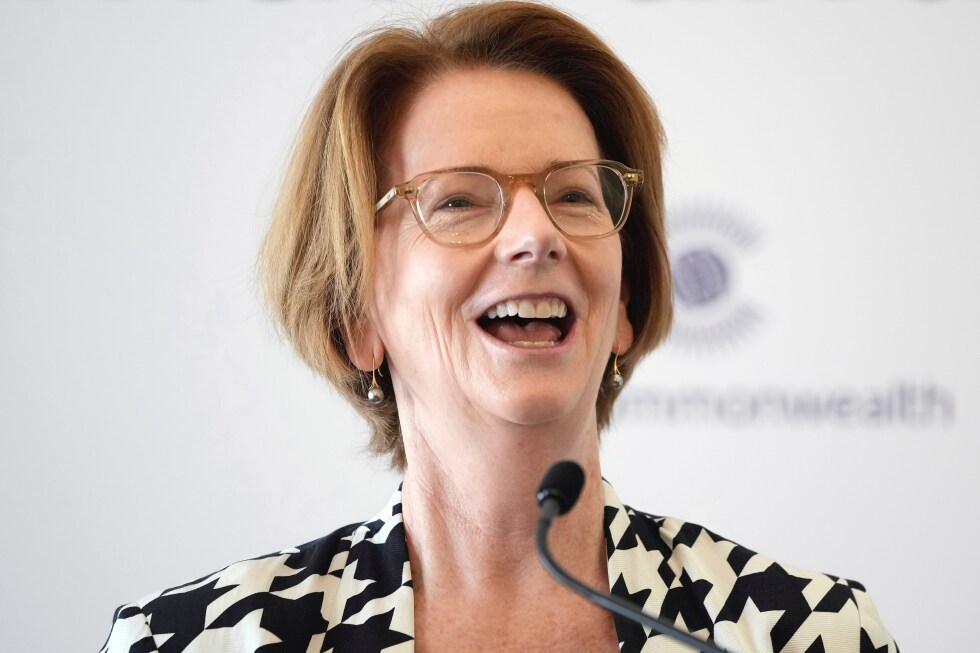
The shortlist was revealed by a judging panel chaired by former Australian Prime Minister Julia Gillard, who highlighted common themes running through the selected works.
“These books explore power — where it lies, where it doesn’t lie,” Gillard explained. “They examine how you find the ability to chart your own life course, and what it means to potentially have others pushing you in different directions as you try to do that.”
Among the established authors on the list is bestselling American writer Lily King with her campus-set romance “Heart the Lover.” She is joined by compatriot Susan Choi, whose twisty family saga “Flashlight” was also a finalist for last year’s Booker Prize, further cementing her reputation as one of America’s most acclaimed contemporary novelists.
The impressive showing of debut works includes Virginia Evans’ epistolary novel “The Correspondent,” which became a surprise commercial hit after its 2025 release. The American writer’s success story is particularly notable as she had written seven unpublished novels before finally breaking through with this work centered on an older female protagonist.
Fellow American debut novelist Addie E. Citchens made the list with “Dominion,” a powerful exploration of patriarchal structures within a Black church community in Mississippi, tackling themes of religion, race, and power dynamics in the American South.
British representation comes from two first-time novelists: Marcia Hutchinson with “The Mercy Step,” a coming-of-age narrative set in northern England, and Rozie Kelly, whose “Kingfisher” examines themes of love and grief.
Despite the high number of debut works, Gillard noted that many of these authors bring substantial life experience to their writing. Hutchinson, for example, practiced law before turning to fiction in her sixties.
“The way the publishing industry is working now, there are quite a number of authors coming to the fore for whom being a fiction author is well and truly a second act in a life that has brought other careers,” Gillard observed.
This trend reflects broader changes in the publishing landscape, where industry gatekeepers appear increasingly willing to consider writers who come to fiction later in life, potentially bringing richer perspectives informed by diverse professional backgrounds.
When asked if she might follow other former political leaders into fiction writing – like Bill Clinton in the U.S. or Nicola Sturgeon in Scotland, who have both ventured into political thrillers – Gillard demurred.
“Never say never, but I’m not sure about that,” she said, noting she has already published memoir and non-fiction works on women and leadership. “I’m a fiction lover, a fiction reader, and it’s been just fantastic to have this experience as a Women’s Prize judge.”
The Women’s Prize for Fiction, established in 1996, has a distinguished history of recognizing exceptional female literary talent. Past winners include literary luminaries such as Zadie Smith, Tayari Jones, and Barbara Kingsolver, whose works have significantly shaped contemporary fiction.
The prize expanded its scope in 2024 with the introduction of a sister award for non-fiction, reflecting the organization’s commitment to celebrating women’s contributions across the literary spectrum.
The judges will now deliberate to select a winner from the shortlist, with both the fiction and non-fiction prize winners set to be announced at a ceremony in London on June 11. The winner will join an illustrious group of authors whose works have been recognized for their literary merit, originality, and cultural significance.
Fact Checker
Verify the accuracy of this article using The Disinformation Commission analysis and real-time sources.

8 Comments
Interesting that established authors like Lily King and Susan Choi are sharing the spotlight with so many debut novelists. That speaks to the quality and depth of this year’s submissions. I’m curious to learn more about the themes of power and self-determination that the judges highlighted.
Absolutely, the combination of new and renowned voices makes this a particularly compelling shortlist. The thematic focus on power dynamics and personal agency sounds very timely and thought-provoking.
The Women’s Prize continues to showcase some of the most compelling female voices in fiction. I’m particularly intrigued by the campus-set romance and the family saga – those sound like rich, complex stories worth exploring.
Definitely, the range of genres and subjects covered in this shortlist is really appealing. It will be exciting to see which book emerges as the winner.
Exciting to see such a strong showing by debut novelists on the Women’s Prize shortlist. This highlights the wealth of new literary talent emerging, especially from the US. I look forward to reading these thought-provoking works exploring themes of power and self-determination.
Agreed, the diversity of perspectives and backgrounds among the finalists is really impressive. Debut authors often bring a fresh and compelling voice to the genre.
Four out of six finalists being debut authors is quite remarkable. It demonstrates the vitality and diversity of contemporary women’s fiction. I’m looking forward to discovering these new literary talents and seeing which book ultimately takes the prize.
Agreed, the strong showing by first-time novelists is a testament to the depth of writing talent out there. It will be exciting to see which debut work resonates most with the judges and readers.