


Listen to the article
Czech President Ready to Appoint Babiš as Prime Minister Amid Conflict of Interest Concerns
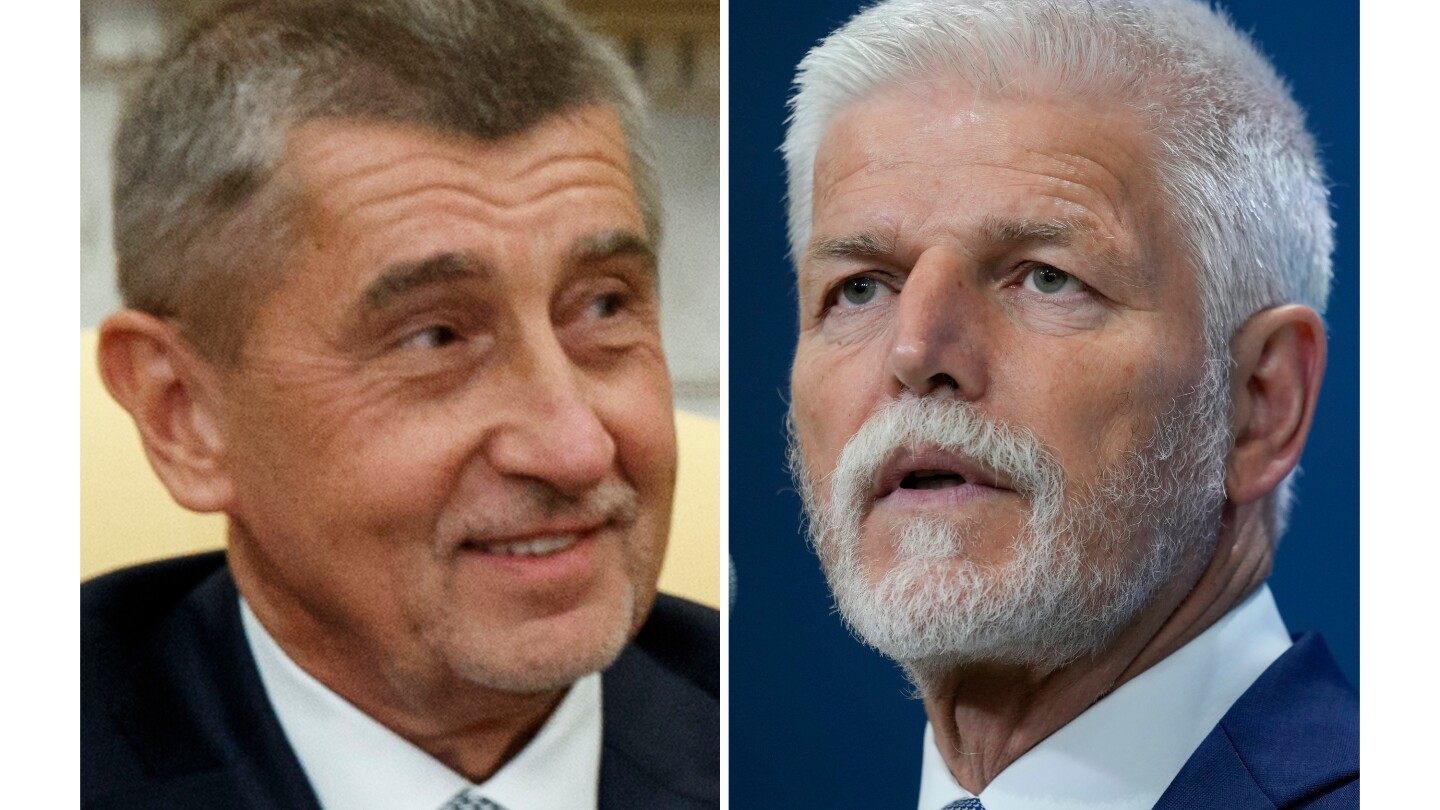
Czech President Petr Pavel announced Wednesday he is prepared to swear in billionaire businessman Andrej Babiš as prime minister within a week, provided Babiš addresses potential conflicts of interest between his extensive business holdings and his political role.
The president’s conditional approval comes as Babiš, who owns the sprawling Agrofert conglomerate encompassing approximately 200 companies with significant stakes in agriculture and healthcare, faces scrutiny under the country’s conflict of interest legislation. The law, which was strengthened through 2023 amendments, prevents politicians from merging business interests with political power and blocks the previously common practice of transferring ownership to trust funds or family members.
“The conflict of interest issue is not just a technical matter but fundamental to ensuring public trust in governance,” said a political analyst familiar with Czech politics. “The amended legislation closed loopholes that had been exploited previously.”
Babiš’s ANO (YES) movement emerged victorious in recent parliamentary elections, prompting President Pavel to task him with forming a government last month. The billionaire has assembled a coalition agreement with two smaller political entities – the anti-immigration Freedom and Direct Democracy party and the right-wing Motorists for Themselves – giving them a parliamentary majority.
The proposed Cabinet structure would grant Babiš’s ANO eight ministerial positions including the prime minister role, while allocating four posts to the Motorists and three to the Freedom party. Babiš presented this lineup during Wednesday’s meeting with Pavel and expressed his desire to have the new government appointed by mid-December.
However, the coalition’s proposed Cabinet immediately encountered controversy over Filip Turek, the honorary president of the Motorists party. Turek faced intense public backlash after media reports surfaced revealing Facebook posts attributed to him containing racist, homophobic, and sexist content. While Turek apologized for some posts, he denied responsibility for others.
President Pavel took a firm stance on the matter, declaring Turek ineligible for a ministerial position. Following their meeting, Babiš acknowledged Pavel’s position, stating: “The position of the president is that Mr. Turek should not be a member of the government.”
Although the Czech presidency is largely ceremonial, the office retains important constitutional powers, including ratifying international agreements and Cabinet appointments. This authority gives Pavel meaningful oversight in the government formation process.
Political observers note that the coalition’s ascent marks a significant shift in Czech politics, particularly regarding foreign policy. The three parties share skepticism toward the European Union and oppose several EU initiatives, especially those related to environmental policies and migration. Analysts expect the new government to potentially reduce Czech support for Ukraine in its defense against Russia’s invasion, marking a departure from the previous government’s stance.
“This coalition represents a notable shift in Czech political alignment,” explained an EU affairs expert. “Their common Euroscepticism and potential pivot away from supporting Ukraine could reshape Czech relationships within both the EU and NATO.”
The developments come at a critical time for Central European politics, as various countries in the region grapple with populism, economic challenges, and diverging views on European integration and the Russia-Ukraine conflict.
As Babiš works to address the president’s concerns regarding his business interests, Czech citizens await clarity on how the country’s second-richest man will navigate the strict conflict of interest regulations while leading the government. The resolution of this matter will be a crucial test for Czech democratic institutions and the rule of law.
Fact Checker
Verify the accuracy of this article using The Disinformation Commission analysis and real-time sources.

9 Comments
As an investor in mining and commodities, I’ll be watching this closely. Transparent governance is essential for maintaining a healthy business environment. I hope Babiš can navigate this issue successfully.
Conflict of interest laws are essential for maintaining integrity in government. It will be important for Babiš to fully comply with the requirements before assuming the premiership.
The mining and commodities sector relies on stable, transparent governance. I hope Babiš is able to satisfactorily address the conflict of interest concerns so he can focus on his policy agenda.
The new conflict of interest laws in the Czech Republic seem like an important step to prevent blending of business and political power. It will be important for Babiš to demonstrate full compliance if he wants to assume the premiership.
Curious to learn more about the specifics of Babiš’s business holdings and how they may intersect with the prime minister role. Transparency around these issues is crucial for building public trust.
Interesting situation in Czech politics. Resolving potential conflicts of interest is crucial for public trust, especially for high-level positions like prime minister. I’m curious to see how Babiš addresses this issue and whether he can meet the legal requirements.
Balancing business interests and political responsibilities is always tricky. Kudos to the Czech government for strengthening their conflict of interest laws. It will be interesting to see how Babiš resolves this before taking office.
Resolving this conflict of interest issue will be crucial for Babiš’s credibility and ability to govern effectively. I’m curious to see how he addresses it in the coming days.
As an investor, I’m always wary of potential conflicts of interest in government. I hope Babiš can find a way to resolve this issue and provide reassurance about the separation of his business and political roles.