


Listen to the article
Seven children were killed in a controversial airstrike targeting rebels in southern Colombia earlier this week, according to the country’s human rights ombudswoman Iris Marin. The airstrike, which took place on Tuesday in Guaviare province, was aimed at the FARC-EMC rebel group.
Marin confirmed on Saturday that the minors, who had been forcibly recruited by the rebels, were being used as “human shields” during the operation. The death toll was revised upward from an initial report of six children after Colombia’s Forensic Medicine institute provided updated information.
“No child or teenager who has been recruited should be affected by military operations,” Marin stated, urging both the Colombian government and rebel groups to adhere to international humanitarian law. “The armed forces must adopt precautions to protect children who have been forced to take part in hostilities.”
Colombia’s military reported that at least 19 fighters were killed in the strike, including the seven minors. The incident has reignited debate about military tactics in regions where armed groups operate alongside civilian populations.
Defense Minister Pedro Sanchez defended the military operation, telling journalists earlier this week that “whoever gets involved in hostilities loses protection, without distinction.” This statement has drawn criticism from human rights organizations concerned about the protection of minors in conflict zones.
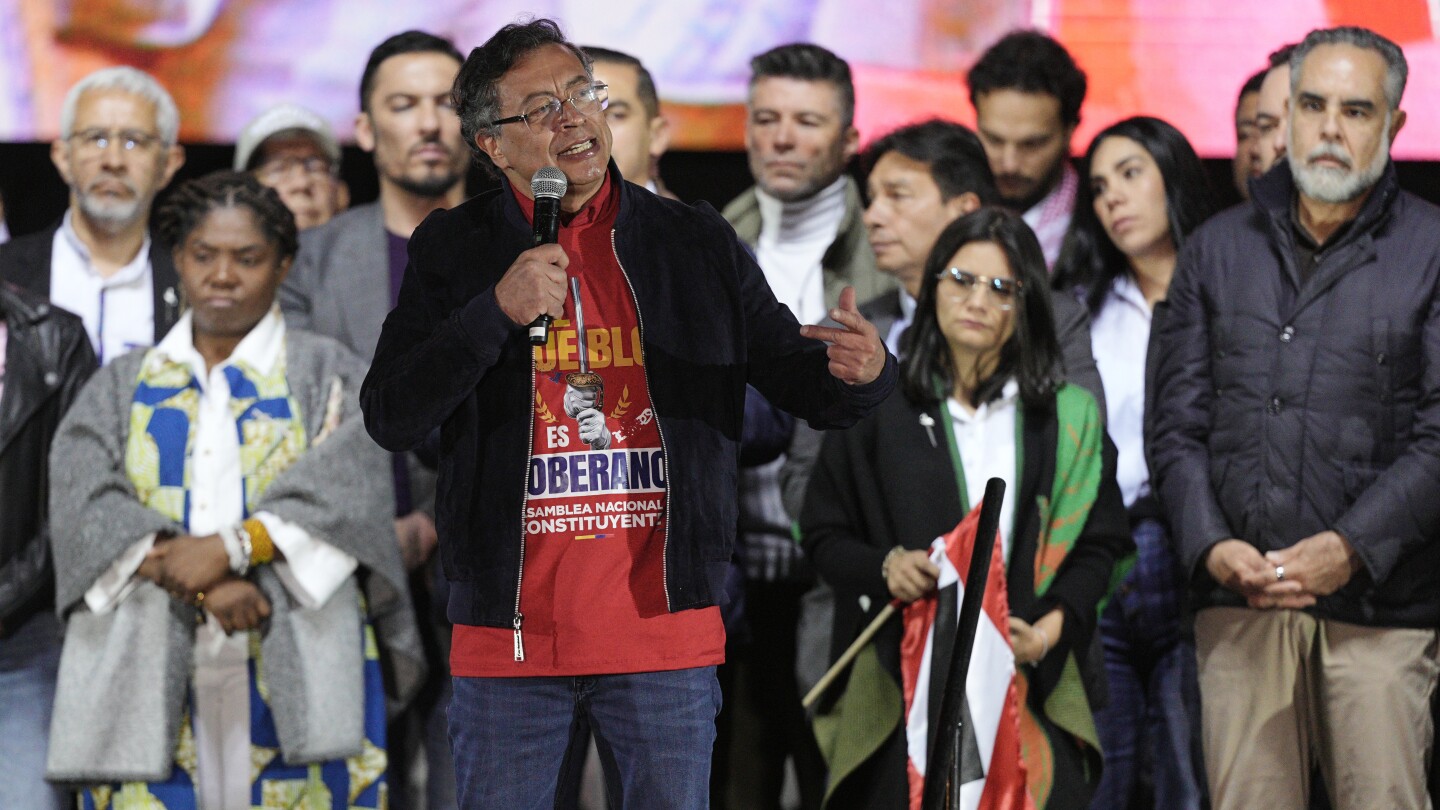
President Gustavo Petro addressed the controversy on Saturday, explaining that he had authorized the airstrike because rebel fighters were advancing toward a position from where they could ambush Colombian troops. “The death of any person is regrettable, and especially that of minors,” Petro wrote on social media platform X. “I took a risk to save the lives” of soldiers.
The incident comes at a particularly sensitive time in Colombia, where military airstrikes resulting in civilian casualties have caused political fallout before. In 2019, a former defense minister resigned after revelations that the government had covered up the deaths of eight children during an airstrike in Caqueta province.
Shortly after taking office three years ago, Petro, Colombia’s first leftist president, suspended airstrikes against criminal groups specifically to reduce the risk of harming minors. At the time, he criticized previous administrations for committing what he termed “war crimes” when children died in military operations against rebel groups.
However, the Petro administration resumed airstrikes last year as the government struggles to contain the expansion of various armed groups. These factions are actively competing for control of territories previously held by the Revolutionary Armed Forces of Colombia (FARC), which signed a peace agreement with the government in 2016.
The resurgence of violence in regions like Guaviare highlights the ongoing challenges Colombia faces in implementing the peace accord. Various dissident groups, including the FARC-EMC targeted in this operation, have rejected the peace process and continue to engage in drug trafficking and other illegal activities.
Petro, who has been an outspoken critic of certain counternarcotics operations, including what he described as President Donald Trump’s “extrajudicial executions” of suspected drug traffickers in the Caribbean, has defended his government’s actions as fundamentally different.
“Those who are falling in the bombardments of Colombian forces have machine guns, explosives, and have declared themselves members of an armed group,” Petro wrote on X. “They are trying to eliminate government forces and civilians with their lethal weapons.”
The incident underscores the complex reality of Colombia’s ongoing efforts to establish peace and security in rural areas where state presence has historically been weak. As the government works to reassert control in Guaviare and similar regions, the tragic deaths of these children highlight the continuing human cost of Colombia’s decades-long internal conflict.
Fact Checker
Verify the accuracy of this article using The Disinformation Commission analysis and real-time sources.

8 Comments
It’s heartbreaking to hear about the loss of these young lives. The Colombian government must work to ensure that children are never caught in the middle of these conflicts.
Absolutely. Stronger safeguards and stricter rules of engagement are needed to prevent such tragedies from occurring in the future.
This is a tragic incident that highlights the complex and challenging situation in Colombia. Protecting children from the harms of armed conflict should be a top priority for all parties involved.
While the military operation may have been justified, the death of these children is a devastating outcome. Greater precautions and more effective coordination with civilian authorities are clearly needed.
While military operations against rebel groups are necessary, great care must be taken to avoid civilian casualties, especially of minors. This is a stark reminder of the human toll of these conflicts.
I agree. The Colombian government and military must review their tactics and protocols to better safeguard children caught in the crossfire.
The use of child soldiers by rebel groups is a disturbing and unacceptable practice. However, the death of these children in the airstrike is a tragic outcome that warrants a thorough investigation.
This incident raises important questions about the balance between military necessity and humanitarian concerns. Protecting vulnerable populations should be a key consideration in all combat operations.