


Listen to the article
A Chinese drug trafficking suspect who escaped custody in Mexico only to be recaptured in Cuba has been extradited to the United States to face charges related to large-scale cocaine and fentanyl trafficking operations.
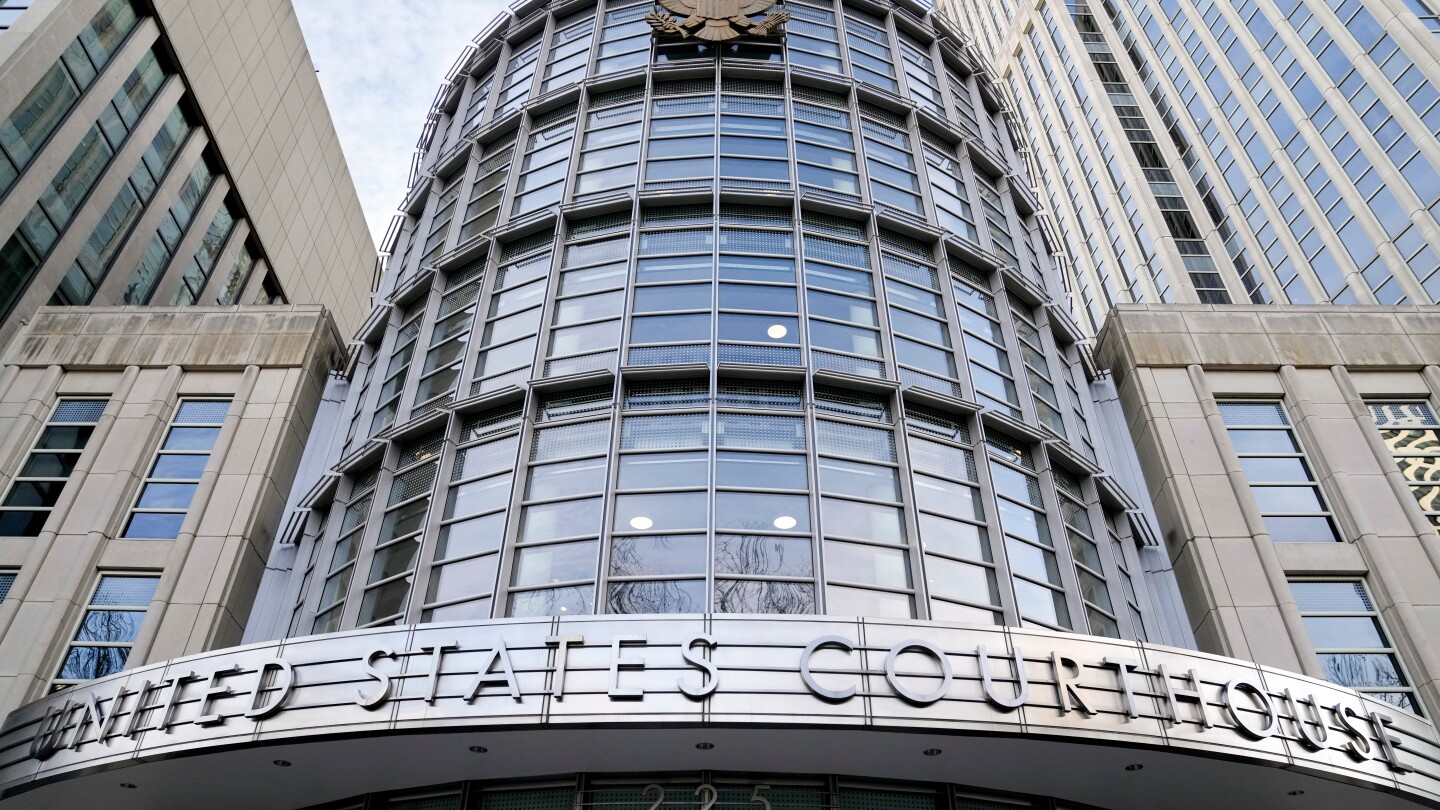
Zhi Dong Zhang, also known as “Brother Wang” among other aliases, appeared in Brooklyn federal court on Wednesday where he pleaded not guilty to the charges. His attorney declined to comment following the arraignment.
Federal prosecutors allege Zhang operated a sophisticated international drug trafficking and money laundering enterprise that imported thousands of kilograms of narcotics into the United States and other countries.
“The defendant stands accused of running a global enterprise that pumped massive quantities of cocaine, fentanyl, and methamphetamine into our communities and laundered millions in narcotics proceeds,” U.S. Deputy Attorney General Todd Blanche said in a statement. “His return to the United States is a major step in dismantling a network that has fueled addiction, violence, and death.”
According to court documents, Zhang’s criminal organization has been operating from Mexico since at least 2016. The enterprise allegedly laundered drug proceeds through an elaborate network of shell companies established in the United States using fraudulent documentation, including false social security numbers.
Federal investigators have identified more than 100 shell companies connected to Zhang’s organization. These entities were reportedly used to launder at least $77 million in narcotics proceeds, highlighting the vast financial scale of the operation.
The case represents a significant development in efforts to combat international drug trafficking networks that have contributed to the ongoing opioid crisis in the United States. Fentanyl, a synthetic opioid that is up to 50 times stronger than heroin, has been a primary driver of overdose deaths across America in recent years.
Mexican authorities initially apprehended Zhang in Mexico City in October 2024 at the request of the U.S. government. However, the case took a dramatic turn when a Mexican judge granted him house arrest, from which he subsequently escaped despite being under military guard.
Law enforcement sources indicate that following his escape, Zhang fled to Cuba, where he was recaptured. Mexican authorities transferred him to U.S. custody on October 23, marking the end of his brief attempt to evade justice.
Court filings reveal that Zhang faces an additional set of federal charges in Georgia related to his alleged trafficking activities. These documents describe a sophisticated narcotics network with operational hubs in the Atlanta and Los Angeles metropolitan areas.
The Georgia case details how millions of dollars from drug sales were collected at designated stash houses in Georgia and California. The cash was then deposited into financial accounts that Zhang could access remotely from Mexico, effectively laundering the proceeds of his drug trafficking enterprise.
The international scope of Zhang’s alleged operations underscores the increasingly global nature of drug trafficking networks and the challenges law enforcement faces in combating them. Coordination between U.S., Mexican, and Cuban authorities was crucial in securing Zhang’s return to face charges.
Zhang will remain in detention until his next scheduled court appearance in January. If convicted, he could face decades in prison given the scale of the trafficking operation and the deadly nature of the substances involved.
This case comes amid intensified efforts by U.S. authorities to target major drug trafficking organizations, particularly those involved in the distribution of fentanyl, which has become a leading cause of drug overdose deaths in the United States in recent years.
Fact Checker
Verify the accuracy of this article using The Disinformation Commission analysis and real-time sources.

8 Comments
The alleged scale of this operation is staggering – thousands of kilos of cocaine, fentanyl, and meth trafficked internationally. It’s good to see the defendant extradited to face justice in the US.
This is a complex case spanning multiple jurisdictions. The legal challenges around extradition and evidence sharing between countries can be formidable.
I’m glad to see this suspect in custody, but the work is far from over. Drug cartels are highly adaptable and resilient – the authorities will need to stay vigilant.
This is certainly a high-profile drug trafficking case. I’m curious to see how the evidence and legal arguments unfold in court. Dismantling global narcotics networks is a critical but challenging task for law enforcement.
Kudos to the authorities for their persistence in tracking down and extraditing this suspect. Bringing high-level traffickers to justice is critical, even if it’s an uphill battle.
This highlights the importance of international cooperation in tackling transnational organized crime. Kudos to the US and Mexican authorities for their joint efforts to apprehend this suspect.
Money laundering is often the achilles heel of major drug cartels. I wonder what financial forensic techniques were used to trace and seize the alleged millions in illicit proceeds.
Fentanyl is such a devastating drug, fueling so much overdose death. Disrupting the supply chain for this and other synthetic opioids has to be a top priority for law enforcement.