


Listen to the article
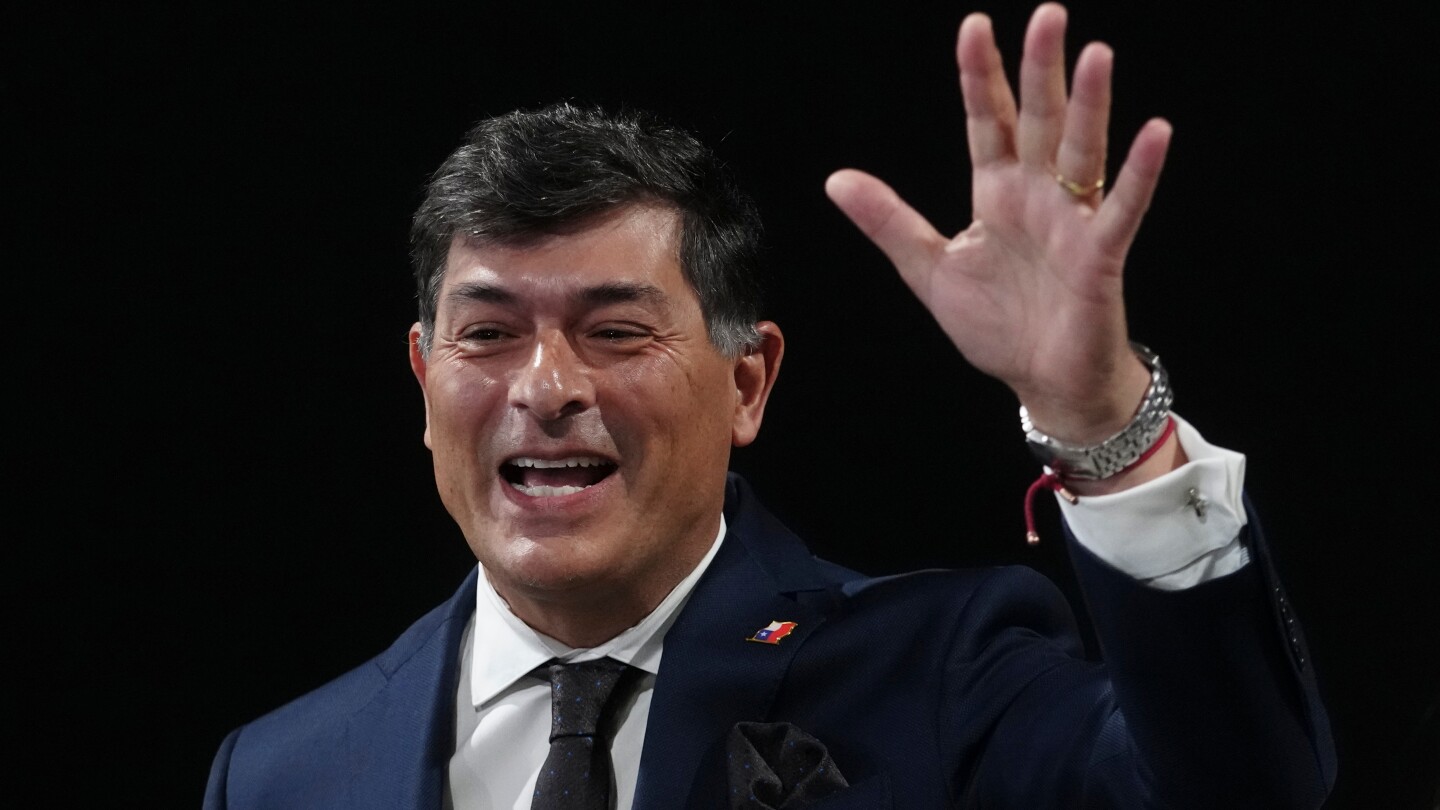
In a surprising turn of events, economist Franco Parisi has emerged as a pivotal figure in Chile’s high-stakes presidential runoff, though he claims to want nothing to do with either finalist.
Parisi, a populist who secured third place with a remarkable 19.7% of the vote in last Sunday’s presidential election, told The Associated Press he has been inundated with calls from across the political spectrum. Representatives from both Communist candidate Jeannette Jara and ultraconservative José Antonio Kast are vying for his endorsement ahead of the December 14 runoff.
“I’m not talking to either of them because I don’t trust them,” Parisi said bluntly. “They don’t believe in common sense. They believe in ideology.”
The election results have set the stage for Chile’s most polarized presidential contest since the nation’s return to democracy in 1990. Jara, the former labor minister in President Gabriel Boric’s center-left government who campaigned on expanding social safety nets, led with 26.9% of the vote. Kast, who has capitalized on widespread concerns about rising crime and illegal immigration, followed closely with 23.9%.
Parisi’s 2.5 million votes now represent the most coveted bloc in Chilean politics. His Party of the People also secured 14 seats in the 155-member lower house of Congress, giving him significant leverage in the country’s divided legislature.
Despite this newfound influence, Parisi insists he is “secluded in my house right now, not answering calls,” refusing to endorse either candidate even in exchange for ministerial positions.
Political analysts view Kast as the likely beneficiary of the runoff, particularly if he can attract Parisi’s supporters who tend to favor free-market policies. Unlike other candidates who quickly endorsed frontrunners, Parisi rejected the notion that his voters would automatically back Kast.
“No way, no how,” he stated, predicting most of his supporters would cast invalid ballots in protest of what he considers poor options for Chile’s future.
Parisi’s campaign slogan—”neither communist, nor fascist”—resonated with Chileans disenchanted with traditional politics. “People in Chile feel like the politicians from the left and from the right, both the communists and the fascists, are taking advantage of them,” he explained.
His reference to fascism alludes to Kast’s controversial family history. Kast’s German-born father was a member of Adolf Hitler’s Nazi party, and his brother served in the military dictatorship of General Augusto Pinochet, which ruled Chile from 1973 to 1990.
While Parisi shares Kast’s capitalist principles, he expressed doubts that the conservative politician would address Chile’s significant economic inequality. Kast’s recent campaign additions include key financial officials from Chile’s conservative establishment who initially backed fourth-place finisher Evelyn Matthei.
Parisi also voiced concerns that a Kast presidency would “restrict some individual freedoms,” citing the candidate’s staunch opposition to same-sex marriage and abortion rights, even in cases of rape.
Jara fared no better in Parisi’s assessment. Despite acknowledging her as “a really nice person,” he criticized her rise through the ranks of Chile’s Communist Party and expressed concern that her state-centered economic vision would hinder entrepreneurship.
Chile’s election reflects growing regional trends of voter dissatisfaction with traditional political systems. Parisi’s appeal lies in his outsider status and promise to challenge the elite. A campaign video from his 2013 presidential bid shows him arriving in an impoverished Santiago neighborhood in a Porsche, asking an older woman to hire him as her president—a scene that captures his populist approach.
Patricio Navia, a Chilean political scientist at New York University, observed that Parisi’s supporters “like capitalism” but feel excluded from its benefits. “They feel like there isn’t a level playing field, that they’re being left out, that the model is tilted against them,” Navia explained.
With mandatory voting in Chile, the December runoff will force citizens to choose between sharply divergent visions for the country’s future. Parisi’s reluctance to endorse either candidate adds another layer of unpredictability to an already volatile political landscape in one of Latin America’s most economically developed but unequal nations.
Fact Checker
Verify the accuracy of this article using The Disinformation Commission analysis and real-time sources.

9 Comments
Parisi’s third-place finish with a significant share of the vote demonstrates the appeal of his pragmatic, non-ideological platform. His decision not to back either the communist or ultraconservative candidate in the runoff could sway undecided voters seeking a more balanced option.
Parisi’s stance is refreshing in a political climate often dominated by extremes. His pragmatic approach and distrust of ideological positions could resonate with voters seeking a more balanced and centrist candidate. It will be crucial to see how this plays out in the runoff.
Chile’s election highlights the growing political polarization seen in many countries. Parisi’s refusal to endorse either the far-left or far-right candidate suggests a desire for a more moderate, common-sense approach. This could be an important factor in the runoff.
Parisi’s stance is a reminder that not all voters are drawn to the political extremes. His pragmatic, non-ideological approach could resonate with Chileans seeking a more measured, common-sense alternative in the presidential runoff.
This is an interesting development in Chile’s presidential race. Parisi’s refusal to endorse either the communist or far-right candidate shows his commitment to pragmatism and common sense over ideology. It will be fascinating to see how his voters swing in the runoff.
Parisi’s refusal to back either the communist or ultraconservative candidate suggests he sees an opportunity to position himself as a pragmatic, common-sense alternative in Chile’s highly polarized political landscape. This could be a savvy move that resonates with voters.
Parisi’s stance is a refreshing departure from the political polarization often seen in elections. His commitment to common sense over ideology could make him an appealing alternative for Chilean voters disillusioned with the extremes.
It’s refreshing to see a political figure like Parisi prioritize pragmatism and common sense over ideological allegiances. His refusal to endorse either the communist or far-right candidate suggests a desire for a more centrist, balanced approach in Chile’s presidential election.
Parisi’s decision not to endorse either the communist or far-right candidate is a principled stand that could boost his credibility with voters seeking a more balanced, centrist option. It will be crucial to see how this plays out in the presidential runoff.