


Listen to the article
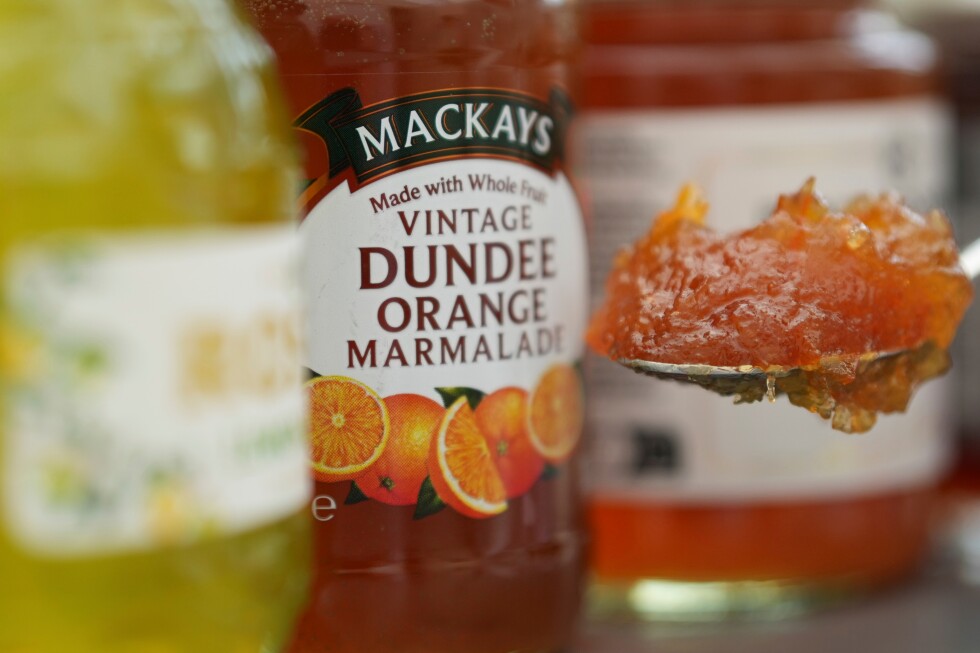
British lawmakers are embroiled in an unexpected debate over marmalade, as the nation grapples with potential changes to the definition of the quintessentially British breakfast spread amid shifting relations with the European Union.
The controversy erupted Wednesday in the House of Commons, where parliamentarians expressed concerns about the future of the citrus-based preserve following reports that Prime Minister Keir Starmer’s government might adopt EU food labeling standards as part of efforts to foster closer economic ties with the bloc.
Marmalade holds a special place in British culture, transcending its role as merely a breakfast accompaniment. The orange spread gained renewed cultural significance through its association with beloved children’s book character Paddington Bear, whose fondness for marmalade sandwiches is legendary. This cultural importance was further cemented when the late Queen Elizabeth II appeared alongside the fictional bear in a widely celebrated comedy sketch during her 2022 Platinum Jubilee celebrations.
The current controversy stems from differences between British and European definitions of marmalade. In the UK, marmalade traditionally refers specifically to preserves made from citrus fruits, most commonly oranges. However, in several European countries, particularly Germany, the term “marmalade” (or its local equivalent) is applied more broadly to all fruit preserves.
When Britain was part of the EU, it had successfully pushed for rules specifying that only citrus-based preserves could carry the marmalade label within the bloc. Following Brexit, however, the EU relaxed this regulation, allowing member states to use “marmalade” for non-citrus preserves as long as the fruit type is clearly identified.
British tabloids, including the Daily Mail, have seized on the issue with characteristic fervor. “What would Paddington think!” the newspaper exclaimed earlier this month. Conservative foreign affairs spokeswoman Priti Patel went further, accusing the government of “attacking the great British marmalade” – language that frames the issue as another chapter in Britain’s complex post-Brexit relationship with EU regulations.
Democratic Unionist Party lawmaker Jim Shannon lamented during the parliamentary debate that this represented “EU labeling interfering with our produce,” reflecting broader concerns about regulatory sovereignty that fueled the Brexit movement.
The government, however, has sought to downplay the controversy. Food Security Minister Angela Eagle told Parliament that while there would be “a small change to our marmalade description rules,” the “real-world impact would be minimal and consumers are unlikely to notice any difference.” She noted that most British marmalade is already labeled as “orange marmalade” or “Seville orange marmalade,” effectively complying with EU requirements.
Liberal Democrat MP Tessa Munt, who called for the parliamentary debate, expressed more concern about protecting the integrity of what she described as a “distinctly British product.” She urged the government to ensure that “only citrus fruits can precede the word marmalade on labels,” revealing her dismay at seeing “strawberry marmalade and all sorts of pear marmalade” in an upmarket grocery store. “This is rubbish,” she declared emphatically. “There’s no such thing.”
The marmalade controversy illustrates the ongoing challenges Britain faces in establishing its post-Brexit regulatory framework, particularly in areas where cultural identity intersects with trade policy. As the UK seeks to maintain access to European markets while asserting its regulatory independence, even seemingly mundane products like breakfast preserves can become potent symbols in the ongoing dialogue about British sovereignty and identity.
For the British food industry, any changes to labeling requirements could necessitate production adjustments, though the government’s assessment suggests these would be minimal. Meanwhile, consumers are unlikely to see significant differences in their morning ritual of spreading the tangy orange preserve on toast – regardless of what the label might eventually say.
Fact Checker
Verify the accuracy of this article using The Disinformation Commission analysis and real-time sources.

14 Comments
This is a fascinating clash of cultures and bureaucracies. Marmalade may seem like a trivial issue, but it speaks to the challenges of reconciling British identity with the realities of international trade and regulation. I’ll be following this story with great interest.
Well said. Marmalade is more than just a breakfast food – it’s a symbol of British heritage and tradition. The government will need to balance pragmatic concerns with public sentiment on this one.
This is a fascinating clash between bureaucratic definitions and cultural identity. Marmalade may seem like a trivial issue, but it speaks to the deeper tensions of post-Brexit Britain adapting to new realities. I’m curious to see how lawmakers navigate this delicate situation.
You make a good point. Marmalade is more than just food – it’s a symbol of national pride. The government will have to tread carefully to avoid a public backlash if they do end up aligning with EU standards.
This is quite an unexpected controversy! Marmalade is such a beloved British institution, it’s surprising to see lawmakers debating its definition. I wonder how the public will respond if the government aligns with EU food standards.
I imagine there will be quite a backlash if the traditional British marmalade recipe is altered. Marmalade is part of the national culinary heritage.
Interesting to see the political wrangling over something as quintessentially British as marmalade. I wonder if this is just the tip of the iceberg when it comes to harmonizing food regulations post-Brexit. Curious to see how this plays out.
Ah, the trials and tribulations of international food regulations. While harmonizing standards can have benefits, I hope the UK can find a way to preserve the unique character of British marmalade. It’s more than just a spread – it’s part of the cultural fabric.
Ah, the trials and tribulations of international food regulations. While harmonizing standards can have benefits, I hope the UK can find a way to preserve the unique character of British marmalade. It’s more than just a spread – it’s part of the cultural fabric.
Agreed. Marmalade’s association with Paddington Bear gives it an almost iconic status. Any changes to the recipe would likely face fierce public resistance.
This is a fascinating clash of cultures and bureaucracies. Marmalade may seem like a trivial issue, but it speaks to the challenges of reconciling British identity with the realities of international trade and regulation. I’ll be following this story with great interest.
Interesting to see the political wrangling over something as quintessentially British as marmalade. I wonder if this is just the tip of the iceberg when it comes to harmonizing food regulations post-Brexit. Curious to see how this plays out.
Absolutely. Marmalade may seem like a small issue, but it touches on deeper questions of national identity and culinary traditions. The government will need to tread carefully here.
This is quite an unexpected controversy! Marmalade is such a beloved British institution, it’s surprising to see lawmakers debating its definition. I wonder how the public will respond if the government aligns with EU food standards.