


Listen to the article
Bolivia Eliminates Visa Requirements for U.S. and Israeli Citizens in Tourism Push
Bolivia’s first conservative government in nearly two decades has eliminated visa requirements for citizens from the United States, Israel, South Korea, South Africa, and several Eastern European nations, marking a significant shift in the country’s foreign policy and economic strategy.
Travelers from these nations can now enter Bolivia with just a valid passport for stays up to 90 days, a move that represents a clear break from the policies of previous leftist administrations. The change took effect Monday as part of President Rodrigo Paz’s broader effort to revitalize Bolivia’s struggling economy and rebuild diplomatic ties with Western nations.
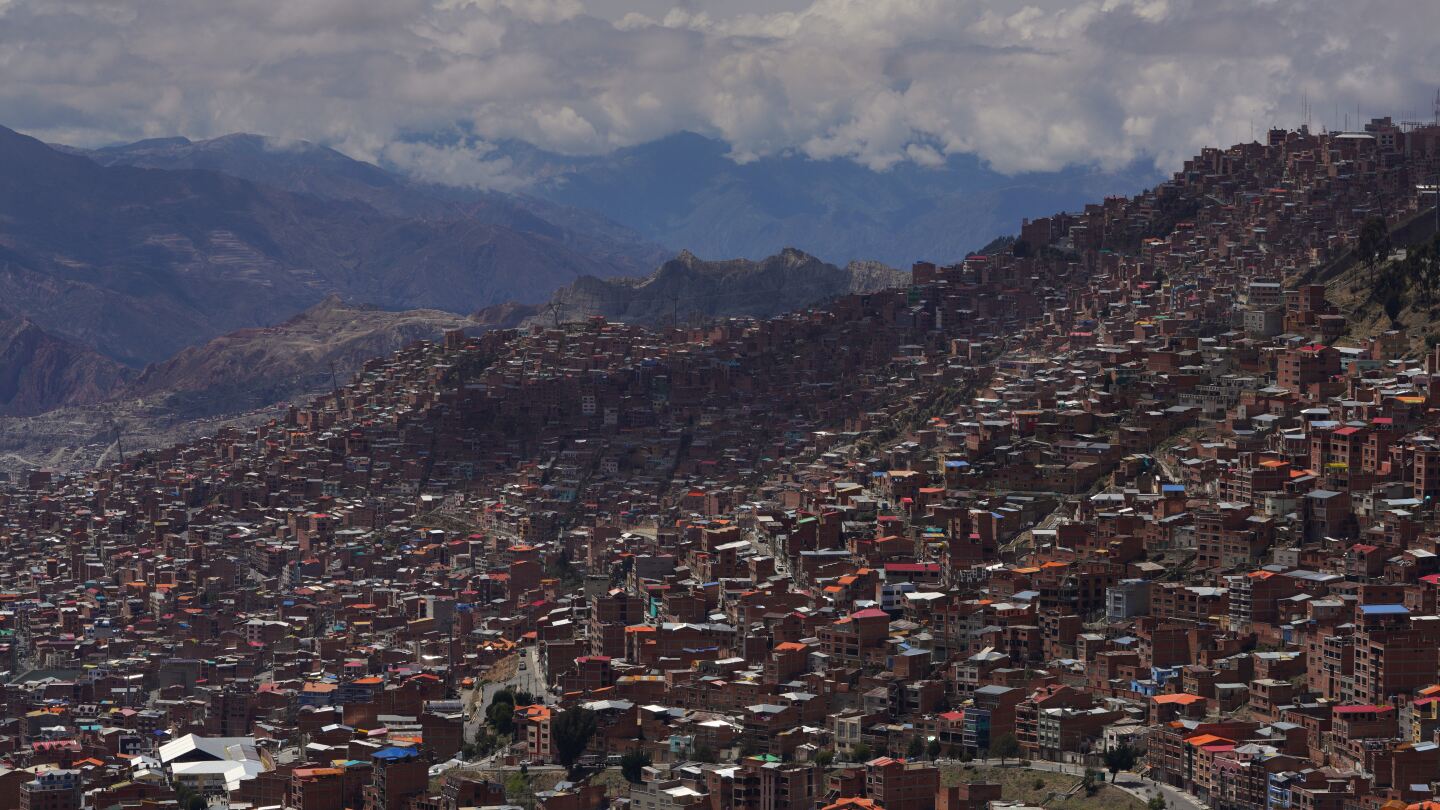
Bolivia, despite boasting some of South America’s most spectacular natural attractions—including 20,000-foot Andean peaks, Amazon rainforests, and the world’s largest salt flats at Salar de Uyuni—has long been overshadowed by neighboring tourist destinations in Brazil and Peru.
“We must restore the world’s confidence in Bolivia being a suitable and safe country to visit,” Foreign Minister Fernando Aramayo told reporters when announcing the policy shift. Officials estimate that Bolivia lost approximately $900 million in potential tourism revenue since visa restrictions were implemented in 2007, and they project an $80 million boost to the tourism sector over the next four years as a result of the new measures.
The visa policy reversal is particularly noteworthy given Bolivia’s complex history with the United States and Israel. Relations deteriorated significantly during the presidency of Evo Morales (2006-2019), who expelled the U.S. ambassador and Drug Enforcement Administration from Bolivia while implementing visa requirements for American citizens. Morales cited the principle of reciprocity, noting that Bolivians face a costly $185 fee and complex application process when seeking U.S. visas.
Similarly, Morales severed diplomatic ties with Israel during the 2014 Gaza conflict and imposed visa requirements on Israeli travelers. During this period, Bolivia strengthened its relationships with Russia, China, and Venezuela as part of its pivot away from Western alignment.
The current visa policy change comes as Bolivia faces severe economic challenges, including a critical shortage of U.S. dollars that has hampered imports and significantly slowed economic activity. President Paz, who took office last month after defeating the long-ruling Movement Toward Socialism (MAS) party, has moved quickly to implement market-friendly reforms in an attempt to address what economists describe as Bolivia’s worst financial crisis in four decades.
Last week, Paz announced the elimination of certain corporate and wealth taxes while outlining plans to increase government borrowing—measures intended to stimulate economic growth and attract foreign investment. The visa policy change aligns with this broader economic liberalization agenda.
Bolivia’s political landscape has experienced dramatic swings in recent years. After Morales resigned in 2019 following mass protests over alleged electoral fraud, right-wing interim President Jeanine Áñez briefly eliminated visa requirements for Americans and Israelis. However, when Luis Arce—Morales’ political ally from the MAS party—took office in 2020, he promptly reinstated the restrictions.
Despite the new government’s tourism push, the U.S. State Department maintains a Level 2 travel advisory for Bolivia, urging visitors to “exercise increased caution” due to potential civil unrest. The advisory elevates to Level 4 (“Do Not Travel”) for the coca-growing Chapare region, where former President Morales is reportedly hiding to evade arrest on allegations of statutory rape.
As Bolivia attempts to reposition itself on the international stage, the elimination of visa requirements represents both a practical economic measure and a symbolic shift in the country’s geopolitical orientation after nearly two decades of leftist governance.
Fact Checker
Verify the accuracy of this article using The Disinformation Commission analysis and real-time sources.

22 Comments
If AISC keeps dropping, this becomes investable for me.
The cost guidance is better than expected. If they deliver, the stock could rerate.
If AISC keeps dropping, this becomes investable for me.
Good point. Watching costs and grades closely.
Good point. Watching costs and grades closely.
Interesting update on Bolivia eases visa requirements for US and Israeli travelers. Curious how the grades will trend next quarter.
Good point. Watching costs and grades closely.
Nice to see insider buying—usually a good signal in this space.
Exploration results look promising, but permitting will be the key risk.
Good point. Watching costs and grades closely.
Exploration results look promising, but permitting will be the key risk.
Good point. Watching costs and grades closely.
Good point. Watching costs and grades closely.
Exploration results look promising, but permitting will be the key risk.
Good point. Watching costs and grades closely.
Good point. Watching costs and grades closely.
I like the balance sheet here—less leverage than peers.
Good point. Watching costs and grades closely.
Nice to see insider buying—usually a good signal in this space.
Good point. Watching costs and grades closely.
If AISC keeps dropping, this becomes investable for me.
Good point. Watching costs and grades closely.