


Listen to the article
Bangladesh Launches Emergency Vaccination Campaign as Measles Outbreak Claims Over 100 Children
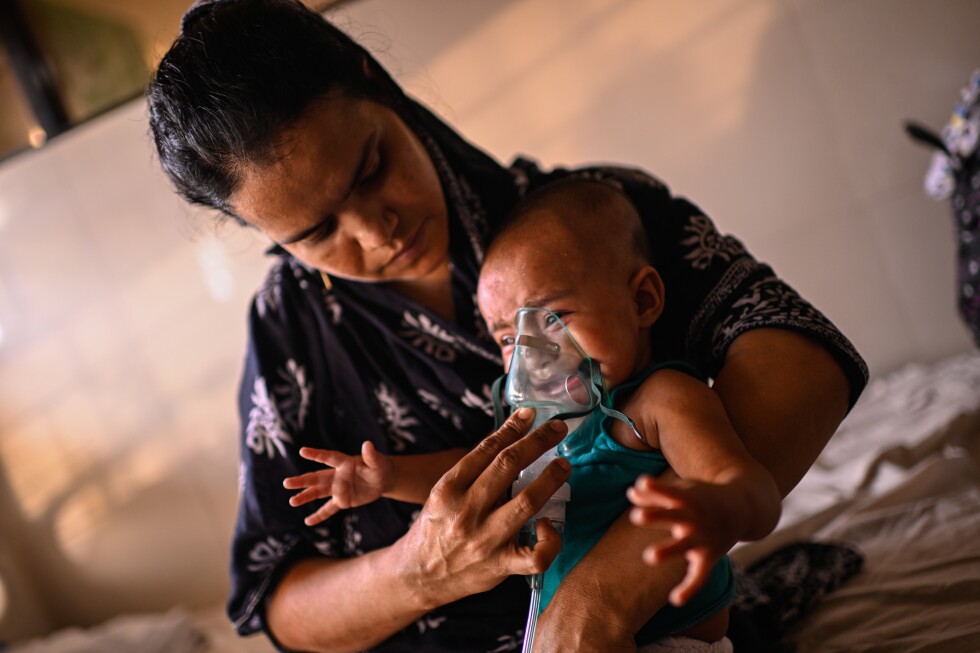
Bangladesh has initiated an emergency vaccination program against measles and rubella as health authorities scramble to contain a severe outbreak that has claimed the lives of more than 100 children in less than a month.
The government, in partnership with the World Health Organization, UNICEF, and the Gavi vaccine alliance, began vaccinating children aged 6 months to 5 years old in 18 high-risk districts on Sunday. Officials plan to expand the campaign nationwide in phases beginning next month.
UNICEF representative Rana Flowers expressed deep concern about the rapid increase in cases, noting that the outbreak is “putting the youngest and most vulnerable children at serious risk.”
“This resurgence highlights critical immunity gaps, particularly among zero-dose and under-vaccinated children,” Flowers said. “Infections among infants under nine months, who are not yet eligible for routine vaccination, are especially alarming.”
Health authorities have confirmed more than 900 cases of measles among approximately 7,500 suspected cases reported since mid-March. Bangladesh, home to more than 170 million people, has struggled to maintain consistent vaccination coverage amid recent political turbulence.
Measles spreads through airborne transmission and causes fever, respiratory symptoms, and a characteristic rash. The disease can lead to severe complications or death, particularly in young children. According to the WHO, preventing community transmission requires at least 95% of the population to be vaccinated.
The current health crisis has become politically charged, with Health Minister Sardar Mohammed Sakhawat Husain blaming previous administrations for mismanagement. Speaking to Parliament on Monday, Husain accused the government of ousted Prime Minister Sheikh Hasina and the subsequent interim government led by Nobel Peace Prize laureate Muhammad Yunus of failing to maintain adequate vaccine stockpiles.
This alleged mismanagement, according to Husain, resulted in shortages affecting vaccines for measles and six other diseases, creating vulnerability to the current outbreak.
Bangladesh’s vaccination program faced significant disruptions during the country’s recent political upheaval. Hasina was removed from power during a mass uprising in 2024, after which Yunus headed an interim administration that transferred power to an elected government following February elections.
Medical professionals are urging parents to seek immediate hospital care for children showing symptoms rather than relying on local remedies or over-the-counter medications.
“They should avoid taking medicine from shopkeepers unnecessarily,” warned F.A. Asma Khan, deputy director of the Infectious Diseases Hospital in Dhaka. “If a child has a high fever — 101, 102, 103, 104 degrees Fahrenheit or higher than 38.3 Celsius — they must take the child to a hospital as soon as possible.”
Bangladesh had previously made significant progress in immunization since launching a national campaign in 1979, raising the coverage of fully immunized children from a mere 2% to 81.6%. This achievement represented one of the country’s major public health successes.
However, UNICEF warned last year that despite these overall improvements, significant disparities in vaccine coverage persist across different regions and demographic groups within Bangladesh. These gaps have created pockets of vulnerability where disease outbreaks can take hold.
The current outbreak underscores the fragility of public health achievements and the need for consistent vaccination efforts regardless of political transitions. Health experts emphasize that sustained immunization programs are essential for preventing the resurgence of preventable diseases like measles, which remain a significant threat to child health globally.
As the emergency vaccination campaign proceeds, health officials are closely monitoring its effectiveness and working to strengthen the country’s routine immunization system to prevent similar outbreaks in the future.
Fact Checker
Verify the accuracy of this article using The Disinformation Commission analysis and real-time sources.

9 Comments
It’s tragic to see so many young lives lost to this measles outbreak in Bangladesh. The government’s emergency vaccination campaign is a crucial step, but they will need sustained efforts and resources to reach all vulnerable populations and prevent future outbreaks.
I agree, this underscores the need for robust and accessible vaccination programs, especially in developing countries. Strengthening healthcare infrastructure and public awareness will also be important.
This is a concerning development in Bangladesh. Measles can be a serious and deadly illness, especially for young children. The government’s emergency vaccination campaign is a necessary step to protect vulnerable populations and control the outbreak.
I hope the vaccination drive is able to reach all high-risk areas quickly and effectively. Containing measles outbreaks is critical for public health.
This outbreak highlights the importance of maintaining high vaccination rates to prevent the resurgence of vaccine-preventable diseases like measles. I hope the Bangladeshi government’s efforts, with international support, can quickly bring this situation under control.
It’s alarming to see over 100 children lose their lives to this measles outbreak. The high infection rate, especially among infants, is especially troubling. Bangladesh needs all the support it can get to ramp up vaccination efforts and prevent further loss of life.
The collaboration with international organizations like WHO and UNICEF will be key to the success of this emergency campaign. Ensuring high vaccine coverage, especially in remote areas, will be crucial.
This measles outbreak in Bangladesh is a sobering reminder of the devastating impact vaccine-preventable diseases can have, particularly on children. I hope the emergency vaccination drive is successful in curbing the spread and saving lives.
Measles is a highly contagious disease that can have devastating effects, especially on young, unvaccinated children. Bangladesh’s swift response to launch this nationwide vaccination drive is commendable and necessary to protect public health.