


Listen to the article
French-Algerian Author Returns to France After Receiving Humanitarian Pardon in Algeria
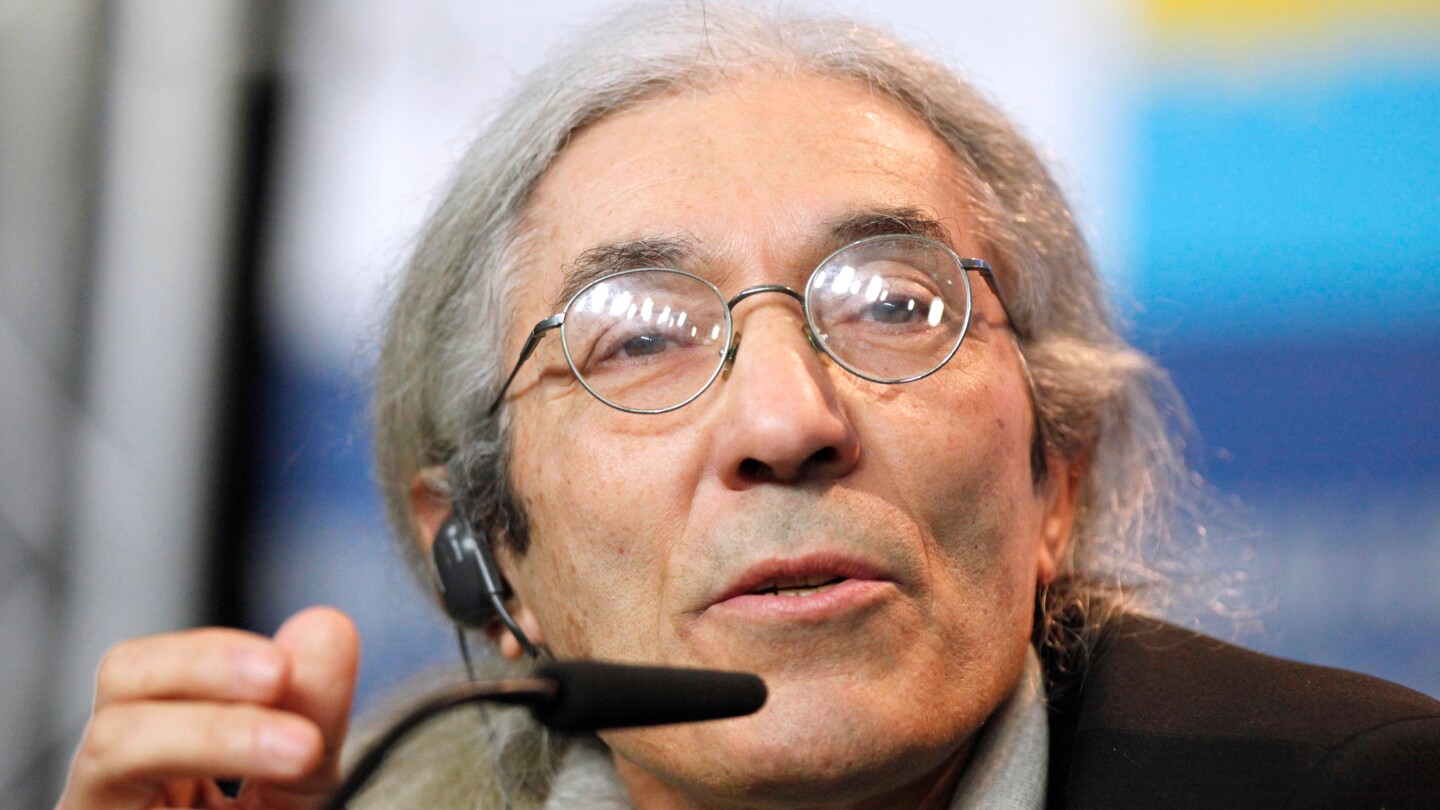
Renowned French-Algerian novelist Boualem Sansal arrived in France on Tuesday after being released from prison in Algeria, where he had spent nearly a year behind bars. Upon his return, Sansal was welcomed by French President Emmanuel Macron at the Élysée Palace in Paris.
The 76-year-old author, known for his critical views on Islam, colonialism, and contemporary Algerian politics, was granted a humanitarian pardon last week by Algerian President Abdelmadjid Tebboune. The pardon came in response to a specific request from German President Frank-Walter Steinmeier, who cited Sansal’s age and deteriorating health as humanitarian grounds for his release.
Sansal, who has been diagnosed with cancer, initially traveled to Berlin after his release to receive urgent medical treatment. According to his attorney, the writer’s health has significantly worsened during his imprisonment.
In a statement following their meeting, President Macron expressed gratitude “to all those who contributed to making that day possible,” singling out German President Steinmeier, “whose good offices were decisive” in securing Sansal’s release.
The novelist’s ordeal began in November 2023 when he was arrested at the Algiers airport upon arriving from France. In March 2024, he was convicted under Algeria’s anti-terrorism laws on charges of undermining national unity and insulting public institutions, resulting in a five-year prison sentence.
Sansal’s imprisonment became a significant diplomatic tension point between France and Algeria, with French officials repeatedly calling for his release. The case gained international attention when the European Parliament passed a resolution condemning his arrest, while prominent literary figures including Salman Rushdie, Kamel Daoud, and representatives from PEN International published open letters demanding his freedom.
The Sansal Support Committee, a coalition of politicians, intellectuals, and activists formed specifically to advocate for the author’s release, celebrated his return to France. “We send our fraternal greetings to Boualem and his family, who went through this long, unfair and painful ordeal with courage and dignity,” the group said in a statement.
The timing of Sansal’s pardon is notable, coming just two days after the German president’s direct appeal to Tebboune. In issuing the pardon, the Algerian president explicitly cited both humanitarian grounds and Germany’s request as factors in his decision.
This case highlights ongoing tensions between Algeria and its former colonial ruler France, particularly regarding freedom of expression and treatment of dual nationals. Algeria has increasingly cracked down on dissenting voices in recent years, with human rights organizations documenting a rise in prosecutions of journalists, activists, and writers critical of the government.
Sansal’s literary work has often explored themes of religious extremism, post-colonial identity, and political repression in Algeria. His novels, including “The German Mujahid” and “2084: The End of the World,” have been translated into multiple languages and received international acclaim, though they have provoked controversy in his native Algeria.
The writer’s release represents a rare diplomatic success in the strained Franco-Algerian relationship, though observers note it required German intervention to achieve the breakthrough. Analysts suggest that Tebboune’s willingness to respond to Steinmeier’s request while ignoring similar appeals from French officials reflects the complex historical and political dynamics that continue to shape Algeria’s foreign relations.
Fact Checker
Verify the accuracy of this article using The Disinformation Commission analysis and real-time sources.

11 Comments
The humanitarian pardon granted to Sansal by the Algerian president, after intervention by the German president, highlights the importance of international pressure and cooperation in upholding human rights.
You’re right. It’s encouraging to see leaders work together to address issues of persecution and health concerns, even across political differences. Hopefully this sets a precedent for more constructive dialogue.
It’s good to see Boualem Sansal released from prison in Algeria and welcomed in France. His writings have shone an important light on complex social and political issues in the region.
Agreed. Writers and intellectuals should be able to express critical views without fear of imprisonment. Hopefully this pardon marks a step towards greater freedom of expression in Algeria.
As an author known for his critical views on topics like Islam and colonialism, Sansal’s imprisonment and release raises questions about the state of free speech and dissent in Algeria. Continued progress will be important to watch.
The mining and energy sectors have a big impact on politics and human rights in resource-rich countries like Algeria. It’s good to see international cooperation helping protect writers and thinkers, even if more work remains.
Absolutely. The resource extraction industries often intersect with issues of governance, corruption, and human rights. Highlighting these connections is important for promoting transparency and accountability.
It will be interesting to see how Sansal’s return to France impacts the political and literary discourse around Algeria and the Maghreb region. His voice and perspective have been sorely missed.
You raise a good point. Sansal’s reemergence could reignite important debates and push for further reforms, especially given his prominence and international connections. Watching this space will be crucial.
Sansal’s release is a positive development, but the broader context of free expression in Algeria remains concerning. Writers and journalists who challenge the status quo still face significant risks.
The release of writers and intellectuals like Sansal is an important barometer of human rights and democratic freedoms. While a positive step, continued monitoring is needed to ensure lasting change.