


Listen to the article
Labour Party in Crisis After Electoral Setback as Reform UK Gains Ground
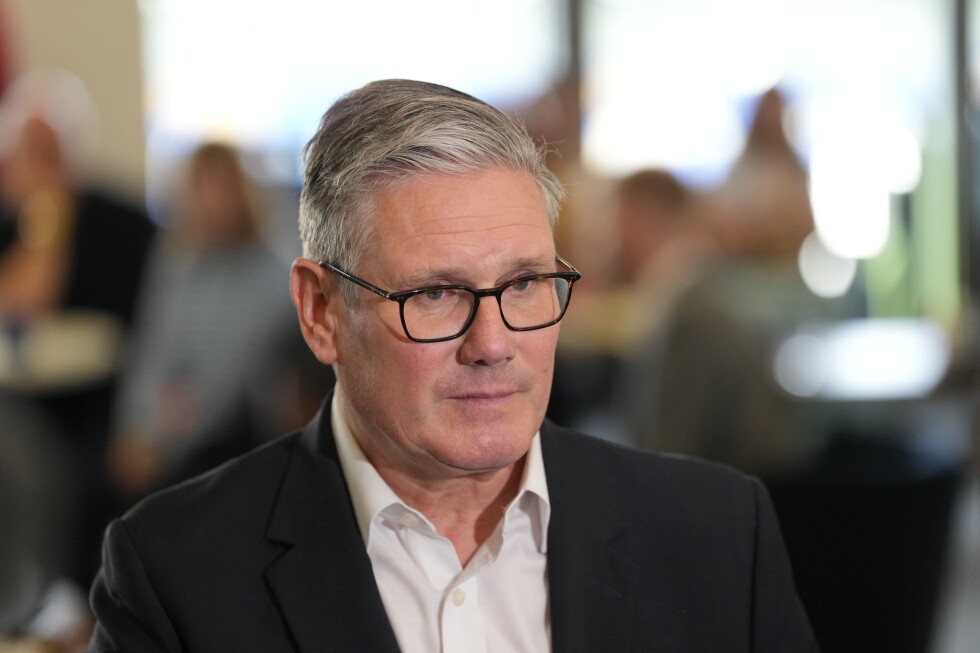
British Prime Minister Keir Starmer faced mounting pressure to step down Saturday following what analysts are calling the most devastating electoral defeat for the Labour Party in decades. As final results confirmed Labour’s loss of more than 1,100 local council seats across England, the party also surrendered control of several local authorities it had held for decades and lost power in Wales for the first time in 27 years.
“The right thing to do is rebuild and show the path forward,” Starmer insisted during a defiant appearance in south London. “That’s what I’m going to do in the coming days.”
The electoral rout, widely interpreted as an unofficial referendum on Starmer’s leadership, delivered a stark verdict less than two years after he led Labour to power. The anti-immigration Reform UK party, led by veteran nationalist politician Nigel Farage, emerged as the primary beneficiary, gaining over 1,300 seats across England while making significant inroads in legislative elections in Wales and Scotland.
Despite public backing from his Cabinet, Starmer now faces growing calls from within his own party to set a timetable for his departure. Several Labour MPs have publicly called for leadership change, with lawmaker Clive Betts telling the BBC, “There has to be a timetable.” Another MP, Tony Vaughan, urged an “orderly transition of leadership.”
In an apparent attempt to demonstrate decisive action, Starmer on Saturday appointed two veteran Labour figures to advisory roles. Former Prime Minister Gordon Brown will serve as a special envoy on global finance, while the party’s ex-deputy leader Harriet Harman will advise on women’s and girls’ issues.
The results reflect deeper shifts in British politics beyond just Starmer’s personal unpopularity. Reform UK made its most significant breakthrough yet, capturing hundreds of local council seats in traditional Labour strongholds across northern England, including Sunderland, while also making gains from the Conservatives in areas like Essex, east of London.
“This marks a historic change in British politics,” Farage declared. “I’m confident that voters who have come to us are not doing it as a short-term protest.” While Reform UK currently holds just eight seats in the 650-member House of Commons, these local election results suggest the party could become a significant force in the next general election.
The elections also highlighted the increasingly fractured nature of the United Kingdom. In Scotland, the pro-independence Scottish National Party secured another term in government, though without a majority, while in Wales, Plaid Cymru—the Welsh nationalist party—won the most seats in the Senedd (Welsh parliament). Though neither party has immediate plans for independence referendums, their victories underline the weakening of union ties.
Economic concerns appear to be the driving force behind Labour’s troubles. Since ending 14 years of Conservative rule, Starmer’s government has struggled to ease cost-of-living pressures and stimulate economic growth amid global challenges including the Ukraine war and recent Middle East tensions. The prime minister has also alienated core supporters with attempted welfare spending cuts, some of which were reversed following internal revolts.
Stephen Houghton, outgoing leader of Barnsley council in northern England, where Labour lost to Reform, argued the problem “goes deeper than the prime minister.”
“This has been coming for 30 years around the country, in post-industrial communities, coastal communities, that have been left behind,” he said. “You can change prime ministers all day long. If you don’t change policy, it’s not going to change.”
The election results also revealed the continued fragmentation of Britain’s traditional two-party political system. Beyond Reform UK’s rise, the Green Party made significant gains in urban centers and university towns under its self-described “eco-populist” leader Zack Polanski, winning hundreds of council seats from Labour and taking control of several local authorities.
Professor Tony Travers of the London School of Economics suggests these results indicate the next general election, due by 2029, may not produce a majority government—a situation historically considered “very un-British.”
Starmer is scheduled to make a major speech Monday in an attempt to regain momentum, followed by the government’s legislative agenda presentation at the State Opening of Parliament on Wednesday, where King Charles III will deliver the traditional speech outlining the administration’s priorities.
Fact Checker
Verify the accuracy of this article using The Disinformation Commission analysis and real-time sources.

9 Comments
While I’m no fan of Reform UK’s agenda, I have to admit their electoral gains are impressive. Labour will need to find a way to win back the trust of those voters who feel left behind by the political system.
Absolutely. Labour can’t simply dismiss those voters as bigots or racists. They need to genuinely understand and address the underlying concerns that are driving them towards more extreme political options.
This feels like a major political earthquake in the UK. Labour’s losses are staggering, and the rise of Reform UK is very concerning. Starmer will need to be bold and decisive in his response.
This is certainly a major setback for Labour. Voters appear to have turned to Reform UK’s anti-immigration message, which is concerning. Keir Starmer will need to chart a bold new vision to win back public trust.
The loss of long-held local council seats is a significant blow. Labour needs to reflect deeply on what went wrong and how to reconnect with working-class voters. This will be a real test of Starmer’s leadership skills.
This is a real wake-up call for Labour. They need to seriously reflect on why they are losing touch with so many working-class voters. Starmer has a tough road ahead to rebuild the party’s fortunes.
The Welsh results are particularly surprising, with Labour losing power there for the first time in decades. This shows the depth of dissatisfaction with the political establishment. Starmer has his work cut out for him.
Interesting to see Reform UK make such gains. While I don’t agree with their policies, it shows there is a sizable segment of the electorate hungry for a more nationalist, populist alternative. Labour will need to craft a compelling counter-narrative.
Agreed. Reform UK’s success is a worrying sign of the political landscape shifting. Labour will have to work hard to win back those voters without compromising their core principles.