


Listen to the article
Biden’s Legal Team Set to Block Release of Audio Recordings with Ghostwriter
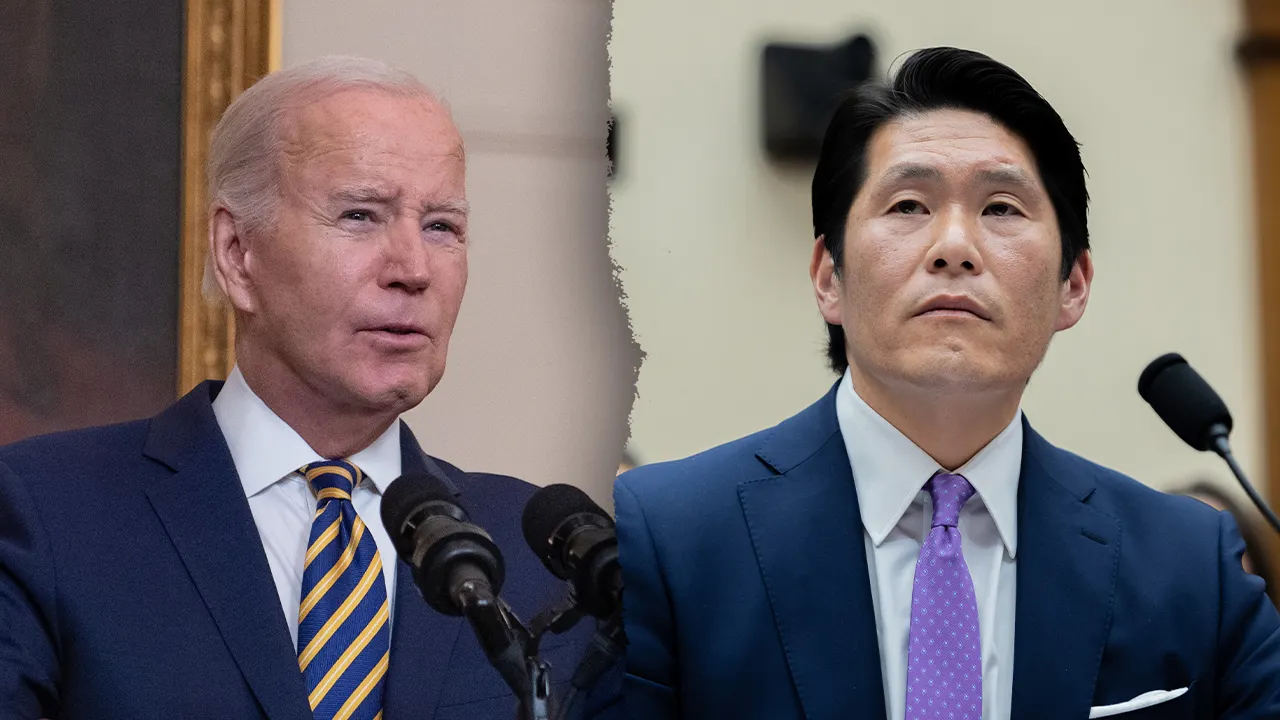
President Joe Biden’s lawyers are preparing to intervene to prevent the Justice Department from releasing redacted transcripts and audio recordings of Biden’s 2017 conversations with his ghostwriter, according to a new court filing in a Freedom of Information Act (FOIA) case.
“President Biden, through counsel, has advised the Department that he intends to seek to intervene to prevent any such disclosures,” wrote Assistant Attorney General Brett Shumate in a filing related to a FOIA request from the Heritage Foundation’s Mike Howell. The Justice Department indicated it “does not oppose intervention.”
The deadline for Biden’s legal team to formally object to the release is Tuesday. Without an objection, the materials would be released shortly afterward. However, if Biden’s lawyers file their expected objection, the release of approximately 70 hours of redacted recordings would be delayed until at least June 15.
The recordings in question document conversations between Biden and his ghostwriter for his 2017 memoir, “Promise Me, Dad: A Year of Hope, Hardship, and Purpose.” These materials were obtained during Special Counsel Robert Hur’s investigation into Biden’s handling of classified documents after leaving the Obama administration. Hur’s investigation found that Biden had stored classified materials in his garage and at the Penn Biden Center.
Biden spokesman TJ Ducklo defended the planned intervention, stating: “President Biden cooperated fully with special counsel Hur, and agreed to provide audiotapes of conversations with his biographer for a book about his deceased son on the condition that they would not be made public.” Ducklo added that the DOJ itself had previously stated these tapes “serve no public interest.”
Ducklo characterized the current push for release as politically motivated rather than transparency-driven. “If this Administration were genuinely committed to transparency, they would release Volume 2 of Special Counsel Jack Smith’s report on Donald Trump’s own alleged mishandling of classified documents,” he said.
The Heritage Foundation’s Mike Howell, who filed the original FOIA request, countered that the recordings “will further prove the massive lie regarding Biden’s fitness for office and the fact Biden revealed classified information.” Howell criticized Biden’s team for using “every delay tactic possible” to prevent Americans from accessing the materials.
In the court filing, Shumate noted that “after lengthy negotiation covering several months,” Biden has now changed his position and “seeks to even enjoin release of the portions of transcripts that match exact phrases quoted in the Hur Report.” The DOJ also accused Biden’s legal team of deliberately slow-walking responses and rejecting deadlines throughout the process.
The filing stated that “President Biden’s lead counsel was unable to provide any information about President Biden’s submissions,” claiming such discussions were “premature” despite being “16 months late.” The DOJ criticized this approach as “no way to conduct litigation” and suggested it “smacks of kicking the can down the road” to justify further delays.
The recordings have taken on heightened significance following Special Counsel Hur’s characterization of Biden as “a sympathetic, well-meaning, elderly man with a poor memory” in his final report. Hur concluded his investigation without recommending charges, citing longstanding DOJ policy against indicting sitting presidents and suggesting a jury would likely be sympathetic to the 82-year-old president.
The DOJ filing emphasized that “the public deserves to hear the tapes and read the transcripts as redacted by President Donald J. Trump’s Department of Justice,” while expressing frustration over “the repeated failure of counsel for President Biden to engage with Plaintiffs on this matter.”
The Tuesday deadline looms as both sides prepare for what could be a contentious legal battle over these recordings, the contents of which remain largely unknown to the public.
Fact Checker
Verify the accuracy of this article using The Disinformation Commission analysis and real-time sources.

13 Comments
This seems like a complex issue with valid arguments on both sides. While I appreciate the desire for openness, I can understand Biden’s team wanting to protect sensitive personal information. The courts will have to carefully balance these competing interests.
This is an interesting development. The public deserves transparency, but Biden may have valid concerns about personal privacy. The recordings could provide valuable historical insight, but we should respect due process.
Agreed. The legal battle over the release will certainly be closely watched.
The public has a right to know what their elected leaders are saying and doing, especially regarding important policy decisions. While I understand the desire for personal privacy, blocking the release of these recordings seems to undermine the principles of transparency and accountability.
Well said. Transparency should be the default, and the public deserves to see these recordings unless there are truly compelling reasons to keep them private.
I’m curious to learn more about the contents of these recordings and what they might reveal about Biden’s decision-making and interactions during that period. Transparency is important, but we must also respect the privacy of public figures. The legal battle will be interesting to follow.
Agreed. It’s a delicate balance, and the courts will need to carefully consider the public’s right to know against the privacy concerns of the individuals involved.
It’s concerning to see Biden’s team attempting to block the release of these recordings. The public deserves to know what their elected leaders are saying and doing, especially regarding important policy decisions. Transparency should be the default.
I agree. Blocking the release sets a troubling precedent and erodes public trust. The recordings should be made public unless there are truly compelling privacy concerns.
This is an intriguing development. I’m curious to learn what the recordings might reveal about Biden’s decision-making and interactions during that period. While privacy is important, the public interest in understanding their leaders’ actions should take priority.
I’m curious to learn more about the contents of these recordings. What could they reveal about Biden’s interactions and decision-making during that period? The public has a right to understand their elected leaders.
A fair point. Transparency is important, but the privacy interests of public figures must also be weighed carefully.
This is a complex issue with valid arguments on both sides. While I appreciate the desire for transparency, I can understand Biden’s team wanting to protect sensitive personal information. The courts will have to carefully weigh the competing interests involved.