


Listen to the article
After nearly vanishing from Kenya’s forests, the elusive bongo antelope is staging a remarkable comeback through an ambitious conservation program that has caught the attention of wildlife experts worldwide.
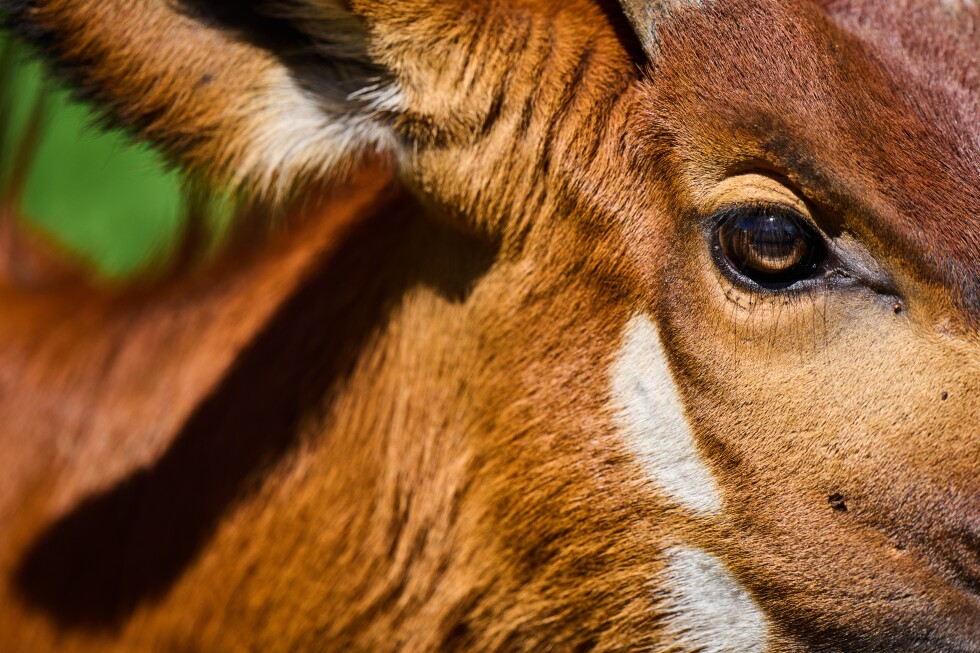
The mountain bongo, recognizable by its striking reddish-brown coat adorned with vibrant white stripes, had teetered on the brink of extinction in Kenya for decades. Hunting pressure and habitat destruction reduced the population to fewer than 100 individuals in the wild, earning the species its haunting nickname: “the ghost of the forest.”
“When I started working in conservation 15 years ago, spotting a wild bongo was considered nearly impossible,” says James Kariuki, a senior wildlife officer with the Kenya Wildlife Service. “Most Kenyans had never seen one outside of textbooks or zoo enclosures.”
The tide began to turn in 2004 when the Mount Kenya Wildlife Conservancy launched a dedicated breeding program using 18 bongos whose ancestors had been exported to American zoos in the 1970s. These animals, descendants of Kenya’s original bongo population, became the genetic foundation for what would become one of Africa’s most ambitious species reintroduction efforts.
After years of careful breeding and acclimatization, the conservancy now maintains a healthy population of over 100 bongos. The first group of these majestic antelopes was successfully released into the wild in March 2022, marking a watershed moment for Kenya’s conservation efforts.
“The bongo represents so much more than just another species,” explains Dr. Elizabeth Wambui, a conservation biologist who has spent eight years with the program. “It’s an iconic forest dweller that plays a crucial role in seed dispersal and maintaining the health of our mountain forests.”
The animal’s natural habitat spans the dense bamboo forests of Mount Kenya, the Aberdares, and the Mau complex – ecosystems that serve as critical water towers for Kenya’s agricultural heartland and urban centers. Conservation officials note that protecting the bongo necessarily means safeguarding these vital watersheds.
Tourism officials also see potential economic benefits from the bongo’s return. Kenya Wildlife Service estimates that wildlife tourism could increase by up to 15% in regions where visitors might glimpse the rare antelope, bringing much-needed revenue to communities near the forest edges.
The journey hasn’t been without challenges. Predators, primarily leopards, have claimed several reintroduced bongos. Human encroachment continues to threaten forest boundaries, while climate change has altered rainfall patterns across the bongo’s historic range.
“We’ve had to adapt our approach continuously,” notes Paul Gathitu, head ranger at the Mount Kenya sanctuary. “Each released animal carries a GPS collar, allowing us to monitor movements and respond quickly to threats. We’ve also engaged extensively with local communities, recruiting forest guardians from villages that border bongo habitat.”
These community connections represent a crucial element of the conservation strategy. Schools in central Kenya now include bongo education in their curriculum, while former poachers have been hired as trackers, using their intimate knowledge of the forest to protect rather than hunt the animals.
International support has bolstered these efforts. The European Union provided €2.1 million in funding for habitat protection in 2021, while zoological institutions in North America contribute technical expertise and genetic testing to ensure the breeding program maintains diversity.
Wildlife photographers have played an unexpected role in the bongo’s restoration. Images of the antelope, with its spectacular horns and distinctive patterning, have gone viral on social media platforms, raising global awareness and attracting donors to the cause.
“When people see these magnificent creatures, something changes in their perspective,” says Wangari Maina, a wildlife photographer who specializes in documenting elusive forest species. “The bongo is so photogenic, so distinctively Kenyan, that it becomes a powerful ambassador for all our endangered wildlife.”
Conservation authorities aim to establish a self-sustaining wild population of at least 750 bongos by 2030, a goal that seems increasingly achievable with each successful release. For now, each sighting of a bongo in its natural habitat represents a small victory in the larger battle for biodiversity conservation.
As the sun filters through the bamboo canopy of Mount Kenya’s forests, the flash of russet fur and white stripes offers a glimpse of hope – the ghost of the forest, increasingly substantial, increasingly real, and increasingly secure in its ancestral home.
Fact Checker
Verify the accuracy of this article using The Disinformation Commission analysis and real-time sources.

6 Comments
It’s wonderful to see the bongo antelope making a resurgence in Kenya after nearly disappearing. Reintroduction programs like this show the power of dedicated wildlife management and the resilience of nature when given a chance to recover.
Kudos to the Kenya Wildlife Service and other organizations for their work to bring the bongo back from the brink. Reintroducing captive-bred animals is a challenging but important approach for reviving decimated populations.
The bongo’s comeback in Kenya is a great example of how targeted conservation efforts can pay off, even for elusive and hard-to-study species. Hopefully this encourages more work to protect other endangered forest-dwelling animals.
It’s heartening to see the bongo antelope population recovering in Kenya thanks to dedicated conservation efforts. Protecting endangered species and restoring their habitats is crucial, especially for iconic forest-dwelling animals like the bongo.
The bongo is such a beautiful and unique animal. I’m glad to hear they’re being reintroduced to their natural habitats in Kenya after nearly vanishing. Careful conservation and breeding programs can make a real difference for vulnerable species.
Fascinating to see the bongo antelope making a comeback in Kenya! Conservation efforts paying off, which is great news for this elusive and endangered species. Hopefully they can continue to thrive and grow their population in the wild.