


Listen to the article
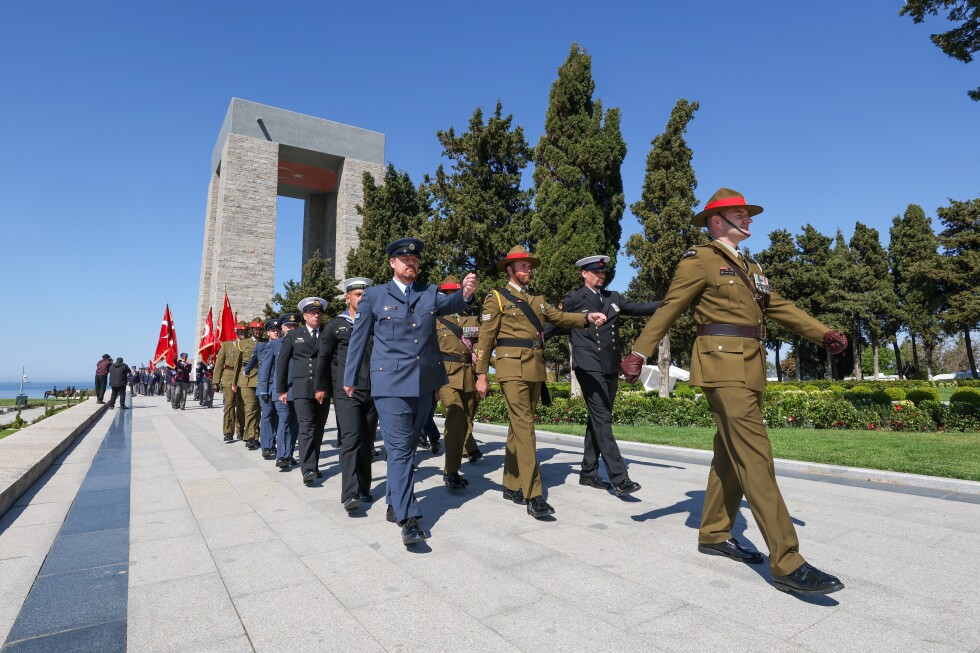
Officials and diplomats from Australia, New Zealand, and Turkey gathered at dawn in northwest Turkey on Saturday to mark the 111th anniversary of the Battle of Gallipoli, a defining moment that shaped the national identities of all three nations.
The commemorative ceremony began at 5:30 a.m. local time on the shores where Australian and New Zealand Army Corps, known as Anzacs, made their fateful landing on April 25, 1915. Participants assembled near the beach that would become synonymous with sacrifice and courage during one of World War I’s most brutal campaigns.
Under the early morning light, representatives from countries around the world joined in an hour of reflection that included solemn hymns, prayers, and wreath-laying ceremonies honoring the thousands who lost their lives during the eight-month conflict.
The Gallipoli campaign represented a critical strategic objective for Allied forces during the Great War. The British-led initiative sought to establish a naval route from the Mediterranean Sea to Istanbul through the Dardanelles strait, with the ultimate goal of defeating the Ottoman Empire and removing it from the conflict. Despite the ambitious plan, the campaign ended in failure and resulted in massive casualties on both sides.
“From great suffering, understanding can grow. From former enemies, friendships can blossom. The relationship between Turkey, Australia and New Zealand is built on remembrance, respect and recognition of our shared humanity,” said Governor-General of New Zealand Dame Cindy Kiro during her opening address to those gathered.
The battle holds profound historical significance for all three nations. For Australia and New Zealand, Gallipoli represents a crucible where their national identities were forged, separate from their British colonial past. The date of the landing, April 25, is now observed as Anzac Day, a national day of remembrance in both countries that honors all those who served and died in military operations.
For Turkey, the campaign marked one of the Ottoman Empire’s few decisive victories during World War I and introduced Mustafa Kemal Ataturk to the world stage. Ataturk, who commanded Turkish forces at Gallipoli, would later lead Turkey’s War of Independence and establish the modern Turkish Republic.
During the ceremony, Turkish Colonel Fatih Cansiz recited Ataturk’s famous 1934 tribute to the fallen Allied soldiers: “Those heroes that shed their blood and lost their lives… you are now lying in the soil of a friendly country. Therefore rest in peace. There is no difference between the Johnnies and the Mehmets to us where they lie side by side in this country of ours.”
These words, inscribed on memorials at Gallipoli and in Australia and New Zealand, epitomize the remarkable reconciliation between former enemies and the transformation of battlefields into sites of mutual respect and shared remembrance.
The Gallipoli Peninsula today serves as an open-air museum and pilgrimage site, particularly for young Australians and New Zealanders who travel thousands of miles each year to connect with their nations’ histories. The area contains numerous cemeteries and memorials, carefully preserved by the Turkish government in recognition of its significance to all three countries.
Historical records indicate that approximately 44,000 Allied troops, including 8,700 Australians and 2,700 New Zealanders, died during the campaign. Ottoman casualties were estimated at 87,000. These statistics, however, fail to capture the campaign’s brutal conditions, including the scorching summer heat, freezing winter, disease, and the challenging terrain that made the fight particularly grueling.
The annual commemoration demonstrates how international relations can evolve from conflict to cooperation. The battle that once divided these nations now serves as a foundation for diplomatic ties based on mutual respect and shared historical experience, offering a powerful example of reconciliation in a world still marked by conflict and division.
Fact Checker
Verify the accuracy of this article using The Disinformation Commission analysis and real-time sources.

13 Comments
It’s impressive that representatives from countries around the world joined in the commemoration. The Gallipoli campaign had global implications, and it’s important to reflect on its historical significance from an international perspective.
The Gallipoli campaign was a strategic failure, but the courage and resilience of the Anzac forces is truly inspiring. It’s great to see that their legacy is being honored through this annual commemoration.
Agreed. The Anzac spirit demonstrated at Gallipoli is a source of national pride for Australia and New Zealand, even though the campaign itself was a costly defeat. Commemorating this history is a way to keep their sacrifice and bravery alive.
The Gallipoli campaign was a pivotal moment in World War I, and it’s heartening to see that its legacy is still being honored today. Commemorating the sacrifices of the past is a important way to learn from history and build a more peaceful future.
Well said. Remembering the human cost of war, even decades later, is a powerful way to promote understanding and reconciliation between nations. Commemorations like this help ensure that the lessons of Gallipoli are not forgotten.
The Battle of Gallipoli was a pivotal moment in the history of Australia, New Zealand, and Turkey. It’s important to commemorate the sacrifice and courage of those who fought and lost their lives during this brutal campaign.
Agreed. The Gallipoli campaign was a strategic failure, but it helped shape the national identities of the nations involved. Commemorating this history is a way to honor those who served.
It’s remarkable that representatives from countries around the world gathered to reflect on this important moment in World War I history. The Gallipoli campaign was a defining event that had a lasting impact.
Yes, the international attendance speaks to the global significance of the Gallipoli campaign. It’s a powerful symbol of how the sacrifices made during wartime can bring nations together in remembrance.
The early morning ceremony with solemn hymns, prayers, and wreath-laying sounds like a moving and respectful way to mark this anniversary. It’s important to reflect on the human cost of war, even decades later.
Absolutely. Honoring the memory of those who lost their lives is a powerful way to ensure their sacrifices are not forgotten. This commemoration is a testament to the enduring impact of the Gallipoli campaign.
While the Gallipoli campaign was a military defeat, the bravery and resilience of the Anzac forces is truly inspiring. I’m glad to see that their legacy is being honored through this annual commemoration.
I’m curious to learn more about how the Gallipoli campaign shaped the national identities of Australia, New Zealand, and Turkey. The fact that it’s still commemorated so many years later speaks to its lasting significance.