


Listen to the article
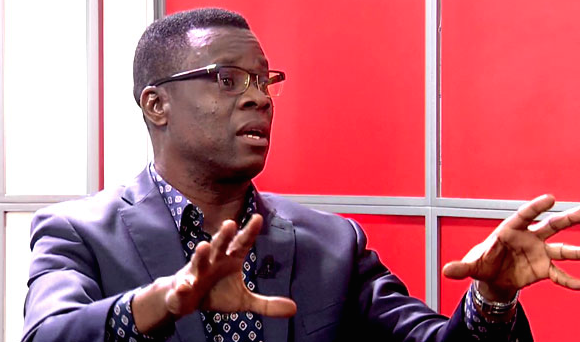
In a recent fact-checking analysis, former Independent National Electoral Commission (INEC) resident electoral commissioner Mike Igini has made an incorrect claim regarding Nigeria’s electoral legislation. Igini stated that the Electoral Act 2026 contains a new provision giving presiding officers discretionary power to accept or reject ballot papers without official INEC marks. However, investigation reveals this provision already existed in the 2022 electoral law.
The controversy centers on ballot paper validation requirements, a critical component of Nigeria’s electoral integrity measures. Ballot papers must bear specific INEC-approved markings to be considered valid during elections, a safeguard designed to prevent electoral fraud and ballot stuffing.
Electoral law experts point out that Igini’s characterization of this provision as “new” misrepresents the legal continuity between the 2022 Electoral Act and the forthcoming 2026 legislation. The provision regarding presiding officers’ authority to scrutinize ballot papers for official markings has remained substantively unchanged across both versions of the law.
“This is an example of misinterpretation that can create unnecessary confusion about electoral procedures,” explained Professor Adebayo Ogunlesi, a constitutional law expert at the University of Lagos. “The power of presiding officers to validate ballot papers based on official markings has been a longstanding feature of Nigeria’s electoral framework.”
The fact check highlights the importance of accurate information about electoral processes, particularly as Nigeria prepares for future electoral cycles. Misinformation about voting procedures can undermine voter confidence and potentially impact participation rates.
INEC has repeatedly emphasized the importance of ballot validation as a key integrity measure. According to the commission’s guidelines, official ballot papers must contain watermarks, serial numbers, and other security features that help presiding officers authenticate them during elections.
“What we’re seeing is continuity in electoral safeguards, not novel provisions,” noted Amina Ibrahim, an election monitoring specialist with the Center for Democracy and Development. “The validation process serves as a crucial check against counterfeit ballots entering the system.”
The mischaracterization comes at a sensitive time for Nigeria’s electoral system, which continues to face challenges regarding public trust. Recent elections have seen disputes over ballot validity, voting procedures, and result transmission—issues that require precise understanding of the legal framework governing elections.
Electoral reform advocates stress that while ballot validation is important, public education about such procedures is equally critical. “When prominent former officials make inaccurate statements about electoral provisions, it can create ripple effects of confusion,” said Emmanuel Nwankwo of the Electoral Reform Network.
The 2022 Electoral Act marked significant reforms in Nigeria’s electoral process, introducing electronic transmission of results and other modernization efforts. The anticipated 2026 update is expected to build upon these foundations rather than fundamentally alter existing validation procedures.
Legal analysts also point out that electoral laws worldwide commonly include provisions for ballot validation. Nigeria’s approach aligns with international best practices that balance accessibility with security measures to protect electoral integrity.
For voters, the practical implication remains unchanged—ballots must contain official INEC markings to be counted. However, the broader significance of this fact check relates to the importance of accurate public discourse about electoral processes in strengthening Nigeria’s democracy.
As preparations for future elections continue, electoral stakeholders emphasize the need for clear communication about voting procedures to ensure all participants—from voters to officials—understand the legal framework that governs the electoral process.
Fact Checker
Verify the accuracy of this article using The Disinformation Commission analysis and real-time sources.

8 Comments
This is an important clarification on the electoral law regarding ballot paper validation. It’s crucial that we have accurate information on the legal safeguards in place to ensure electoral integrity. Fact-checking claims and correcting misinformation is essential for upholding democratic processes.
Mischaracterizing existing legal provisions as new can sow unnecessary confusion and undermine public trust. This fact-check highlights the importance of rigorous, unbiased analysis when it comes to understanding changes (or lack thereof) in electoral legislation.
Ballot paper validation requirements are a complex but essential aspect of electoral integrity. It’s good to see the legal experts providing clarity on how this provision has evolved (or not) between the 2022 and 2026 laws. Transparency around these details builds trust in the democratic process.
The continuity between the 2022 and 2026 electoral laws on ballot paper validation is an interesting point. It seems the core provision regarding presiding officers’ authority to scrutinize ballots has remained unchanged, providing consistency and stability in this critical electoral integrity measure.
This fact-check highlights the importance of carefully analyzing claims about changes to electoral legislation. Misrepresenting continuity as novelty can create unnecessary confusion and undermine public confidence. Rigorous verification of such claims is crucial.
This fact-check provides a valuable lesson on the importance of verifying claims about changes to electoral legislation. Accurately representing the continuity or evolution of legal provisions is key to ensuring public understanding and confidence in the democratic system.
The details around ballot paper validation requirements may seem technical, but they are vital for safeguarding the integrity of elections. I appreciate the diligence of the fact-checkers in clarifying the legal continuity on this issue between the 2022 and 2026 laws.
I appreciate the diligence of the fact-checkers in investigating Igini’s claim and setting the record straight. Maintaining accurate, unbiased information on electoral laws and processes is vital for citizens to make informed decisions and participate meaningfully in democracy.