


Listen to the article
U.S. Military Strike Kills Three in Caribbean Drug Interdiction Operation
The U.S. military conducted another maritime strike against an alleged drug-trafficking vessel in the Caribbean Sea on Sunday, resulting in three fatalities. This action marks the continuation of a controversial interdiction campaign that has now claimed at least 181 lives since its inception in early September.
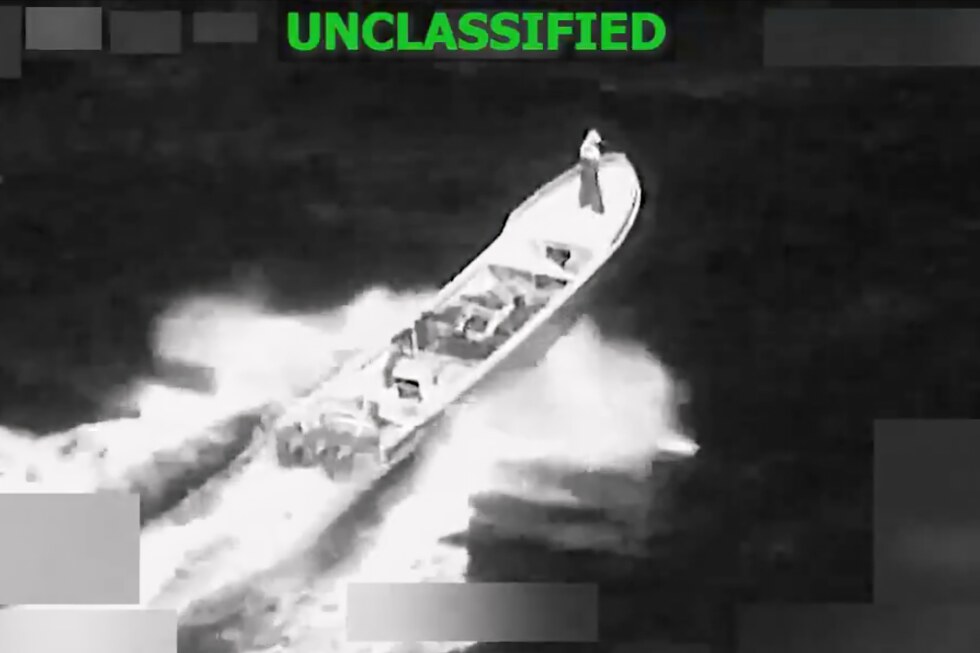
U.S. Southern Command shared footage of the operation on social media platform X, depicting a boat moving through water before being consumed by a massive explosion and flames. Military officials stated the vessel was targeted along established drug smuggling routes, echoing justifications provided for previous strikes.
Despite the ongoing conflict with Iran drawing significant military resources, the Trump administration has intensified these maritime interdiction operations in recent weeks. The strikes span both the Caribbean Sea and the eastern Pacific Ocean as part of what the administration characterizes as a campaign against “narcoterrorism” in the Western Hemisphere.
The military buildup associated with this campaign represents the largest U.S. presence in Latin America in decades. This increased operational focus preceded the dramatic January raid that resulted in the capture of then-Venezuelan President Nicolás Maduro, who was subsequently extradited to New York to face drug trafficking charges. Maduro has pleaded not guilty to these allegations.
President Donald Trump has framed these operations as part of an “armed conflict” against drug cartels, arguing that escalated military action is necessary to combat the flow of narcotics into the United States and reduce drug-related fatalities among Americans. “We’re taking the fight directly to those responsible for poisoning our communities,” Trump stated at a recent press briefing.
However, critics have raised significant concerns about the campaign’s legal foundation and operational protocols. International law experts have questioned whether these strikes adhere to established maritime interdiction principles, particularly regarding the use of deadly force against suspected trafficking vessels without clear confirmation of cargo or attempts at non-lethal interception.
“These operations appear to operate in a gray zone of international law,” said Maria Fernandez, a professor of international maritime law at Georgetown University. “While nations have the right to intercept vessels suspected of illicit activities in international waters, the immediate resort to lethal force raises serious legal and humanitarian questions.”
Human rights organizations have also voiced alarm about the high death toll. According to data compiled by the Council on Hemispheric Affairs, the 181 reported fatalities represent an unprecedented casualty count for counter-narcotics operations in the region.
Administration officials have defended the strategy, pointing to record-high overdose deaths in the United States as justification for aggressive interdiction measures. The DEA estimates that maritime routes account for approximately 70% of cocaine shipments entering the United States.
The intensification of these operations comes amid shifting regional dynamics in Latin America, where U.S. influence has been challenged by increased Chinese economic engagement and persistent political instability. Security analysts suggest the campaign may serve multiple strategic objectives beyond drug interdiction.
Notable in the military’s communications about these strikes is the absence of evidence regarding drug seizures or laboratory confirmation of narcotics from the targeted vessels. When questioned about verification protocols, a Southern Command spokesperson stated that operational security concerns prevent the disclosure of intelligence gathering methods.
As the campaign continues, congressional oversight committees have requested briefings on the legal framework supporting these operations and their effectiveness in reducing drug flows into the United States. The outcome of these inquiries may shape the future of what has become one of the most aggressive U.S. counter-narcotics campaigns in recent history.
Fact Checker
Verify the accuracy of this article using The Disinformation Commission analysis and real-time sources.

16 Comments
Interdicting drug smuggling routes is important, but civilian casualties are unacceptable. I hope the military can find ways to disrupt these networks without resorting to such lethal force. The human cost is far too high.
Agreed, the military needs to re-evaluate its tactics and prioritize minimizing harm to innocent bystanders. Precision, intelligence, and restraint should be the watchwords for these sensitive operations.
This is a tragic and unfortunate development. While I support efforts to address drug trafficking, the military’s current tactics appear to be causing more harm than good. I hope they can find ways to interdict these operations without resorting to such indiscriminate force that puts civilian lives at risk.
Agreed. The high civilian death toll is unacceptable, and these strikes seem to be exacerbating tensions rather than resolving the underlying issues. The military needs to adopt a more measured, intelligence-driven approach that prioritizes civilian safety.
Another tragic loss of life in the Caribbean. While I support efforts to disrupt drug smuggling routes, the military’s tactics seem excessively violent. I hope they can find ways to interdict these operations without resorting to such lethal force.
Agreed, the military needs to re-evaluate its approach. Civilian casualties undermine the legitimacy of these operations and could further destabilize the region. A more nuanced, intelligence-driven strategy may be more effective in the long run.
Drug trafficking is a serious issue, but these strikes seem disproportionately violent. I worry the military is becoming too aggressive in its approach, which could further destabilize the region. A more diplomatic, intelligence-led strategy may be more effective.
You raise a fair point. Heavy-handed military action often breeds more resentment than cooperation. A nuanced, multi-pronged approach targeting the root causes may yield better long-term results.
This is a concerning trend. While I understand the need to address drug trafficking, these strikes seem to be causing more harm than good. The military should focus on precision interdiction, not indiscriminate force that puts innocent lives at risk.
Well said. The military’s current tactics are counterproductive and only serve to further inflame tensions in the region. A more measured, targeted approach that prioritizes civilian safety is urgently needed.
This is a troubling escalation in the war on drugs. While I understand the need to crack down on narcotrafficking, these strikes seem indiscriminate and disproportionate. I hope the military can find a more surgical approach that doesn’t jeopardize civilian lives.
Well said. The military’s role in this conflict should be targeted and measured, not a heavy-handed application of force. Civilian safety has to be the top priority, even when pursuing dangerous criminal networks.
The high civilian death toll from these maritime strikes is deeply troubling. While disrupting drug smuggling is important, the military’s actions seem disproportionate and reckless. I hope they can find ways to interdict these operations without resorting to such lethal force.
I agree completely. The military needs to re-evaluate its tactics and find a more surgical, intelligence-driven approach that doesn’t jeopardize innocent lives. Restraint and precision should be the watchwords for these sensitive operations.
This is a tragic and concerning development. While maritime interdiction operations are important, the high civilian death toll is alarming. I hope the military can review procedures to minimize collateral damage in these sensitive engagements.
Agreed, the loss of innocent life is unacceptable. More transparency and oversight of these operations is needed to ensure they are conducted as safely as possible.