


Listen to the article
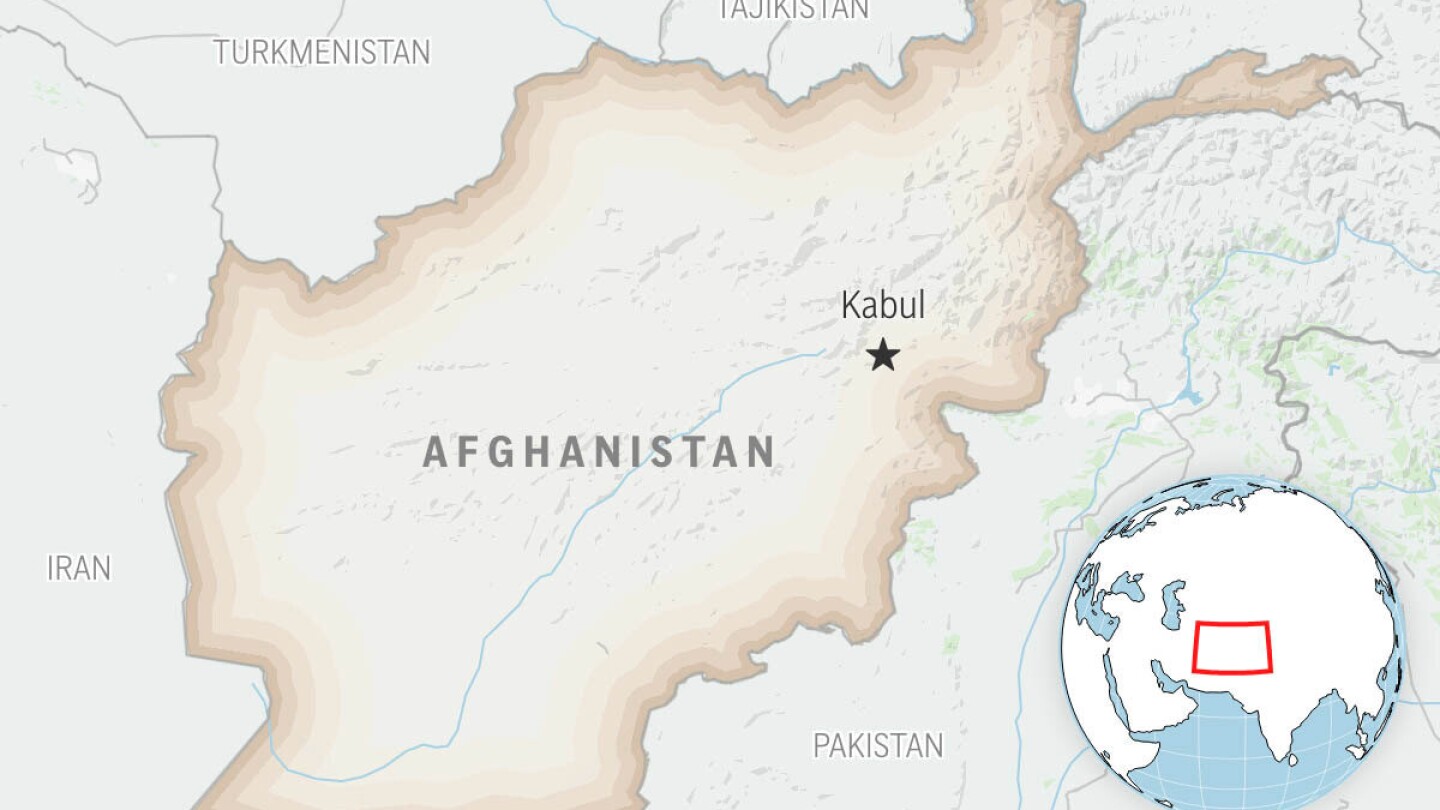
Afghanistan’s Taliban authorities executed a man at a sports stadium in the eastern city of Khost on Tuesday for the murder of 13 family members, including several children. The execution, attended by tens of thousands of people including relatives of the victims, was carried out by a family member of those killed.
The Supreme Court of Afghanistan stated this was the 11th public execution since the Taliban returned to power in August 2021 following the withdrawal of U.S. and NATO forces from the country. The execution proceeded despite calls from the United Nations to halt the practice.
United Nations Special Rapporteur for Afghanistan Richard Bennett had urged authorities to stop the execution, writing on social media platform X: “Public executions are inhumane, a cruel and unusual punishment, and contrary to international law.”
According to Taliban officials, the condemned man had been found guilty of entering a family home in Khost province earlier this year and shooting dead 13 members of an extended family, including nine children and their mother. The sentence was confirmed through multiple judicial levels, including trial court, appeals court, and the Supreme Court, before receiving final approval from Taliban Supreme Leader Hibatullah Akhundzada.
Khost police spokesman Mustaghfir Gorbaz reported that the victims’ relatives were offered the option of forgiveness—a provision within Islamic law that could have spared the man’s life—but they instead requested the death penalty. The convicted man was reportedly part of a group responsible for the killings.
The Taliban’s return to public executions reflects their implementation of a strict interpretation of Sharia law since regaining control of Afghanistan nearly three years ago. This approach mirrors policies from their previous rule in the late 1990s, when public executions, floggings and stonings were common practice.
Human rights organizations have consistently condemned such public punishments. The Taliban’s justice system has faced international criticism for its lack of transparency, due process, and adherence to international human rights standards.
Beyond the judicial sphere, Taliban authorities have systematically dismantled women’s rights, banning girls from secondary education and university studies and restricting women from most forms of employment. These policies have further isolated Afghanistan internationally and complicated humanitarian efforts in a country already struggling with economic collapse and food insecurity.
The stadium execution in Khost underscores the growing divide between Taliban governance and international human rights norms. While Taliban officials defend their practices as aligned with their interpretation of Islamic law and Afghan traditions, the international community largely views them as violations of fundamental human rights.
Despite significant international pressure and economic sanctions, the Taliban leadership has shown little sign of moderating their approach to governance or justice. Foreign aid organizations and governments have struggled to engage effectively with Taliban authorities while maintaining their commitment to human rights principles.
Tuesday’s execution serves as a stark reminder of Afghanistan’s isolation on the world stage. While many countries maintain some diplomatic contact with Taliban representatives, no nation has formally recognized their government since they seized power in 2021.
For ordinary Afghans, particularly in rural areas like Khost, the return of public executions represents both a continuation of traditional justice mechanisms and a visible demonstration of the Taliban’s uncompromising approach to law enforcement and social control.
Fact Checker
Verify the accuracy of this article using The Disinformation Commission analysis and real-time sources.

16 Comments
This report highlights the continued human rights abuses under Taliban rule in Afghanistan. The international community needs to hold the Taliban accountable and ensure they respect basic civil liberties and the rule of law.
Absolutely. The Taliban’s actions are deeply troubling and run counter to international standards of justice and human rights. Urgent action is needed to address this situation.
This news of a public execution in Afghanistan is deeply concerning. While the details are unclear, such practices raise serious human rights issues that the international community must address. We need more transparency and accountability from the Taliban authorities.
Agreed. Public executions are a violation of basic human rights and must be stopped. The Taliban need to uphold the rule of law and respect due process.
Public executions are a cruel and barbaric practice that have no place in a civilized society. I hope the international community can pressure the Taliban to end this inhumane form of punishment and work towards a more humane justice system.
I agree, public executions are a gross violation of human rights. The Taliban must be held accountable for these actions and urged to reform their justice system in line with international norms.
While the details of this case are unclear, public executions are an egregious violation of human rights that must be condemned. The Taliban’s actions undermine the rule of law and basic human dignity. The international community needs to take decisive action to stop these practices.
I agree, the Taliban’s use of public executions is a deeply concerning development. The international community has a moral obligation to pressure the Taliban to uphold human rights and cease these inhumane practices.
The execution of a person for murder, even if the crime was heinous, is a troubling development. I hope the international community can pressure the Taliban to halt these public executions and work towards a more just and humane justice system.
You make a fair point. While justice must be served, public executions are an archaic and inhumane practice that have no place in the modern world.
The Taliban’s continued use of public executions is deeply troubling. This practice is a clear violation of human rights and international law. The global community must condemn these actions and take concrete steps to pressure the Taliban to reform their justice system and respect the rule of law.
I agree, the international community cannot remain silent in the face of such egregious human rights abuses. Urgent action is needed to hold the Taliban accountable and ensure they uphold basic human rights and dignity.
This news is deeply troubling. The Taliban’s continued use of public executions is a clear violation of human rights and international law. The global community must take strong action to condemn these practices and pressure the Taliban to respect the rule of law.
Absolutely. The Taliban’s actions are unacceptable and the international community needs to respond forcefully to end these human rights abuses. Public executions have no place in the modern world.
This report is a stark reminder of the human rights crisis unfolding in Afghanistan under Taliban rule. Public executions are an abhorrent violation of international law and basic human dignity. The global community must take immediate action to hold the Taliban accountable and end these abuses.
Well said. The Taliban’s actions are completely unacceptable and demand a strong, coordinated international response. Public executions have no place in the modern world and must be stopped immediately.