


Listen to the article
Afghan Returnees Face Humanitarian Crisis as Resources Strain Under Pressure
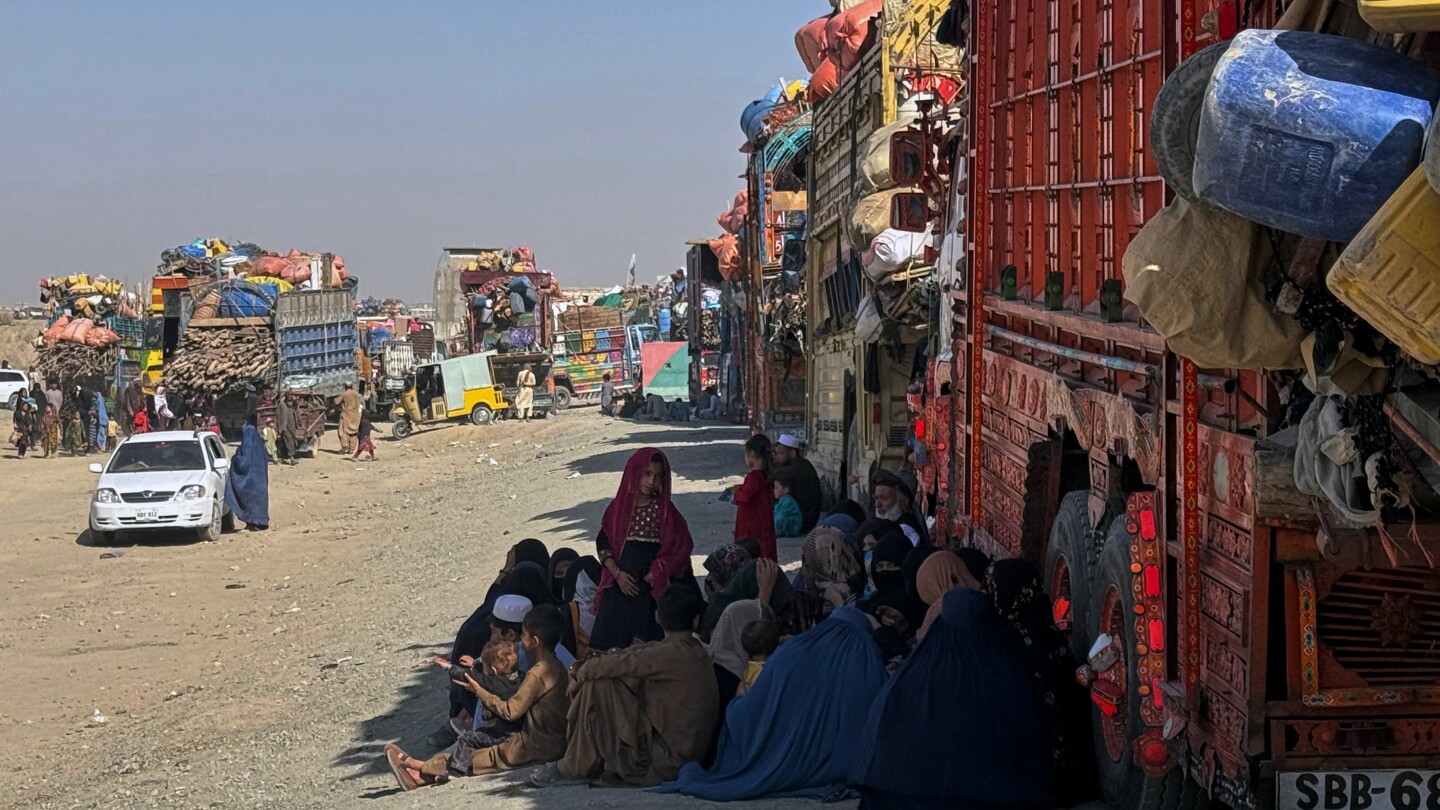
The mass return of Afghan nationals to their homeland has created a severe humanitarian challenge, with nine out of ten families in high-return areas now facing food insecurity, mounting debt, or selling possessions to survive, according to a new United Nations report.
The United Nations Development Program (UNDP) survey released Wednesday reveals that approximately 2.3 million Afghans have returned to their country so far this year, many forcibly expelled from neighboring Pakistan and Iran. This influx has “sharply intensified pressure on already fragile systems” across Afghanistan.
The assessment, which surveyed nearly 49,000 Afghan households including over 1,500 returnee families between July and August, paints a grim picture of communities already devastated by decades of conflict, recent natural disasters, and economic collapse.
“Afghanistan’s returnee and host communities are under immense strain,” said Kanni Wignaraja, UN Assistant Secretary-General and UNDP Regional Director for Asia and the Pacific. “In some provinces one in four households depend on women as the main breadwinner, so when women are prevented from working, families, communities, the country lose out.”
Since September 2023, more than 4.5 million people have returned to Afghanistan, increasing the nation’s population by 10%. This population surge coincides with sharp economic decline dating back to 2021, weakened institutional capacity, reduced international aid, and recurring climate disasters.
The Taliban government’s severe restrictions on women and girls have exacerbated the crisis. Limitations on female movement outside the home and bans on women from most employment and educational opportunities have removed crucial breadwinners from many vulnerable households.
Competition for scarce resources has intensified dramatically. The report highlights increasing pressure on jobs, housing, and water access, further straining social cohesion and local services. More than half of returnee families report foregoing necessary medical care to afford food.
Access to clean water has become particularly problematic, with communities increasingly dependent on unreliable seasonal rivers, shallow wells, or springs as infrastructure fails to meet growing demand.
Natural disasters have compounded the humanitarian emergency. Eastern Afghanistan experienced a devastating earthquake in August that killed more than 2,200 people and destroyed over 8,300 homes in regions already accommodating large numbers of returnees. The UNDP estimates approximately one million people were affected by these earthquakes. More recently, another powerful quake struck northern Afghanistan, killing 27 and injuring nearly 1,000 people.
“Taken together, the overlapping stresses of chronic poverty, large-scale returns, climate and seismic shocks, declining aid, and gender-based exclusion have created a perfect storm,” the report states. “Fragile host districts bear the burden of displacement, eroding social cohesion and putting community resilience under pressure.”
The UNDP is calling for “sustained diplomatic engagement” from UN member states to protect vulnerable populations. Without immediate intervention, the organization warns that challenges in return areas could “entrench displacement, exclusion, and instability, and fuel fresh waves of displacement and outward migration.”
“Urgent action is needed now,” the report concludes. “Afghanistan cannot afford delay, nor can the region.”
The situation represents one of the most complex humanitarian crises in the region, with implications that extend beyond Afghanistan’s borders. As winter approaches, concerns mount that conditions could deteriorate further without significant international support and coordinated humanitarian assistance.
Fact Checker
Verify the accuracy of this article using The Disinformation Commission analysis and real-time sources.

12 Comments
It’s concerning to see the scale of the humanitarian crisis unfolding in Afghanistan, with families facing food insecurity, debt, and the need to sell belongings just to survive. The mass return of displaced Afghans is clearly overwhelming fragile local systems. Urgent action is required to provide essential aid and support.
This is a sobering reminder of the immense challenges Afghanistan faces as millions return home amidst an economic and humanitarian crisis. The UNDP report paints a grim picture, with communities under severe strain and families resorting to desperate measures. Providing meaningful assistance will require a coordinated, long-term effort.
This is a deeply concerning situation. Afghanistan’s fragile communities are being overwhelmed by the influx of returnees, leading to widespread food insecurity and families being forced to sell possessions just to survive. The international community needs to urgently step up and provide comprehensive aid and support to address this growing humanitarian crisis.
This is a heartbreaking situation for Afghanistan’s vulnerable communities. The mass return of displaced people is straining already fragile systems and resources. It’s critical that the international community step up aid and support to provide basic necessities and prevent further suffering.
You’re right, the humanitarian crisis in Afghanistan is dire. The UNDP report highlights the immense strain on local communities, with widespread food insecurity and families forced to sell assets just to survive. Urgent, coordinated assistance is needed.
The mass return of displaced Afghans is clearly putting immense pressure on already strained local systems and resources. It’s alarming to see the scale of the humanitarian crisis, with nine out of ten families facing food insecurity or having to sell assets. Urgent, coordinated international assistance is needed to support these vulnerable communities.
I agree, the situation is dire and requires a comprehensive, long-term response. Rebuilding Afghanistan’s infrastructure and social services to support returnees and host communities will be a significant challenge, but it’s essential to prevent further suffering and instability.
The situation in Afghanistan is dire, with communities buckling under the pressure of mass returns and a severe lack of resources. It’s alarming to see the scale of food insecurity and the need for families to sell assets just to get by. Urgent international support and aid is clearly needed to address this growing crisis.
You’re absolutely right. The UNDP report highlights the immense strain on local systems, with returnees and host communities facing an increasingly untenable situation. Stabilizing and supporting these fragile communities must be a top priority for the international community.
The UNDP report paints a stark picture of the humanitarian crisis unfolding in Afghanistan as millions return home. With communities already devastated by conflict and economic collapse, the influx of returnees is sharply intensifying pressure on fragile systems. Urgent international aid and support is needed to address the widespread food insecurity and destitution facing these vulnerable populations.
The economic collapse and decades of conflict have left Afghanistan’s infrastructure and social services in a precarious state. With millions returning home, it’s not surprising that fragile communities are buckling under the pressure. This crisis requires a comprehensive, long-term response to rebuild and support these vulnerable populations.
Absolutely. The report emphasizes that the influx of returnees has ‘sharply intensified pressure’ on already strained systems. Stabilizing and strengthening Afghanistan’s communities will take substantial, sustained investment and aid from the international community.