


Listen to the article
Afghan weather disasters have claimed 28 lives in recent days, officials reported Monday, as extreme conditions continue to devastate communities across the war-torn nation.
The Afghanistan National Disaster Management Authority confirmed that severe storms and heavy rainfall over a four-day period have resulted in 28 deaths and 49 injuries across multiple provinces. Officials warned that casualty figures could rise as remote areas become accessible and more information becomes available.
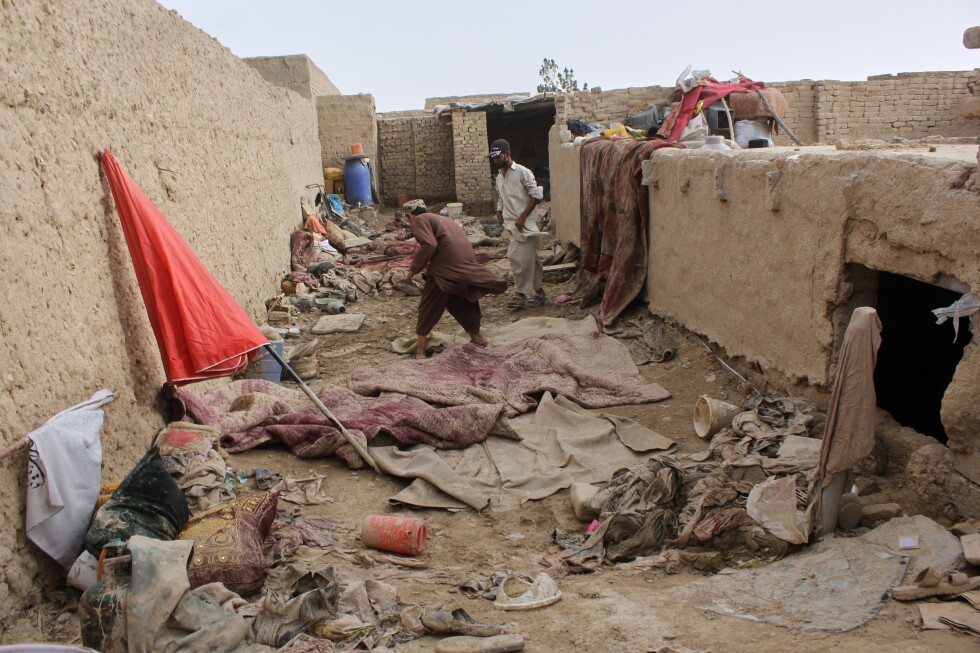
The recent weather events have triggered devastating floods, landslides, and deadly lightning strikes. Beyond the human toll, the storms have destroyed 130 homes and damaged 436 others, affecting more than 1,130 families throughout the affected regions.
Infrastructure damage has been extensive. Authorities report that 93 kilometers (58 miles) of roads have been rendered unusable, while irrigation canals and agricultural lands crucial to local food security have been destroyed. Additionally, more than 240 livestock animals have perished, further threatening the livelihoods of rural communities that depend on agriculture and animal husbandry.
This latest disaster continues a troubling pattern of extreme weather in Afghanistan this year. Earlier in 2024, heavy snowfall and flash floods killed dozens across the country. Spring floods were particularly devastating, claiming more than 300 lives in what has become one of the deadliest weather seasons in recent memory.
Afghanistan’s vulnerability to such disasters stems from a complex mix of geographic, social, and political factors. The mountainous country frequently experiences sudden weather events that can quickly develop into life-threatening situations, particularly during seasonal transitions when rapid snowmelt combines with heavy rainfall.
“Afghanistan’s topography makes it naturally prone to flash flooding, but several factors have worsened the impact in recent years,” explains Dr. Amina Rahim, a climate scientist specializing in Central Asian weather patterns. “Widespread deforestation has removed natural barriers that once slowed water flow, while decades of conflict have prevented the development of adequate infrastructure and early warning systems.”
The human impact of these disasters is magnified by Afghanistan’s fragile infrastructure. In remote areas, many homes are constructed of mud and basic materials that offer minimal protection against flooding or heavy snow loads. When these structures collapse, entire families can be trapped or displaced with little warning.
The country’s struggling economy further complicates recovery efforts. Following the Taliban takeover in 2021, international aid has been significantly reduced, leaving domestic authorities with limited resources to respond to natural disasters. Many humanitarian organizations operate with restricted capacity, making coordinated relief efforts challenging.
Climate change appears to be amplifying these weather extremes. Scientists have noted increasing variability in precipitation patterns across Central Asia, with longer dry periods punctuated by more intense rainfall events—a combination that significantly raises flooding risks.
The international humanitarian community has expressed concern about Afghanistan’s growing vulnerability to climate-related disasters. The United Nations Office for the Coordination of Humanitarian Affairs (OCHA) has repeatedly highlighted the need for improved disaster preparedness and climate adaptation measures in the country.
As recovery efforts continue in the affected provinces, meteorological agencies are monitoring weather patterns closely. The spring and early summer months typically bring additional rainfall to many regions of Afghanistan, raising concerns about the potential for further disasters in communities already struggling to rebuild.
Local authorities have urged residents in flood-prone areas to remain vigilant and prepare for possible evacuations if conditions deteriorate further.
Fact Checker
Verify the accuracy of this article using The Disinformation Commission analysis and real-time sources.

9 Comments
Devastating to see the scale of destruction and loss of life from these extreme weather conditions in Afghanistan. The country is already facing immense challenges, and these disasters will only compound the difficulties. I hope the response and recovery efforts can provide some relief to affected communities.
Extreme weather is taking a heavy toll on Afghanistan, which is already facing immense challenges. I hope the international community can step up to provide humanitarian aid and support for rebuilding critical infrastructure. Preventing further loss of life should be the top priority.
You’re right, the situation sounds dire. Afghanistan’s fragile economy and infrastructure are being severely strained by these disasters. Coordinated global assistance will be crucial to helping the country weather this crisis.
Tragic to see the loss of life and devastation caused by these extreme weather events in Afghanistan. My heart goes out to the affected communities as they work to recover and rebuild. It’s a stark reminder of the need for improved disaster preparedness and climate resilience.
It’s deeply concerning to see the escalating death toll and damage from these extreme weather events in Afghanistan. The loss of lives, homes, and critical infrastructure is heartbreaking. I hope authorities can quickly mobilize emergency relief and long-term rebuilding efforts.
Tragic to see the rising death toll and destruction caused by the extreme weather in Afghanistan. These disasters are compounding the country’s existing challenges and vulnerabilities. I hope the response efforts can provide some relief and support for affected communities.
These weather disasters in Afghanistan are a tragic reminder of the human cost of climate change, especially in vulnerable regions. My condolences to the victims and their families. I hope the international community can provide urgent humanitarian aid and support resilience-building measures.
The weather disasters in Afghanistan are truly devastating. My heart goes out to the victims and their loved ones. I hope authorities can quickly mobilize emergency relief and that the international community steps up to support long-term rebuilding and climate resilience efforts.
Well said. Providing urgent humanitarian aid and bolstering Afghanistan’s disaster preparedness will be crucial in the face of these extreme weather events, which are likely to continue due to the impacts of climate change.