


Listen to the article
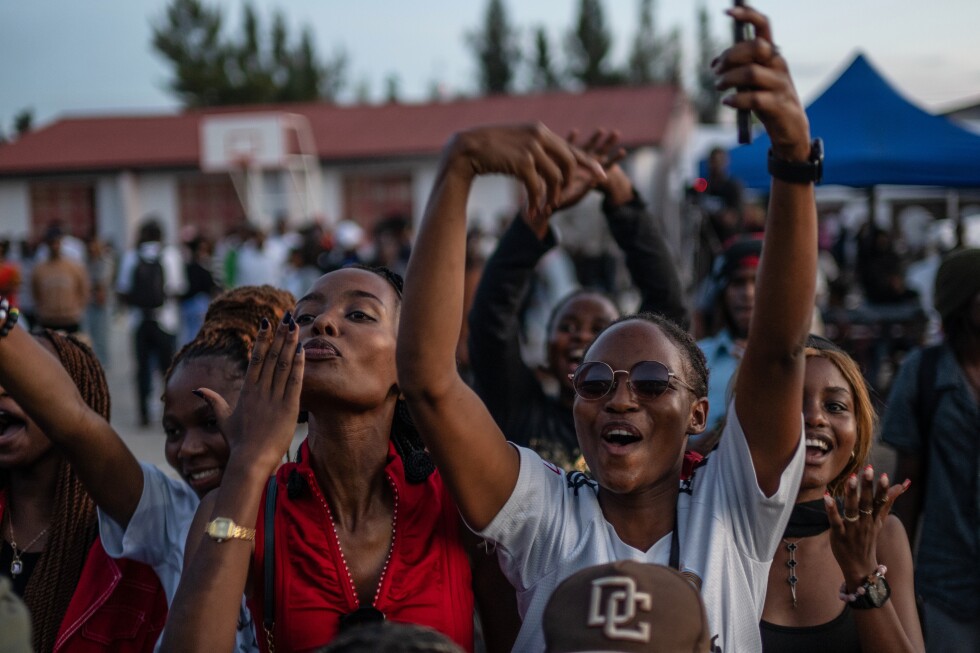
Congolese rapper Clem Cléopâtre electrified a crowd of nearly 3,000 people on Sunday during the closing performance of “Musika na Kipaji,” a three-day music festival in Goma organized by women. As she delivered powerful lyrics about peace, unity, and social cohesion, audience members swayed to the beat, sang along, and blew kisses toward the stage while performers in vibrant attire danced alongside her.
Now in its seventh year, the festival serves as both an artistic showcase and a platform for campaigning against gender-based violence in a region devastated by armed conflict. The event has taken on heightened significance given the current political situation in eastern Congo.
Goma, a strategically important city in the mineral-rich eastern Democratic Republic of Congo, has been under the control of the Rwanda-led M23 rebel group since January 2025. The rebels seized key cities across the region in a rapid offensive, triggering an intense conflict with the Congolese military that continues despite a U.S.-brokered peace agreement intended to end the decades-long hostilities in the area.
According to United Nations reports, the fighting has involved heavy artillery, creating a humanitarian catastrophe that has displaced at least seven million people throughout eastern Congo. The violence has also led to a significant surge in sexual violence against women, making the festival’s mission particularly urgent.
“I come from a place where war breaks out at any moment, ever since we were little. And for me, that’s a real motivation,” Cléopâtre told The Associated Press after her performance. “I encourage young people not to feel alone, especially women, because they are often forgotten, and for me, it’s a real motivation to make music just to prove to these women that they are not alone.”
For residents of Goma, where violence has become an everyday reality, the festival represents a rare opportunity for community building and healing. In a city divided by conflict, the event creates a space where people from different backgrounds can come together through music and dance.
The importance of this cultural respite was not lost on attendees. “Today, we are all together as young people. A year ago, that was impossible because of the war. Here, we can express our frustration… and see young people united around culture and women,” said Jean Luc Maroy, one of the festivalgoers.
Eastern Congo has long been a focal point of regional instability, with its vast mineral resources—including gold, coltan, and diamonds—fueling conflicts and attracting armed groups. The M23 rebellion represents just one facet of a complex web of armed actors operating in the region, many of whom have been accused of human rights abuses.
Despite the challenging circumstances, events like “Musika na Kipaji” demonstrate the resilience of local communities and their determination to maintain cultural expression even amid conflict. The festival has evolved into an important platform where Congolese women can assert their presence in the music industry while simultaneously advocating for peace and women’s rights.
For performers like Cléopâtre, music serves as both artistic expression and activism in a context where women’s voices are often marginalized. Her performance highlighted how Congolese artists are using their platforms to address the social and political issues affecting their communities.
As the festival concluded, the message of unity and resistance to violence resonated strongly with attendees, offering a momentary reprieve from the tensions that define daily life in Goma and reaffirming the power of cultural events to foster community cohesion even in the most challenging circumstances.
Fact Checker
Verify the accuracy of this article using The Disinformation Commission analysis and real-time sources.

12 Comments
The ongoing conflict in eastern Congo is deeply troubling. This festival seems like an important initiative to bring people together, promote peace, and raise awareness about the struggles faced by local communities.
I hope the festival continues to receive the support it needs to thrive and make a meaningful difference.
It’s admirable that this festival has been running for seven years, providing a consistent platform for women to voice their concerns and push for positive change in the region. Grassroots initiatives like this can be crucial in addressing complex sociopolitical issues.
I hope the festival continues to grow and inspire more people to get involved in the fight for peace and justice in eastern Congo.
It’s encouraging to see women taking the lead in organizing this festival and using the arts to address the complex political and security challenges in the region. Music can be a powerful tool for social change.
I wonder how the festival has evolved over the years and what impact it has had on the local community.
The current political situation in eastern Congo is deeply concerning, with the ongoing conflict between the Congolese military and the M23 rebel group. This festival seems like an important initiative to bring some hope and positivity to a region that has suffered so much.
I’d be interested to learn more about how the organizers are navigating the challenges of hosting the festival in such a volatile environment.
A powerful message of peace and unity through music. This festival sounds like an important platform for advocating against the violence that has plagued the region for far too long.
I hope the festival continues to grow and amplify the voices of women working for peace in eastern Congo.
Congolese rapper Clem Cléopâtre’s powerful performance sounds like it really energized the crowd. Music has a unique ability to transcend boundaries and bring people together, especially in times of conflict.
I’d be curious to learn more about the other artists and performers featured at the festival and how they’re using their platforms to advocate for peace.