


Listen to the article
Iran Navigates Daily Life Amid Ongoing Conflict with U.S. and Israel
Black banners and portraits of slain Supreme Leader Ayatollah Ali Khamenei line the Turkish-Iranian border, with stern messages vowing retribution against the United States and Israel. But beyond these visible symbols of conflict, much of daily Iranian life continues with surprising normalcy despite the ongoing regional war that has rattled global markets and heightened international tensions.
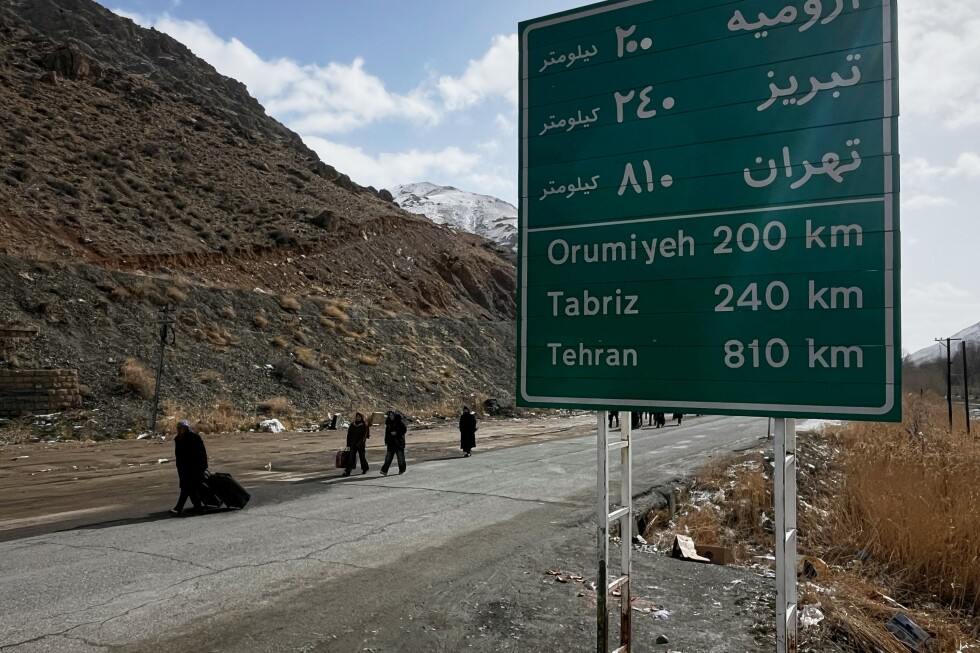
Associated Press reporters recently traveled from the Turkish border to Tehran, gaining rare access to a nation that has become the epicenter of escalating Middle East hostilities. The 12-hour journey revealed a complex reality where signs of warfare intermingle with everyday routines.
In the northwestern city of Zanjan, approximately six hours from the border, reporters witnessed the aftermath of what Iranian officials described as an airstrike on a husseiniyah, a Shiite religious community center. The strike killed two people—a library caretaker and a Red Crescent volunteer—while destroying a clinic and library housing over 35,000 books, including rare manuscripts.
“It has hurt me a lot and distressed me,” said Somayeh Shojaei, a local resident who regularly attended events at the center. “With these airstrikes, the U.S. and Israel are showing their malicious intent to the whole world.”
Israeli military officials, when questioned about the strike, claimed they had targeted “a military headquarters” and asserted they try to avoid civilian casualties, without providing additional details about the facility’s alleged military connection.
Jaafar Mohammadi, the provincial director of cultural and Islamic guidance, highlighted the center’s humanitarian role, noting the clinic provided free treatment to impoverished residents. “Iran wanted to negotiate for peace with Trump, but Trump responded with war,” Mohammadi said. “He started the war, but we will definitely be the victorious side.”
The broader conflict has intensified since Khamenei’s killing five weeks ago in what appeared to be a coordinated U.S.-Israeli operation. Since then, thousands of strikes have targeted sites across Iran, with former U.S. President Donald Trump threatening to bomb Iran “back to the Stone Ages.” Trump recently reiterated a deadline for Iran to reopen the Strait of Hormuz, a critical waterway for global energy markets through which approximately 20% of the world’s oil passes.
Despite these escalations and the considerable anxiety they generate, daily life in Iran demonstrates remarkable resilience. Throughout their journey, AP reporters observed normal traffic patterns, open businesses, and pedestrians going about their routines. In restaurants, Western music played while patrons enjoyed traditional Iranian cuisine. Notably, many women were seen without the mandatory hijab head covering, reflecting the relaxed enforcement of certain religious practices in recent years.
As the team approached Tehran, the atmosphere grew more tense. The capital has endured repeated bombardments, with U.S. and Israeli officials claiming they target military and internal security installations. Iranian authorities report over 1,900 casualties, though the civilian-military breakdown remains unclear.
Within Tehran, reporters observed several destroyed government buildings and police stations. Security checkpoints operated by plainclothes Basij forces—a volunteer paramilitary group under the Islamic Revolutionary Guard Corps—dotted the city, though the journalists were only stopped once and quickly allowed to continue after presenting press credentials.
Despite the conflict, some practical aspects of Iranian life remain stable. Gasoline is heavily subsidized at approximately 15 U.S. cents per gallon, though purchases are limited to about five gallons per transaction. No fuel shortages were apparent during the visit.
The historical context of U.S.-Iranian tensions remains alive in public consciousness. In Zanjan, retired soldier Mohamoud Maasoumi referenced the CIA-backed coup of 1953—an event many Iranians view as the origin point of modern hostilities with the West. “The enemy sees that we are not ever succumbing,” he stated, expressing confidence in the country’s leadership.
As Iran’s surviving leaders maintain a defiant stance against what they describe as unreasonable American demands, and Israel shows no indication of ceasing military operations, the Iranian people continue to navigate an uncertain future caught between the rhythms of everyday life and the shadow of international conflict.
Fact Checker
Verify the accuracy of this article using The Disinformation Commission analysis and real-time sources.

11 Comments
This report offers a unique and insightful look at the complex realities of life in Iran during the ongoing regional conflict. The ability of Iranians to maintain daily routines and a sense of community, even in the face of destruction, is truly inspiring. While the damage to cultural spaces like the library is heartbreaking, their resilience in the midst of adversity is a testament to the strength of the human spirit.
This firsthand account provides a nuanced and deeply human perspective on life in wartime Iran. While the symbols of conflict are ever-present, it’s inspiring to see Iranians maintaining a sense of normalcy and community. The damage to cultural institutions like the library is devastating, but their resilience in the face of adversity is truly admirable.
I agree, the resilience of the Iranian people in the midst of such challenging circumstances is remarkable. Preserving cultural heritage is so important, and I hope the affected communities are able to rebuild and recover from this tragedy.
The destruction of the library and community center is deeply saddening, but it’s admirable to see Iranians continuing to go about their daily lives. This report offers a more nuanced perspective beyond the geopolitical tensions, reminding us of the human toll of war. I hope the affected communities can rebuild and recover.
Fascinating look at the complex reality in Iran amid ongoing regional tensions. Despite the visible symbols of conflict, it’s remarkable to see how much of daily life continues with normalcy. The destruction of community spaces like the library is tragic, but it’s encouraging to see people persevering through the challenges.
Yes, the ability of Iranians to maintain some semblance of normalcy in the face of conflict is quite impressive. Preserving cultural institutions like libraries is so important, even in times of war.
This reporting provides an insightful window into life in Iran beyond the headlines. The juxtaposition of warfare and everyday routines highlights the resilience of the Iranian people. Though the destruction is tragic, it’s heartening to see community members come together to rebuild and carry on.
I agree, the resiliency of the Iranian people is truly remarkable. Maintaining a sense of normalcy and community in the midst of conflict speaks volumes about their strength of spirit.
This firsthand account provides a sobering yet humanizing look at the realities of life in wartime Iran. The ability of Iranians to maintain routines and community spirit in the face of conflict is truly inspirational. While the damage to cultural institutions is devastating, their resilience is a testament to the strength of the human spirit.
Well said. The resilience of the Iranian people in the midst of such challenges is both admirable and heartbreaking to witness. Preserving cultural heritage is so crucial, and I hope the affected communities are able to rebuild and recover.
It’s remarkable to see how Iranians are able to carry on with their daily lives despite the ongoing regional tensions and violence. The destruction of community spaces like the library is truly tragic, but the perseverance of the people is a testament to their strength. This report offers a valuable, on-the-ground perspective beyond the headlines.