


Listen to the article
Iraq Stands on Brink of Historic World Cup Return After 40-Year Absence
After an epic 21-game qualifying campaign, Iraq sits just one victory away from returning to soccer’s greatest stage for the first time since 1986. The nation’s passionate fans are daring to dream of a World Cup appearance that would represent far more than just sporting success for a country that has endured decades of conflict and instability.
Iraq secured their place in the final playoff round with a dramatic last-gasp win over the United Arab Emirates. Amir Al-Ammari converted a penalty kick in the 17th minute of stoppage time, sending 62,000 fans in Basra into delirium and clinching a 3-2 aggregate victory.
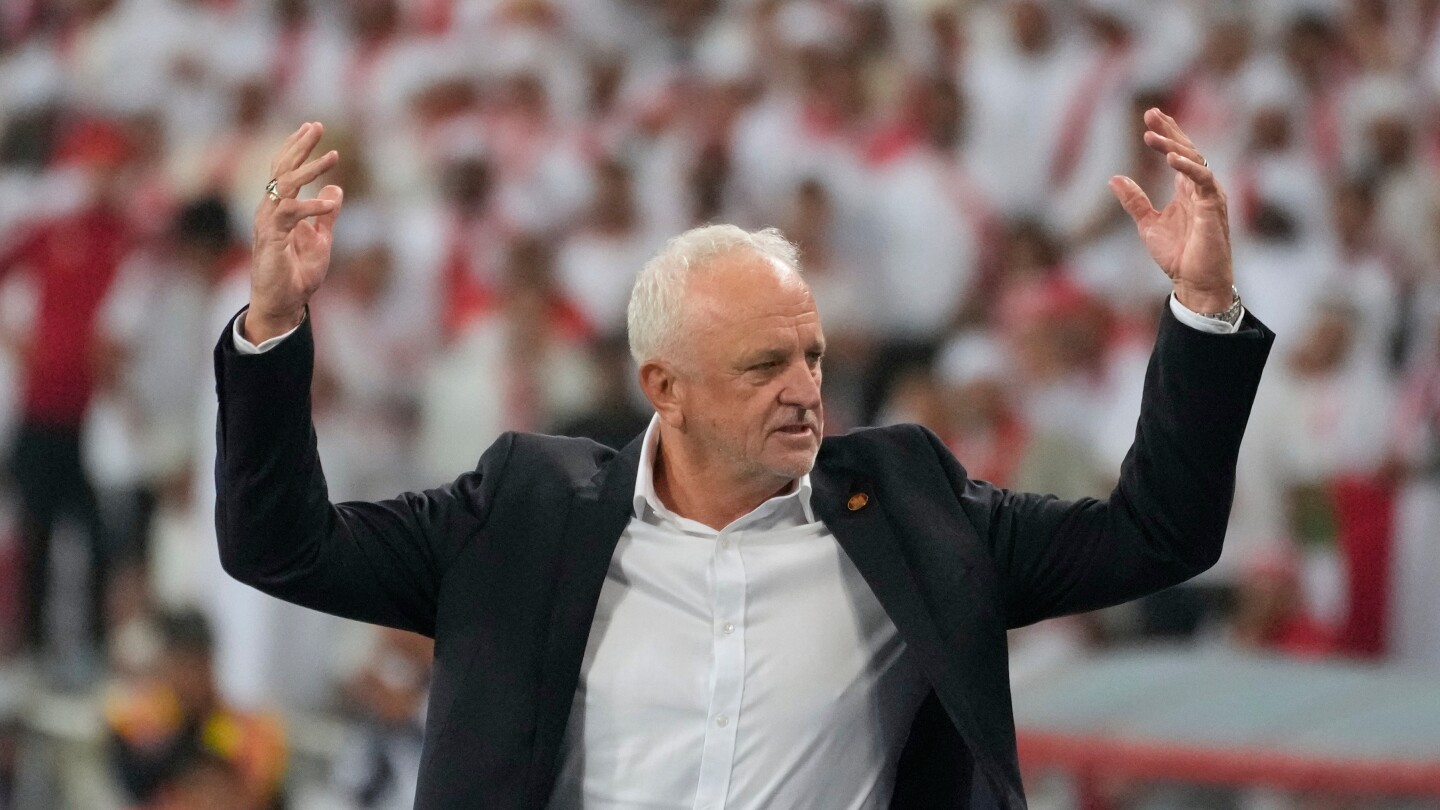
“If ever a country is desperate to qualify, this is it,” Iraq’s coach Graham Arnold told The Associated Press following FIFA’s playoff draw in Zurich. “I’ve never seen anything like it the other night.”
The final hurdle for Iraq will be a one-off elimination match in Mexico against either Bolivia or Suriname, scheduled for March. The winner will secure one of the final spots at the expanded 48-team tournament to be held across the United States, Canada, and Mexico in 2026.
For Arnold, an Australian who took the Iraq job only in May, the pressure is immense. Despite previously guiding Australia through their own must-win playoff against Peru to reach the 2022 World Cup in Qatar, he admits the stakes feel different with Iraq.
“The funny thing is, I didn’t feel this much pressure,” Arnold said of his experience with Australia. “Australia’s my country, and I love Australia so much, but I’ve been given a task that can change a country forever. And I’m really enjoying the task.”
Iraq’s lengthy absence from the World Cup stage parallels the nation’s troubled recent history. The 2003 U.S.-led invasion that toppled Saddam Hussein’s regime left deep scars on the country, and for much of the past two decades, FIFA deemed Iraq unsafe to host international matches.
The situation has gradually improved, allowing Iraq to play crucial qualifying matches on home soil, where the atmosphere has been electric. Arnold describes the Iraqi fans as “sensational” and the people as “beautiful” and “very passionate about anything that they do.”
“The whole thing of Iraq is a misperception,” Arnold explained. “They had to go through a war, they’re still recovering from that war.”
The current Iraq squad blends domestic talent with players plying their trade in Europe, including Al-Ammari in Poland, former Manchester United prospect Zidane Iqbal in the Netherlands, and German-born Merchas Doski in the Czech Republic.
To help his players cope with the enormous expectations, Arnold has implemented an unusual strategy. “I’ve banned them from social media for the last two camps, from the day they got in, to the day we left. And we haven’t lost a game,” he revealed.
The significance of qualification extends far beyond sports. Soccer serves as a unifying force in a country that has experienced profound division and hardship. Arnold estimates there are “45 million that live in Iraq and there’s probably about another 10 million live somewhere else, because of the war. So there’s a lot of emotion around.”
Should Iraq defeat their South American or Caribbean opponent in March, they would return to the World Cup for the first time since 1986 — coincidentally, also held in Mexico. During that tournament, Iraq competed admirably but lost all three group matches, including a tight contest against the host nation.
The prospect of qualification carries the weight of national redemption and a chance to reframe Iraq’s global image. For millions of Iraqis both at home and dispersed around the world, a World Cup appearance would represent not just sporting success, but a powerful symbol of resilience and revival after decades of struggle.
As the decisive playoff approaches, an entire nation holds its breath, united in hope that their 40-year World Cup drought may finally come to an end.
Fact Checker
Verify the accuracy of this article using The Disinformation Commission analysis and real-time sources.

5 Comments
It’s remarkable that Iraq has persevered through decades of conflict to reach this point. Their epic qualifying campaign shows the strength of their resolve. I’m curious to see how they fare against Bolivia or Suriname in the final playoff. This could be a historic moment for Iraqi soccer.
This is an inspiring story of Iraqi soccer’s resilience. After decades of turmoil, they’re on the brink of a historic World Cup return. The passion of their fans is palpable and I hope they can clinch that final playoff spot. It would be a huge boost for the country’s morale.
Absolutely. Qualifying for the World Cup after 40 years would be an incredible achievement. The team’s journey has been full of challenges, but their determination shines through. I’m rooting for them to make it all the way.
The coach’s comments about the fans’ desperation to see their team at the World Cup really resonates. Soccer can be a unifying force, especially for countries that have faced instability. I hope Iraq’s success inspires the next generation of players and fans.
Yes, the World Cup would be transformative for Iraq. Qualifying would provide a much-needed boost of national pride and unity. The team’s success could even have broader societal impacts beyond just the sport.