


Listen to the article
European Parliament’s Weber Demands Greater Transparency from Online Platforms
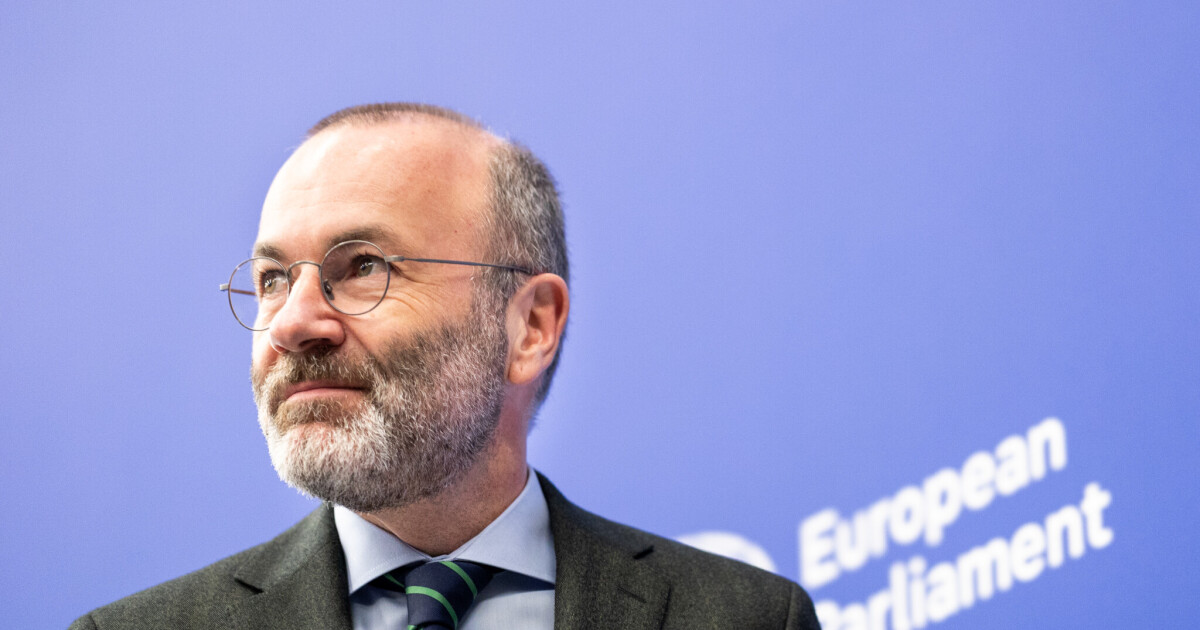
Manfred Weber, chair of the European Parliament’s center-right European People’s Party (EPP) group, has called for more stringent regulations on online platforms, arguing that their algorithms should be considered “a public good” and must be subject to greater transparency.
Speaking at a digital policy forum in Brussels yesterday, Weber emphasized that the current regulatory framework fails to adequately address the power that major tech companies wield through their proprietary algorithms, which determine what content users see online.
“These algorithms aren’t simply business assets – they have become utilities that shape public discourse and democratic processes,” Weber said. “We cannot allow black-box systems to continue influencing European citizens without proper oversight.”
The German politician’s comments come amid growing concern across the European Union about the role of social media and search platforms in spreading disinformation. Recent studies have linked algorithmic content curation to increased political polarization and the proliferation of false information during election cycles.
Weber’s call represents a significant escalation in the EU’s approach to tech regulation, potentially going beyond the existing Digital Services Act (DSA), which already imposes transparency obligations on very large online platforms. The DSA, which came into full effect earlier this year, requires major platforms to assess and mitigate systemic risks but stops short of mandating complete algorithmic disclosure.
Tech industry representatives have historically resisted full algorithmic transparency, arguing that such requirements would compromise intellectual property and potentially enable bad actors to manipulate their systems. Google, Meta, and TikTok have instead offered limited access to researchers and regulators through specialized API programs.
However, Weber dismissed these concerns. “If these platforms want to operate in the European market, they must accept that their influence on our society comes with responsibilities,” he stated. “Transparency isn’t negotiable when democratic integrity is at stake.”
The EPP leader’s position aligns with a growing cross-party consensus in the European Parliament that tech regulation needs to go further. Left-wing and liberal lawmakers have also expressed support for stronger algorithmic transparency measures, though they differ on implementation details.
Digital rights experts have cautiously welcomed Weber’s statements. Dr. Clara Richter from the European Digital Rights Initiative noted, “Recognizing algorithms as public goods is an important conceptual shift, but the devil will be in the details. We need meaningful transparency that empowers citizens, not just regulatory theater.”
The timing of Weber’s remarks is significant, coming just months before the European Commission is expected to publish its evaluation report on the DSA’s effectiveness. His intervention could influence the direction of potential amendments to the legislation.
European Commissioner for Internal Market Thierry Breton acknowledged the growing pressure for reform but emphasized the need for balanced regulation. “We must protect innovation while ensuring platforms operate responsibly,” Breton said in a statement responding to Weber’s comments.
Industry analysts suggest that any new transparency requirements could particularly impact platforms like TikTok and Instagram, whose recommendation algorithms have faced intense scrutiny regarding content shown to young users.
The issue also intersects with ongoing EU concerns about foreign interference in elections, with Russian and Chinese disinformation campaigns remaining a priority for European security officials. Weber specifically highlighted how non-transparent algorithms can be exploited by foreign actors seeking to influence EU politics.
The debate over algorithmic transparency represents just one front in Europe’s broader regulatory approach to digital markets and services. The EU has positioned itself as the global leader in tech regulation, with initiatives including the Digital Markets Act, AI Act, and DSA creating a comprehensive framework that other regions are now considering emulating.
As European lawmakers prepare to return from their winter recess in January, tech regulation and specifically the transparency of online platforms’ algorithms are expected to feature prominently on the parliamentary agenda, with Weber’s EPP group likely to introduce formal proposals building on his recent statements.
Fact Checker
Verify the accuracy of this article using The Disinformation Commission analysis and real-time sources.

10 Comments
The rising influence of social media on democratic processes is undoubtedly concerning. Weber is right to demand more accountability, but the solutions won’t be easy. Ongoing dialogue between policymakers, tech companies, and civil society will be crucial.
Absolutely. Balancing free expression, innovation, and democratic safeguards will require a delicate and collaborative approach. There are no easy answers, but the stakes are too high to ignore this challenge.
Weber raises important points about the anti-democratic risks of social media algorithms. Greater transparency and oversight seem prudent, but the specifics of how to achieve that will require nuanced policymaking and industry collaboration.
While I’m sympathetic to Weber’s position, I worry that increased regulation of social media algorithms could have unintended consequences. We must be careful not to stifle technological progress in the name of political expediency.
That’s a valid concern. Any regulatory framework will need to be carefully crafted to address the core issues without hampering innovation. Ongoing dialogue and compromise will be essential.
While I appreciate Weber’s call for greater algorithm transparency, I’m curious how that would be implemented in practice. Achieving the right level of oversight without stifling innovation will require nuanced policymaking.
Interesting perspective from Weber on the anti-democratic risks of social media algorithms. Increased transparency and oversight does seem necessary to protect democratic discourse. However, achieving the right balance between regulation and innovation will be challenging.
Weber makes a compelling case that social media algorithms have become de facto public utilities. Treating them as such and subjecting them to democratic oversight seems prudent, though the details will be complex to work out.
Weber raises valid concerns about the outsized influence of tech companies’ proprietary algorithms on public debate. Ensuring algorithmic accountability and safeguarding democratic processes should be top priorities as digital platforms continue to shape our information landscape.
Agreed. Striking the right balance between free expression and responsible content curation will be critical. Policymakers must engage constructively with industry to develop sensible regulations.