


Listen to the article
In the aftermath of a brief but intense four-day conflict with India in May, Pakistan experienced a rare moment of national unity that has since dissolved back into familiar social divisions, raising questions about the country’s ability to capitalize on its military gains.
The May 7-10 crisis, described as the most significant confrontation between the two nuclear-armed neighbors in decades, temporarily bridged Pakistan’s deep political divides. Citizens rallied around the national flag as military action unfolded on the ground and in the skies, with social media buzzing with patriotic content as the conflict played out in real-time for a younger generation previously unfamiliar with the longstanding tension.
While diplomatic intervention, primarily from the United States, ultimately defused the situation before it escalated into full-scale war, Pakistan emerged with a renewed sense of national confidence. The country’s military performance against a larger, wealthier adversary bolstered its standing as a significant regional power and created what analysts describe as a favorable geopolitical environment.
The conflict catapulted Pakistan’s military leadership into prominence, with the Field Marshal (a term used in the original text) taking on an active role in regional diplomatic engagement. His elevated profile has positioned Pakistan as a potential security provider in the region, leveraging its battle-tested military capabilities.
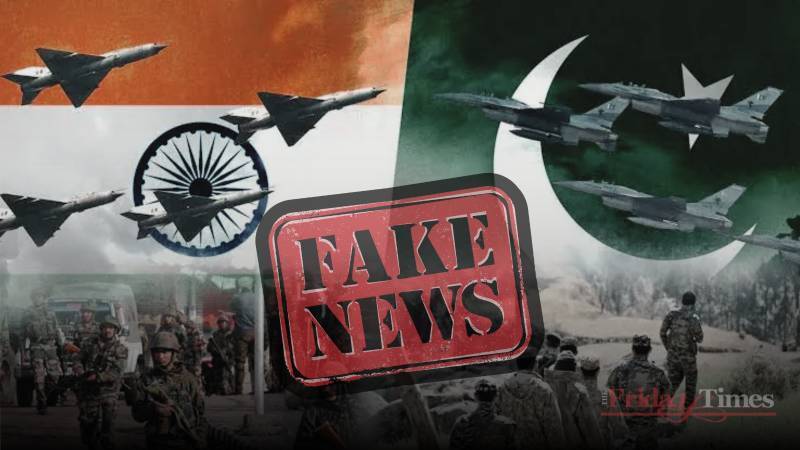
However, the national cohesion displayed during the crisis proved short-lived. Pakistan’s social media landscape has reverted to its characteristically divisive nature, with disinformation proliferating at what observers call “dizzying scale and speed.” The digital environment that once amplified patriotic sentiment now undermines the country’s strategic interests.
This dynamic has become particularly evident during the Field Marshal’s diplomatic missions abroad. His recent visit to war-torn Libya to strengthen defense ties with the eastern half of the country, led by Khalifa Haftar’s Libyan National Army, triggered a wave of speculation and controversy on social media platforms. Libya, divided by rival governments since Muammar Gaddafi’s 2011 ouster, has attracted involvement from various international powers including the United States, Egypt, France, Italy, Russia, and Turkey.
Pakistan’s entry into this complex geopolitical landscape has been accompanied by what appears to be coordinated efforts to undermine the diplomatic initiative. Even social media accounts presumed to be pro-establishment have engaged in destabilizing speculation about military appointments and promotions rather than focusing on the substance of these diplomatic engagements.
Security analysts express concern that such internal undermining serves no national interest, particularly as external threats loom. A recent report from the Council on Foreign Relations, a leading U.S. think tank, has warned of potential renewed conflict between India and Pakistan by 2026, centered on the disputed Kashmir region. Despite the May ceasefire, both countries have reportedly accelerated their defense preparations.
The challenge lies in regulating the digital information space without compromising freedom of expression. Currently, social media platforms operate with limited oversight regarding misinformation, with algorithms favoring provocative and negative content that generates user engagement regardless of accuracy.
Pakistan’s ability to translate its military success into long-term strategic gains remains uncertain in this fractured information environment. As the country navigates its position in what experts describe as a “conflict-prone neighborhood,” the consolidation of recent strategic advantages will require not only continued military diplomacy but also greater internal cohesion around national security interests.
The disconnect between Pakistan’s external posture and internal discourse threatens to undermine the country’s ability to leverage its elevated strategic importance for broader economic and defense benefits during a critical period of regional realignment.
Fact Checker
Verify the accuracy of this article using The Disinformation Commission analysis and real-time sources.

9 Comments
The role of social media in shaping public opinion and national sentiment during the crisis is noteworthy. Effective management of online narratives will be crucial for Pakistan moving forward.
Absolutely. Navigating the complex social media landscape and countering potential disinformation will be a key challenge for Pakistan’s strategic communications efforts.
The prominence of Pakistan’s military leadership in the aftermath of the crisis is an interesting development. It will be important to monitor how this affects the country’s civil-military relations going forward.
The article highlights Pakistan’s favorable geopolitical position following the conflict. This could present new opportunities for the country to diversify its diplomatic and economic partnerships in the region.
That’s a good point. Leveraging its improved regional standing to expand trade and investment ties could be a strategic priority for Pakistan.
Overall, this seems like a complex and multifaceted situation that will require careful navigation by Pakistan’s policymakers. Balancing regional dynamics, domestic politics, and social media narratives will be crucial for the country’s strategic positioning.
Interesting insights on the evolving geopolitical dynamics in Pakistan following the 2025 crisis. It’s important for the country to capitalize on this moment of national unity and momentum to strengthen its regional position.
Agreed. Pakistan’s military performance during the conflict was a testament to its capabilities, which could provide leverage in future diplomatic negotiations and regional cooperation.
I’m curious to see how Pakistan’s political divisions will evolve in the aftermath of the crisis. Maintaining national unity and capitalizing on the military gains will require adept leadership.