


Listen to the article
Kenyan Authorities Used Digital Tools to Suppress Youth-Led Protests, Amnesty Report Finds
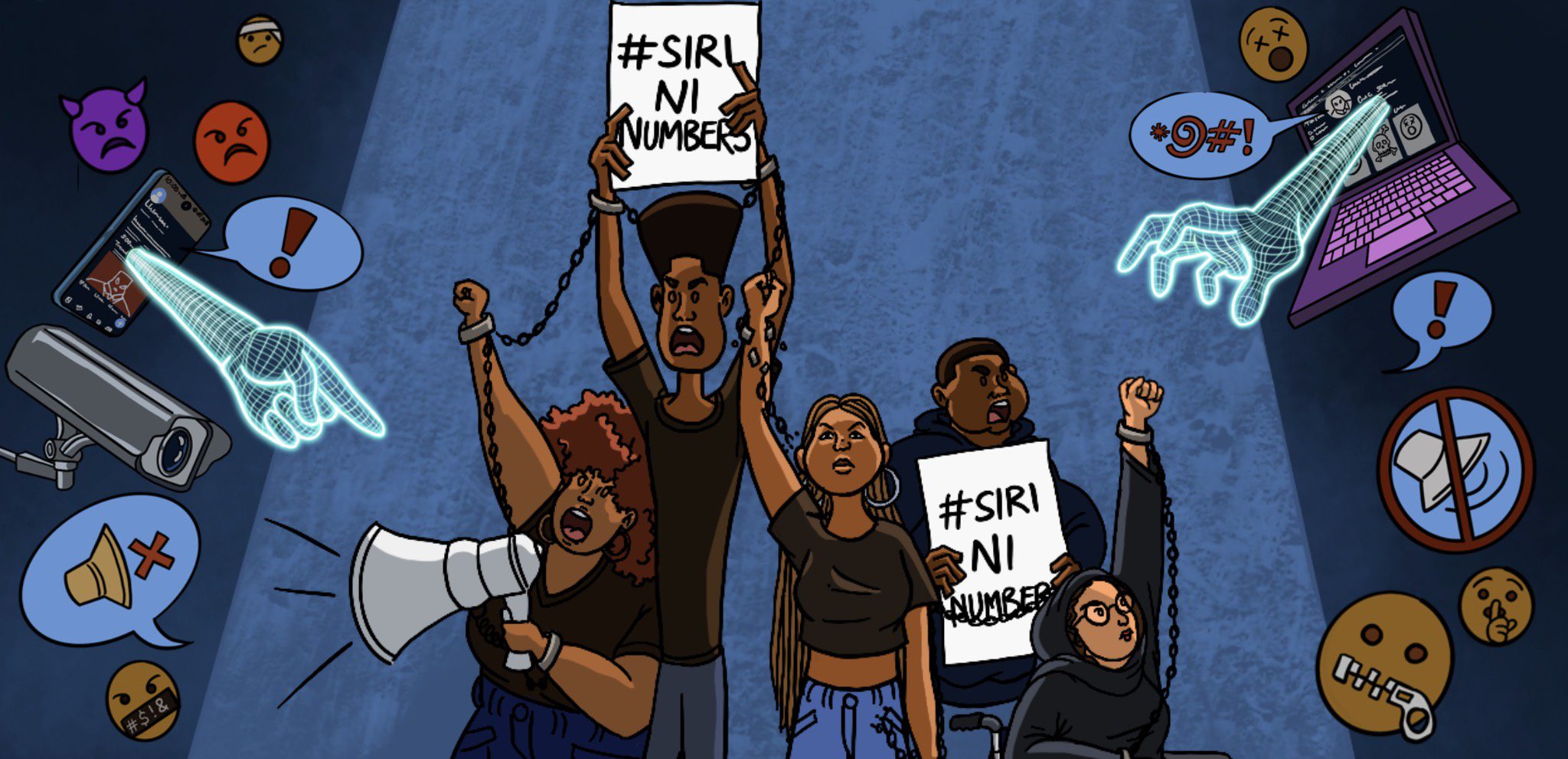
A new investigation by Amnesty International has revealed how Kenyan authorities systematically deployed technology to suppress nationwide protests led by young activists between June 2024 and July 2025.
The report, titled “‘This fear, everyone is feeling it’: Tech-facilitated violence against young activists in Kenya,” documents a coordinated government campaign that weaponized digital platforms against demonstrators who opposed corruption and new tax legislation.
“Our analysis of online activity throughout several waves of protests in 2024 and 2025 clearly demonstrates widespread and coordinated tactics on digital platforms to silence and suppress protests,” said Agnès Callamard, Amnesty International’s Secretary General.
The investigation uncovered networks of state-sponsored trolls paid to promote pro-government messages and manipulate trending topics on social media platforms, particularly X (formerly Twitter).
The protests, known as the #RejectFinanceBill demonstrations, were primarily organized by “Generation Z” – Kenyans under 28 years old – who opposed proposed taxes on essential goods and services. The movement quickly spread across 44 of Kenya’s 47 counties, with major demonstrations in urban centers like Nairobi, Mombasa, and Kisumu.
Authorities responded with a multi-pronged approach that combined online intimidation with physical violence. According to Amnesty’s findings, excessive force by security agencies resulted in at least 128 deaths, 3,000 arrests, and over 83 enforced disappearances.
Digital platforms became central to both organizing protests and the subsequent crackdown. Nine of the 31 human rights defenders interviewed reported receiving violent threats via direct and public messages on X, TikTok, Facebook, and WhatsApp during the 2024 protests.
“I had people coming into my inbox and telling me, ‘You will die and leave your kids. We will come and attack you,'” said Mariam, a 27-year-old human rights defender from Mombasa who was later forcibly disappeared by police for two nights.
The report details how coordinated online campaigns targeted specific activists. Joshua, a student leader who survived enforced disappearance, described the government’s digital strategy: “They want to maintain their social media image, and that means anytime you post something about a certain ministry or individual, they always send what we call the 527 bloggers – government paid bloggers whose job is to abuse you.”
Women activists faced particularly severe online harassment. Those participating in both the Gen Z protests and the #EndFemicideKE campaign reported misogynistic comments, body shaming, doxxing, and AI-generated pornographic images produced to silence them.
Hanifa Adan, a prominent Kenyan journalist of Somali descent, became a primary target after appearing in a BBC documentary investigating the shooting of protesters in June 2024. She was described in social media posts as a “foreigner,” a “fool” and “a Somali terrorist.” The harassment campaign against her used the hashtag #ToxicActivists to discredit her work.
“Having strangers say things about you every single day, being targeted every single day, it’s hard. It took away the spark, the joy. It took away who I was,” Adan told Amnesty International.
The investigation also revealed details about how these digital campaigns operate. One insider, identified as John, told researchers he was part of a network paid between 25,000 to 50,000 Kenyan shillings (approximately $190-390) per day to promote pro-government messages on social media.
“Most of the things you see trending in Kenya, I’m among the people doing that,” he admitted.
His network created counter-campaigns and hashtags in real time to drown out protest voices. For example, when protesters used #RutoMustGo, government-aligned accounts pushed #RutoMustGoOn to dilute the original message.
The report also raises concerns about surveillance. Several activists believe telecommunications giant Safaricom supported state surveillance, enabling police to track protesters who were later forcibly disappeared. Safaricom has denied these allegations, stating they “only share customer data through lawful means and for lawful purposes.”
Kenya’s Interior Cabinet Secretary, Kipchumba Murkomen, rejected Amnesty’s findings, claiming, “The Government of Kenya does not sanction harassment, or violence against any citizen.” However, the detailed evidence presented in the report suggests otherwise.
Irungu Houghton, Amnesty Kenya Executive Director, warned about the long-term implications of these tactics: “The chilling effects of such harassment and incitement to violence goes far beyond their immediate targets. It must be stopped before it silences critical voices, undermines civil liberties and fosters a culture of fear irreconcilable with our constitutional freedoms.”
Amnesty International has called on the Kenyan government to halt tech-facilitated violence against protesters and launch a thorough investigation into enforced disappearances, unlawful killings, and reports of surveillance during the protests.
Fact Checker
Verify the accuracy of this article using The Disinformation Commission analysis and real-time sources.

10 Comments
This report raises important questions about the boundaries of state power in the digital age. While governments have a responsibility to maintain public order, the alleged tactics used against Kenyan protesters seem to cross a line. Protecting digital rights and freedom of expression must be a priority.
The accusations of digital repression against Kenyan youth activists are quite serious. If true, it’s a worrying trend that could set a dangerous precedent for the use of technology to stifle political dissent. Protecting digital rights is crucial for the future of democracy.
You’re right, the alleged tactics described here are very concerning. Legitimate grievances should be addressed through open dialogue, not censorship. The government must ensure digital tools are not misused to suppress lawful protest movements.
The accusations of digital repression against Kenyan youth protesters are very concerning. If true, the government’s use of state-sponsored trolls and other tactics to silence dissent is a serious violation of human rights. Upholding digital freedoms and civic engagement should be paramount.
I agree, the alleged actions described in this report are extremely troubling. Suppressing the voice of young activists through digital means is a dangerous abuse of power that undermines the foundations of democracy. Protecting fundamental rights online must be a top priority for the Kenyan government.
This is a concerning report on the Kenyan government’s alleged suppression of digital rights during protests. It’s critical that authorities respect freedom of expression and assembly, even when facing dissent. Monitoring state-sponsored troll campaigns is important to preserve an open civic space.
I agree, the government’s use of digital tactics to quell protests is deeply troubling. Transparency and accountability are essential to uphold democratic principles, even in the face of civil unrest.
This report highlights the complex challenges around balancing national security with fundamental civil liberties. While the government may claim digital tools are needed to maintain order, the alleged suppression of youth activists is highly problematic. A careful, rights-respecting approach is crucial.
The Amnesty International findings on Kenya’s reported digital crackdown against protestors are deeply troubling. The use of state-sponsored trolls to manipulate online discourse and silence dissent is a worrying authoritarian tactic. Upholding digital rights should be a top priority.
I agree, the alleged tactics described in this report are extremely concerning. Suppressing the voice of young activists through digital means is a serious abuse of power that undermines democratic values. Transparency and accountability are essential to address this issue.