


Listen to the article
NHK’s Social Listening Team Leads Fight Against Digital Misinformation in Japan
In an era where social media increasingly shapes public discourse, Japan’s public broadcaster NHK has developed an innovative approach to monitoring and countering misinformation. The Social Listening Team (SoLT), operating since 2013, works around the clock to track information flows across platforms like X (formerly Twitter) and Facebook.
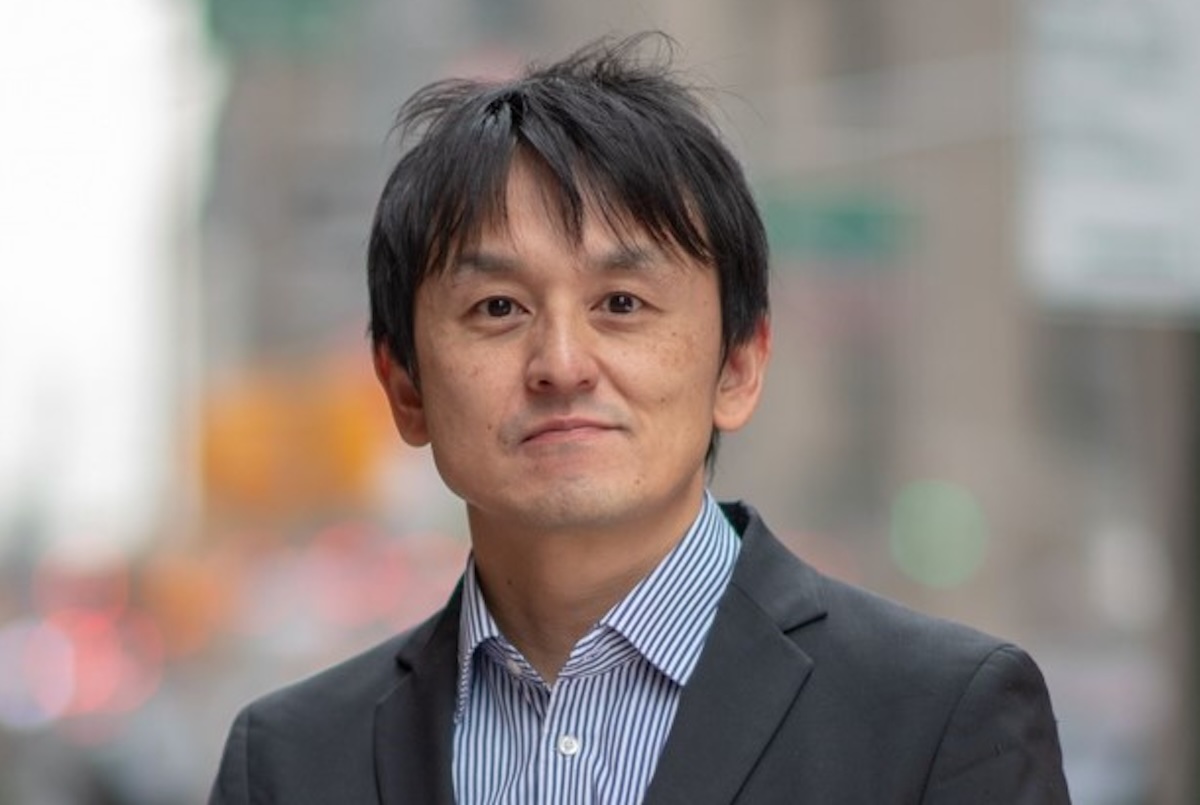
The team emerged as a response to Japan’s devastating 2011 earthquake and subsequent Fukushima nuclear disaster, when social media became flooded with unverified claims. “At the time, we did not have the know-how to even check the truthfulness of information shared on Twitter,” explained Junya Yabuuchi, a veteran NHK journalist who works closely with the team.
Based at NHK’s headquarters in Tokyo’s Shibuya district, the monitoring operation employs journalism students working in three shifts to ensure 24/7 coverage. These students review content in both Japanese and foreign languages, flagging potentially misleading information for further investigation.
“University students were the only possible option since we needed so much manpower,” said Yabuuchi. “Students were very helpful in suggesting words to search for on Twitter, and their participation really made the monitoring process effective.”
The team’s value has been demonstrated repeatedly during crisis situations. Following the 2024 Noto earthquake, SoLT identified a troubling trend: “We saw 250,000 posts on the artificial earthquake hypothesis by the end of the second day,” noted Kaori Iida, then-Director of NHK’s Digital News Division.
While the team monitors various platforms including Instagram, TikTok, Bluesky, and Threads, X remains their primary focus due to its popularity in Japan and the speed at which information spreads there. This focus has become even more critical since Elon Musk’s acquisition of the platform, which Yabuuchi said has “accelerated” misinformation.
The team’s work extends beyond mere monitoring. Each week, they produce at least 2-3 pieces debunking false information and creating explainers on how to identify misleading content. These efforts have proven particularly valuable during elections, natural disasters, and public health crises.
During the COVID-19 pandemic, for instance, the team discovered misinformation claiming that “the virus would spread from someone that had the vaccine injection,” leading some businesses to turn away vaccinated individuals. NHK responded with fact-based reporting to counter these false narratives.
More recently, during the 2024 U.S. presidential election, a student monitor identified a viral image purporting to show Donald Trump with a large lead over Kamala Harris. The team quickly determined this was created using a website that allows users to manipulate electoral maps, enabling NHK to alert its newsroom to the deception.
Climate misinformation presents a somewhat different challenge in Japan compared to other nations. “Japan is prone to natural disasters and every year they become more extreme. For this reason, fewer people are skeptical about climate change than in countries like the U.S.,” Yabuuchi explained. Instead, false information typically centers on disaster impacts rather than climate science itself.
As a public broadcaster, NHK faces unique constraints regarding political fact-checking due to impartiality requirements. However, with Japan’s House of Representatives election approaching this summer and unsubstantiated claims proliferating on social media, the organization is developing strategies to address political misinformation while maintaining neutrality.
For news organizations considering similar initiatives, Yabuuchi offers practical advice: “You need people with news judgment who can post on the kind of information that’s flying around in social media, but also IT-savvy people who closely observe what is happening.” While comprehensive 24/7 monitoring requires significant resources, he notes that “you can start a team like this with just a few staff members.”
As social media continues to evolve as both a news source and a vector for misinformation, NHK’s Social Listening Team offers a model for how traditional media organizations can adapt to monitor, analyze, and respond to the digital information ecosystem.
Fact Checker
Verify the accuracy of this article using The Disinformation Commission analysis and real-time sources.

6 Comments
The 2011 earthquake and Fukushima disaster must have been a real wakeup call for NHK. Deploying a dedicated social media monitoring team to stay on top of unverified claims was a smart move. It’s an approach more news organizations should consider, especially for high-impact events.
Interesting to hear about NHK’s proactive approach to combating misinformation. Monitoring social media 24/7 and using student help sounds like an effective strategy. Fact-checking is crucial, especially for sensitive topics like natural disasters and nuclear incidents.
Interesting to hear about NHK’s efforts to combat misinformation. Using university students as the core of the monitoring team is a clever approach – they likely have the digital savvy and language skills to keep up with fast-moving social media narratives. Curious to learn more about their specific processes and tools.
The challenges of verifying information on social media must have been significant after the Fukushima disaster. NHK’s Social Listening Team seems well-positioned to stay on top of emerging narratives and debunk falsehoods quickly. Kudos to them for this important work.
Absolutely. Rapid response and diligent fact-checking are vital when misinformation can spread so fast on social platforms. It’s good to see a major media organization taking a proactive approach.
I’m curious to learn more about the specific techniques and tools the SoLT team uses to monitor social media and identify potential misinformation. What data sources and analysis methods do they rely on? Sharing their lessons could help other media outlets facing similar challenges.