


Listen to the article
Vietnamese-Run Facebook Pages Spread Political Disinformation Targeting Australian Politicians
Foreign-operated social media accounts are spreading fabricated stories about Australian political figures, creating a web of disinformation designed to mislead and confuse audiences.
Several Facebook pages managed from Vietnam have recently published more than 30 posts containing false claims about prominent Australian politicians, including One Nation leader Pauline Hanson, Prime Minister Anthony Albanese, and Opposition figures Peter Dutton and Sussan Ley.
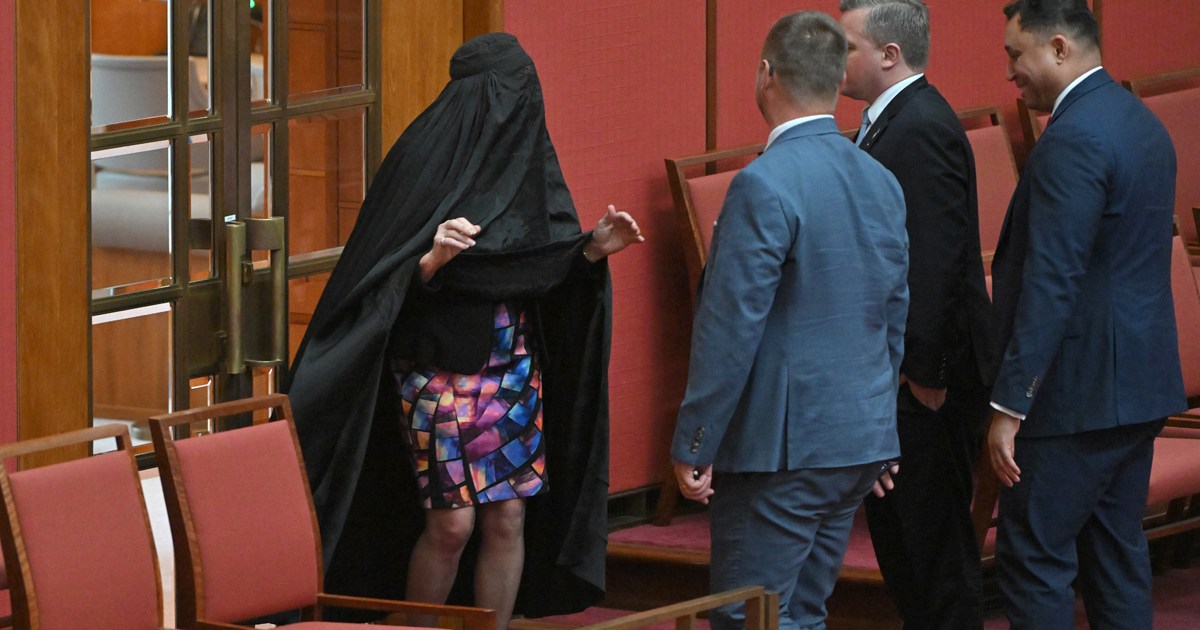
One recent fabrication alleges that Hanson is suing Prime Minister Albanese in a U.S. court over her November suspension from the Senate for wearing a burqa. The post attributes fake quotes to Hanson, including: “I tried to sue Anthony Albanese in Australia, but the case was covered up.” The post links to a website containing additional fabricated comments supposedly made during a “highly charged press conference” that never occurred.
Another false narrative claims Hanson is taking Albanese to court over alleged bribes paid to other politicians. “The man, who is the Prime Minister of a country but hides behind the media, I will take him to court,” the post falsely quotes her as saying. No such legal action exists.
The three Facebook pages involved—Swim Aquatics, Super Swimming, and Swim Hub—have previously been identified spreading disinformation about Australian swimmers. While focusing on Australian content, Meta’s transparency tools reveal they are operated from Vietnam, functioning as engagement-bait operations designed to drive traffic to ad-heavy websites.
The disinformation campaign has expanded beyond Hanson and Albanese to target other political figures. One post falsely claimed that former Liberal Party leader Peter Dutton was confronted by a “young immigrant” on live television, attributing fabricated xenophobic statements to Dutton: “Anyone who comes here is a guest in a house that isn’t theirs.”
Opposition Leader Sussan Ley has also been targeted with claims of an imminent leadership challenge. The posts incorrectly identify her position within the Liberal Party while fabricating quotes from MPs Andrew Hastie and Katie Allen calling her “a failure who can’t get anything done.” While leadership speculation exists within the Liberal Party, no direct challenge has materialized, and the attributed quotes are entirely fictional.
Environment Minister Murray Watt became another target when posts falsely claimed he criticized Albanese over the controversial $96.5 million redesign of the Bureau of Meteorology’s website. While Watt did express dissatisfaction with the redesign, according to ABC reporting, he never made the inflammatory statements attributed to him about the Prime Minister’s economic management.
Even more concerning, the pages have exploited the ongoing search for missing four-year-old South Australian boy Gus Lamont, who disappeared from a rural property in September. False posts claimed investigators had discovered “a secret bunker” and a “rusty suitcase” pulled from a well. Police statements confirm no such discoveries have been made in the search.
AAP FactCheck has previously identified these pages as part of a pattern of foreign-operated engagement-bait schemes. Such operations typically publish sensationalist and false claims to generate clicks, driving traffic to websites filled with advertisements, potential scams, and sometimes malicious software.
The continued spread of such political disinformation presents growing challenges for social media platforms, fact-checkers, and the Australian public in distinguishing genuine political news from fabricated content designed primarily to generate engagement and ad revenue.
Fact Checker
Verify the accuracy of this article using The Disinformation Commission analysis and real-time sources.

9 Comments
This is a concerning example of how social media can be weaponized to spread misinformation and sow discord. We should be wary of unverified claims, especially those originating from suspicious foreign sources, and refer to reputable news outlets for accurate information.
While social media can be a valuable tool for information sharing, it’s also a platform that can be exploited to spread misinformation. This case highlights the importance of verifying the source and accuracy of political claims before accepting them as true.
It’s troubling to see foreign-operated social media accounts spreading false claims about Australian politicians. We need to be vigilant and rely on authoritative, fact-based sources when it comes to political news and information.
Absolutely. Disinformation campaigns can have real impacts on public discourse and democratic processes. Robust fact-checking and media literacy initiatives are crucial to counter these kinds of malicious efforts.
The fabricated stories about Australian politicians are clearly an attempt to mislead and confuse the public. It’s a good reminder that we need to be critical consumers of online content and fact-check claims before believing or sharing them.
The spread of disinformation on social media is a growing concern, and this case involving Australian politics is a prime example. We must be critical consumers of online content and rely on authoritative sources to stay informed.
Spreading misinformation on social media is a serious problem, especially when it targets political figures. These fabricated stories seem designed to mislead and sow confusion. Fact-checking and media literacy are so important to combat this kind of disinformation.
Disinformation campaigns like this one underscore the importance of digital literacy and the need for robust fact-checking mechanisms. We must remain vigilant against the spread of false narratives, especially when they target political figures.
It’s troubling to see foreign-operated social media accounts spreading fabricated stories about Australian politicians. We need to be wary of unverified claims and refer to reputable news sources to stay informed about important political issues.