


Listen to the article
Experts Address Health Misinformation Crisis at Manila Summit
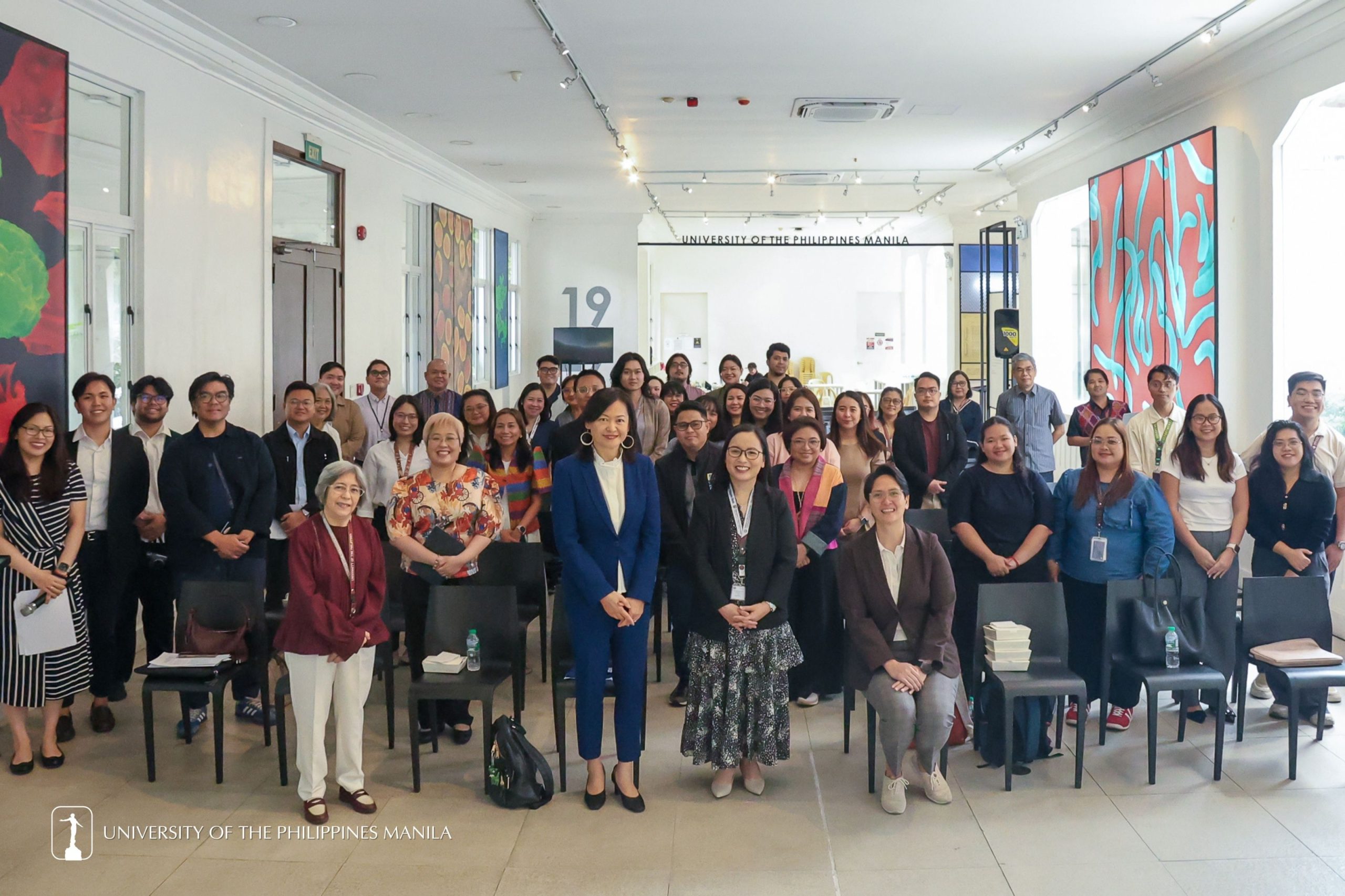
Health researchers and policy experts convened at the University of the Philippines Manila on February 20, 2026, to tackle the growing problem of health misinformation at the Health Research Promotion Summit 2026.
The summit highlighted how digital misinformation has evolved into a significant public health challenge, particularly following lessons from the COVID-19 pandemic.
Assistant Professor Jon Benedik Bunquin from the UP College of Media and Communication opened discussions with the story of “Lillian,” an elderly former healthcare worker who faced the difficult decision of whether to get vaccinated during the pandemic. Her methodical approach to researching the vaccine before making a decision illustrated the complex information landscape that individuals must navigate when making health choices.
“Social media has become one of the most important sources of scientific information,” Bunquin explained. “It’s a space where people can both actively seek out and be incidentally exposed to scientific data. But it’s also a polluted environment, with falsehoods and narratives of people with unqualified voices and content amplified simply because they’re liked or shared by others.”
Bunquin, who studied online misinformation as a Fulbright Scholar at the University of Oregon, warned that while social media can empower communities, it simultaneously accelerates the spread of inaccurate health information.
The World Health Organization (WHO) has coined the term “infodemic” to describe this phenomenon—an overabundance of information, both accurate and inaccurate, that accompanies acute health events like epidemics. According to WHO representatives at the summit, infodemics create confusion, foster distrust in health authorities, and can lead to risky health behaviors.
Dr. Iris Thiele Isip-Tan, professor and chief of UP Medical Informatics Unit, advocated for a shift from reactive fact-checking to proactive prevention strategies.
“What is needed is proactive prevention,” she said. “Prebunking means exposing communities to weakened examples of misinformation as a form of inoculation. We need digital health literacy programs at the community level. Filipinos need to build critical evaluation skills.”
Dr. Isip-Tan emphasized that community health workers require training to recognize manipulation tactics “so they can help their communities build antibodies against mis and disinformation.” This grassroots approach could create more resilient communities able to withstand waves of health misinformation.
The summit also examined how commercial and political interests shape health information environments. Researchers presented findings on the regulatory landscape governing tobacco and vape use in the Philippines, advertising of alcoholic beverages targeting youth, and policies addressing industrially produced trans fats in the food supply.
Atty. Sophia Monica San Luis, executive director of ImagineLaw, provided legal perspectives on food regulation, while Filomeno Sta. Ana III from Action for Economic Reforms addressed the political economy factors influencing alcohol regulation.
Climate change emerged as another critical focus area, with presentations exploring how extreme weather events and changing disease patterns intersect with public health challenges. Dr. Pamela Gloria Cajilig from UP Diliman discussed methods to highlight local knowledge in climate health adaptation, while Dr. Kristal An Agrupis from the National Institutes of Health presented recent trends in research on climate change health impacts in the Philippines.
Dr. Anthony Geronimo Cordero, director of the UP Community Health and Development Program, offered insights on community health systems’ perspectives on climate resilience. Dr. Michael Caampued, president of the Philippine College of Public Health Physicians, addressed workforce preparedness for climate-adaptive primary healthcare.
Government health officials provided strategic context for these discussions. Dr. Jethri Cruz, director of the Health Policy Development and Planning Bureau at the Department of Health, outlined national priorities for health promotion research. Dr. Jaime Montoya, executive director of the Philippine Council for Health Research and Development at the Department of Science and Technology, discussed the government’s role in setting research agendas.
The event, held at UP Manila’s Museum of a History of Ideas, brought together academics, policymakers, and WHO representatives, including Xi Yin, Western Pacific Region Coordinator on Health Promotion and Policy.
As digital platforms continue to evolve and climate challenges intensify, the summit underscored the need for robust, evidence-based approaches to health communication that can withstand both deliberate misinformation and the complexity of emerging health threats.
Fact Checker
Verify the accuracy of this article using The Disinformation Commission analysis and real-time sources.

10 Comments
The COVID-19 pandemic has shown us how quickly misinformation can spread on social media and the harm it can cause. I’m glad to see this summit addressing this critical problem.
The case study of ‘Lillian’ highlights the challenges individuals face in navigating the complex information landscape online. It’s a nuanced issue that requires a multifaceted approach.
Absolutely. People need to be equipped with the critical thinking skills to discern fact from fiction, especially when it comes to important health decisions.
I’m curious to learn more about the specific strategies and tools the experts plan to discuss for combating health misinformation on social media. This is a global problem that requires innovative solutions.
It’s encouraging to see a major research summit focused on this issue. Tackling the spread of misinformation is vital for public health and restoring trust in science.
I agree. Misinformation can have real-world consequences, so it’s important that experts work together to find effective ways to address this challenge.
This summit sounds like an important step in addressing a complex and pressing issue. I look forward to learning more about the strategies and solutions proposed by the experts.
Me too. Tackling misinformation on social media is crucial for public health and well-being. I hope this summit leads to meaningful progress in this area.
This is an important issue that needs to be addressed. Misinformation on social media can have serious public health consequences. I’m glad to see experts coming together to tackle this problem.
Agreed. Social media has become a powerful platform for sharing information, both true and false. Addressing misinformation is crucial for public trust and well-being.