


Listen to the article
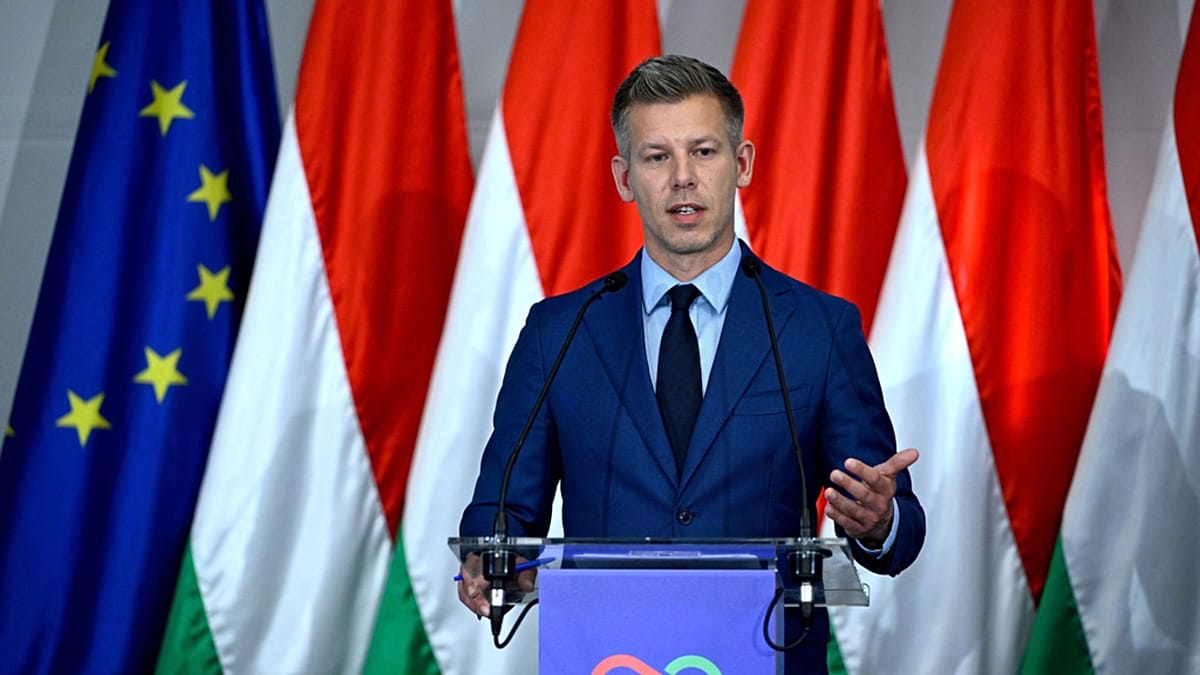
In the wake of his decisive electoral victory, Hungarian Prime Minister-elect Péter Magyar finds himself battling a surge of misinformation on social media platforms. Despite not yet forming his government, Magyar has become the target of numerous false and misleading claims circulating online.
Several viral posts on X (formerly Twitter) have misrepresented Magyar’s immigration policies and falsely attributed statements to him regarding European leadership positions. These claims have gained significant traction, with some posts accumulating thousands of likes and shares.
One particularly widespread falsehood claims that Magyar plans to revoke work permits for “All Ukrainians and other immigrants from outside the EU” starting in June, forcing all non-EU guest workers to leave Hungary. This claim distorts Magyar’s actual position on immigration.
In reality, Magyar did address non-EU guest workers during a New Year’s Eve speech on December 31, 2025, when he stated that from June 1, 2026, his Tisza party would “allow no non-Hungarian guest workers outside of the European Union,” reflecting the party’s strict migration stance. However, this policy does not target immigrants already present in Hungary before that date, contrary to what the viral posts suggest.
Furthermore, Magyar did not reiterate this policy during his post-victory press conference, though he did mention plans to impose stricter regulations on foreign companies that employ minimal numbers of Hungarian workers.
Another misleading claim making rounds across X, Facebook, and TikTok involves a video clip of Magyar asking the rhetorical question, “What if Viktor Orbán was the European Commission or Council’s President?” The posts accompanying this clip suggest that Magyar is advocating for Orbán, the outgoing prime minister, to replace Ursula von der Leyen as European Commission president.
This representation severely mischaracterizes the context of Magyar’s statement. The interview in question was conducted by the independent Hungarian news outlet Telex in 2024, where Magyar posed this question hypothetically rather than as an endorsement. During the interview, Magyar acknowledged Orbán’s political strength and vision while noting that “most people in Hungary probably don’t agree with it.” The question was clearly not meant as a serious proposal for Orbán to assume a top EU leadership position.
While the sources behind these misleading posts remain unclear, the pattern of misinformation is concerning. Digital research experts have noted that Magyar was previously targeted by a Russian disinformation campaign known as Storm-1516 during Hungary’s election campaign. This operation reportedly created fabricated reports that appeared to come from legitimate sources to spread false claims about Magyar.
The spread of such misinformation presents a significant challenge for Magyar as he prepares to take office. These false narratives have the potential to undermine public trust in his leadership before his administration even begins its work, highlighting the increasingly problematic role of social media platforms in disseminating political misinformation.
As Magyar works to form his government, distinguishing between his actual policy positions and these fabricated claims will be crucial for Hungarian citizens trying to understand their new leader’s true agenda and for international observers assessing Hungary’s political direction under its incoming administration.
Fact Checker
Verify the accuracy of this article using The Disinformation Commission analysis and real-time sources.

12 Comments
This is a good reminder to be cautious about social media rumors, especially around political figures. I’d encourage looking into Magyar’s stated positions directly rather than relying on potentially misleading online claims. Responsible reporting is important during elections.
Agreed. It’s crucial to rely on authoritative and fact-based sources when evaluating candidates and their policies, rather than getting swept up in sensational social media posts.
It’s disheartening to see the spread of misinformation, even after a decisive electoral outcome. Responsible journalism and fact-checking will be crucial in the weeks and months ahead as Magyar’s administration takes shape. Voters deserve an accurate understanding of his agenda.
While I may not agree with all of Magyar’s positions, the rampant falsehoods circulating online are concerning. I hope the media can provide clear-eyed analysis of his actual plans and priorities as he assumes power. Maintaining an informed, evidence-based public discourse is vital.
This speaks to the ongoing challenge of combating misinformation, even after a clear electoral outcome. While Magyar’s views on immigration may be controversial, it’s crucial that the public has access to accurate, fact-based information about his policies and plans. Discernment will be key in the months ahead.
It’s interesting to see the misinformation surrounding Magyar’s election victory. While he does have a strict stance on immigration, the claims about revoking all non-EU work permits seem exaggerated. I wonder how his actual policies will play out once he forms his government.
The flurry of false claims around Magyar’s election victory is troubling. As a voter, I’d encourage looking past the online noise and focusing on his concrete policy proposals and actions once in office. Discernment is important during times of political change.
The false claims about Magyar’s immigration policies are troubling, but not entirely unexpected given the heated political climate. As his administration takes shape, I hope to see balanced reporting that focuses on the facts of his actual proposals and actions, rather than sensationalized online narratives.
The false claims about Magyar’s immigration plans are concerning, but not surprising given the charged political climate. I hope the media and fact-checkers can help cut through the misinformation as his administration takes shape.
Absolutely. Maintaining an objective, evidence-based understanding of politicians’ actual positions is vital, especially during transitional periods like this.
This situation underscores the importance of media literacy and critical thinking when it comes to online claims, especially around elections and political transitions. I encourage looking to authoritative sources to understand Magyar’s positions, rather than relying on potentially biased social media posts.
This highlights the challenges of combating misinformation in the digital age. While Magyar’s views on immigration may be controversial, it’s important to separate fact from fiction. Careful analysis of his stated policies will be key as he assumes power.