


Listen to the article
Health Ministry Blocks Multiple Fraud Attempts at Social Health Authority
Health Cabinet Secretary Aden Duale has revealed that the Ministry of Health’s digital systems have successfully prevented numerous fraudulent activities targeting the Social Health Authority (SHA), saving millions of shillings in the process.
The CS expressed concern over what appears to be a coordinated effort involving unscrupulous patients, healthcare workers, and medical facilities attempting to defraud the national health insurance scheme. These attempts have been systematically blocked by the ministry’s digital safeguards, preventing significant financial losses.
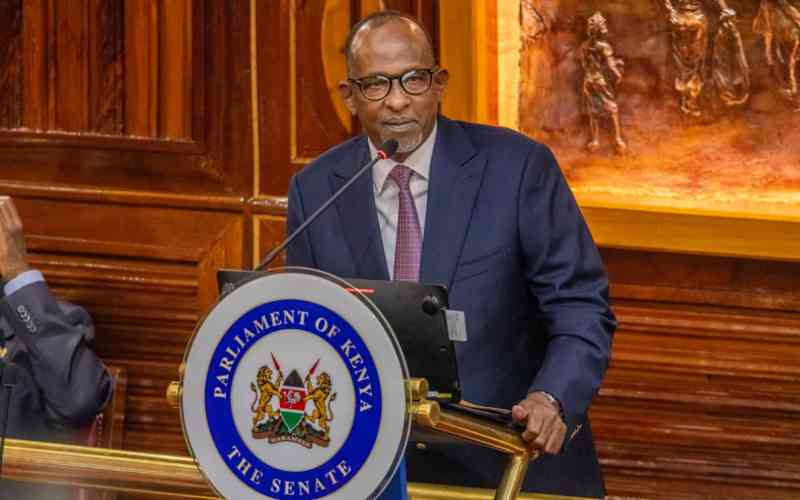
“Our digital monitoring and verification systems have proven essential in identifying and stopping these fraudulent claims before they could be processed,” Duale explained during his appearance at the Senate chambers this week.
The fraud attempts come at a critical time for Kenya’s healthcare system, which is undergoing significant transformation following the transition from the National Health Insurance Fund (NHIF) to the Social Health Authority. This shift represents one of the most substantial reforms in Kenya’s public health insurance framework in recent years.
Industry experts note that healthcare fraud is a persistent challenge facing insurance systems worldwide, with estimates suggesting it accounts for billions in losses annually across various countries. Common schemes include billing for services never rendered, upcoding of medical procedures, and collusion between providers and patients.
“Healthcare fraud ultimately harms ordinary Kenyans by depleting resources meant for legitimate medical care and driving up insurance costs,” said Dr. Marion Wambui, a health policy analyst at the Kenya Medical Research Institute. “The Ministry’s vigilance in this matter is commendable, but sustainable solutions will require both technological and regulatory approaches.”
The SHA, which replaced the NHIF earlier this year, was established with an expanded mandate to provide more comprehensive healthcare coverage and improve service delivery to Kenyans. The new authority operates with enhanced digital infrastructure specifically designed to improve efficiency and reduce the risk of fraud.
Healthcare providers across Kenya have been adapting to the new system, which includes more rigorous verification protocols and real-time claims processing. While these measures have strengthened oversight, they have also presented challenges for some facilities accustomed to the previous system’s procedures.
“The transition period was always going to be vulnerable to exploitation,” noted James Mwangi, Chairman of the Kenya Association of Private Hospitals. “As healthcare providers adjust to new protocols, some individuals may attempt to take advantage of perceived gaps in the system.”
Duale did not disclose the specific nature of all the fraud attempts or name the facilities involved, citing ongoing investigations. However, he indicated that the ministry is working closely with law enforcement agencies to pursue those responsible.
The CS also revealed that the ministry is developing additional safeguards, including advanced analytics and artificial intelligence tools, to further enhance fraud detection capabilities. These technologies will help identify unusual billing patterns and flag suspicious claims for further investigation.
Healthcare industry observers see this as part of a broader trend toward digitization in Kenya’s health sector, which has accelerated in recent years. The implementation of electronic medical records, digital claims processing, and centralized patient databases has created opportunities for more effective oversight and management of healthcare resources.
“Digital transformation of our health systems is not just about efficiency; it’s about accountability and ensuring that public resources reach those who need them most,” Duale emphasized.
The Ministry of Health has urged healthcare facilities and professionals to adhere strictly to SHA guidelines and warned that those found engaging in fraudulent activities will face severe consequences, including potential loss of accreditation and criminal charges.
As Kenya continues to pursue universal health coverage as part of its development agenda, protecting the integrity of health insurance systems remains a critical priority for the government.
Fact Checker
Verify the accuracy of this article using The Disinformation Commission analysis and real-time sources.

9 Comments
The transition to the Social Health Authority represents an important reform, but it also opens up new vulnerabilities that unscrupulous actors may seek to exploit. Strengthening digital verification and monitoring capabilities is a prudent step to safeguard public resources.
The transition to the Social Health Authority is a significant undertaking, and it’s understandable that there may be growing pains along the way. The ministry’s proactive approach in addressing fraud attempts is commendable and demonstrates a commitment to responsible stewardship of public resources.
Agreed. Successful implementation of the new system will require ongoing monitoring, adaptation, and a shared sense of responsibility among all stakeholders to ensure the healthcare needs of Kenyans are met effectively and efficiently.
Fraud in the healthcare system is a serious issue that can undermine access to quality care. I’m glad to see the government taking proactive measures to identify and block these attempts. Continued collaboration between the ministry, providers, and the public will be essential.
Absolutely. Transparency and accountability throughout the system are crucial to ensure public funds are used effectively and efficiently to support the healthcare needs of all Kenyans.
The shift to the Social Health Authority presents both opportunities and challenges. While the digital safeguards have proven effective in preventing fraud, ongoing vigilance and robust oversight will be necessary to maintain the integrity of the system.
Healthcare fraud is a complex issue that requires a multifaceted approach. The ministry’s efforts to leverage technology to identify and block fraudulent claims are a positive step, but continued collaboration with healthcare providers and the public will be key to long-term success.
It’s concerning to hear about the fraud attempts targeting the new healthcare system. Robust digital safeguards are essential to protect public funds and ensure the integrity of the insurance scheme. Proper oversight and accountability measures will be key going forward.
Agreed. The ministry’s proactive approach in identifying and blocking these fraudulent claims is commendable. Ongoing vigilance and cooperation between health facilities and the government will be crucial to maintain the system’s stability and public trust.