


Listen to the article
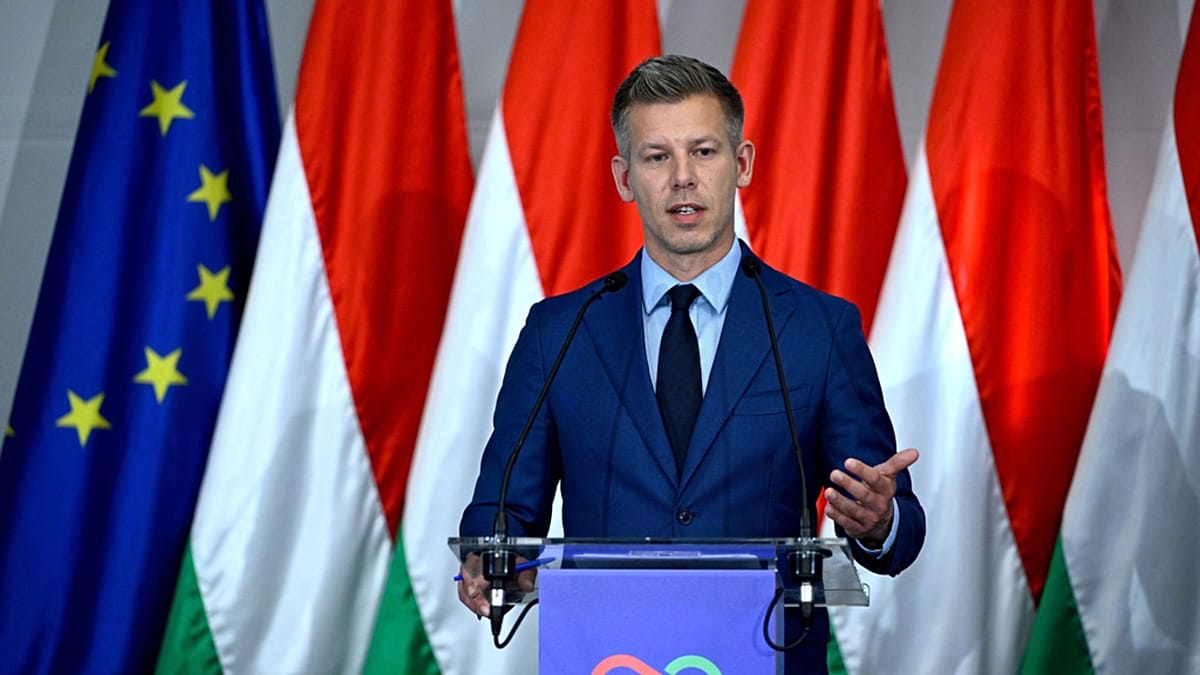
Incumbent Prime Minister Viktor Orbán and his Fidesz party secured another decisive victory in Hungary’s recent parliamentary elections, yet the political landscape remains dominated by unfounded claims targeting opposition leader Péter Magyar.
Despite the electoral outcome being settled, social media platforms continue to circulate misleading content about Magyar, who emerged as Orbán’s most significant challenger in years. These falsehoods persist even after Magyar conceded defeat in the April contest that saw Fidesz claim approximately 47% of the vote compared to his Tisza party’s 30%.
Magyar, a former insider of Orbán’s political circle who broke away to form his own opposition movement earlier this year, has become a lightning rod for disinformation. Fact-checking organizations have identified numerous fabricated claims circulating online, many attempting to discredit his character and political positions.
“The persistence of these false narratives even after the election shows how disinformation has become a permanent feature of Hungary’s political environment,” said Márton Kárász, a political analyst at Budapest’s Centre for Democratic Institutions. “These aren’t just election tactics anymore—they’re part of a broader strategy to undermine any potential opposition leadership.”
One particularly widespread claim falsely suggested Magyar had plans to send Hungarian troops to Ukraine if elected. This narrative gained traction despite Magyar repeatedly stating throughout his campaign that he opposed such measures. The falsehood appeared designed to portray him as willing to draw Hungary into direct conflict with Russia, a highly unpopular position among Hungarian voters.
Hungary’s media landscape, which press freedom organizations have described as increasingly concentrated in government-friendly hands, has contributed to the spread of these narratives. The European Union has repeatedly expressed concern about media independence in the country, with the latest Commission rule of law report noting “persistent problems” with media pluralism.
The phenomenon reflects broader trends across Europe, where disinformation campaigns often continue well after elections conclude. Political communications experts suggest these ongoing campaigns serve multiple purposes: undermining the legitimacy of opposition figures, preventing them from building momentum for future electoral cycles, and reinforcing partisan narratives among supporters.
“False information doesn’t stop at election day because its purpose isn’t just electoral victory,” explained Dr. Helena Kovács from the European Centre for Press and Media Freedom. “It’s about creating permanent narratives that shape how voters perceive political figures and events over the long term.”
The European Digital Media Observatory has documented similar patterns in other recent European elections, where candidates continue to face coordinated disinformation campaigns well after ballots are counted. In Hungary’s case, the persistence of these claims comes amid growing concerns about democratic backsliding, with international observers noting the increasingly uneven playing field in Hungarian politics.
Magyar’s rapid rise to prominence made him a particular target. Having only formed his Tisza party in February, he managed to consolidate much of the opposition vote that had previously been split among several parties. His former insider status—Magyar was once married to a Fidesz minister and worked within the party’s ecosystem—made him especially threatening to the Orbán government.
Social media platforms have struggled to contain the spread of these false narratives, which often originate from anonymous accounts but sometimes get amplified by more established media outlets. Research from the Central European University indicates that once disinformation enters Hungary’s media ecosystem, it can reach millions of citizens within hours.
For Hungarian voters, distinguishing fact from fiction has become increasingly challenging. Public trust in media institutions has declined steadily over the past decade, creating fertile ground for misleading content to flourish.
As Hungary enters another four years of Orbán’s leadership, political analysts suggest the continued campaign against Magyar indicates the government views him as a potential threat in future elections. The Fidesz party’s dominance of Hungarian politics has now extended beyond 14 years, but Magyar’s unexpected rise demonstrated that opposition figures can still emerge rapidly to challenge the status quo.
Whether Magyar can maintain momentum over the coming years remains uncertain, but what’s clear is that the information battle surrounding his political identity continues long after the election results have been settled.
Fact Checker
Verify the accuracy of this article using The Disinformation Commission analysis and real-time sources.

9 Comments
The persistence of these false claims about Magyar is troubling. It suggests that the use of disinformation has become a standard tactic in Hungarian politics, undermining the democratic process. Fact-based reporting and public awareness campaigns are needed to combat this issue.
You’re right. Disinformation shouldn’t be allowed to dominate the political discourse, even after an election is over. Holding leaders and media accountable is crucial to maintaining a healthy democracy.
This is a concerning situation that highlights the challenges of combating disinformation in the digital age. While the election results may be settled, the continued spread of false claims about Magyar is troubling. Addressing this issue will require a collaborative effort involving fact-checkers, media organizations, and policymakers to hold leaders accountable and promote media literacy.
The persistence of these false claims about Magyar is worrying. It suggests that disinformation has become a permanent fixture in Hungarian politics, even after the election outcome. Maintaining the integrity of the democratic process should be a top priority, and fact-based reporting is essential to countering these false narratives.
The persistence of these false claims about Magyar, even after the election, is a worrying sign. It suggests that disinformation has become a powerful tool in Hungarian politics, undermining the democratic process. Addressing this issue will require a multifaceted approach, including robust fact-checking, media literacy campaigns, and holding leaders and media outlets accountable for the spread of false narratives.
This is a concerning trend, where political opponents become targets of misinformation campaigns even after losing an election. Maintaining the integrity of the democratic process is crucial, and addressing these false claims should be a priority.
I agree. Fact-checking and media literacy are key to countering the spread of disinformation in the digital age. It’s an ongoing challenge, but an important one to tackle.
This is a complex issue that highlights the challenges of combating disinformation in the digital age. While the election results are settled, the spread of false claims about Magyar remains a concern. Addressing this problem will require a multifaceted approach involving fact-checking, media literacy, and accountability measures.
Interesting to see how disinformation continues to spread even after election results are settled. It highlights the need for robust fact-checking and accountability measures to combat these false narratives.