


Listen to the article
The European Commission unveiled a new legislative package called the “European Democracy Shield” on Wednesday, November 12th, presenting it as a framework to strengthen democratic resilience across the EU. Irish Commissioner Michael McGrath and Vice President Henna Virkunnen jointly introduced the initiative during a press conference in Brussels.
The plan centers on three core elements: protecting the information space, strengthening democratic institutions, and enhancing social resilience. Central to this effort will be the establishment of a European Centre for Democratic Resilience, designed to detect and counter what the Commission describes as disinformation and foreign manipulation threats.
“European democracy is under attack and we must protect it,” Virkunnen stated during the announcement. The Commission argues that the center will serve as a coordination hub for member states to track, monitor, and respond to what it considers harmful online content and influence operations.
The legislative package arrives amid growing concerns about disinformation, particularly during election periods. It proposes expanded regulatory oversight of major technology platforms including Meta, X (formerly Twitter), and TikTok, building upon existing frameworks like the Digital Services Act and Artificial Intelligence Act.
Under the proposed rules, platforms would face stricter requirements to label or remove AI-generated content and deepfakes, with particular emphasis on monitoring during electoral campaigns. The Commission also envisions creating pan-European networks of fact-checkers and crisis protocols to address what it deems harmful content.
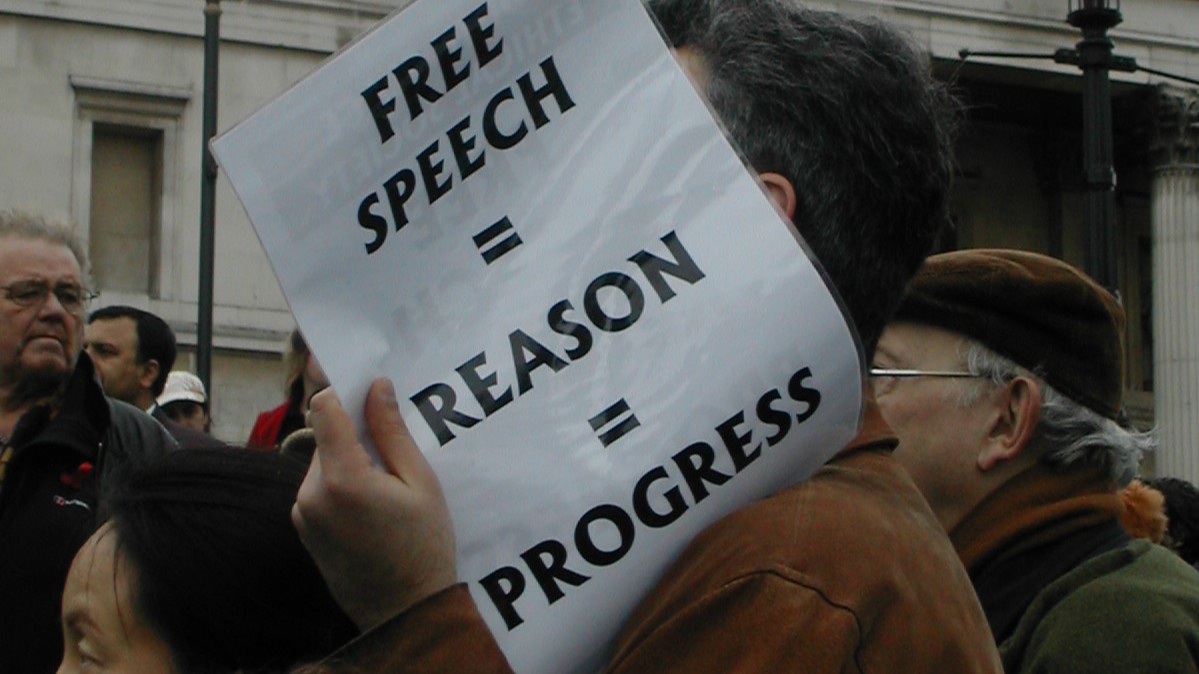
Commissioner McGrath emphasized that the initiative “does not seek to limit freedom, but to protect it.” However, the proposal has already sparked significant debate about potential implications for freedom of expression and media independence across the continent.
Critics argue that the Shield could give Brussels unprecedented power to monitor and potentially censor media outlets, social networks, and online discourse under the broad umbrella of combating “foreign manipulation.” Questions remain about who will define what constitutes disinformation or determine when content crosses the threshold for intervention.
The approach mirrors similar national systems already operating in countries like France and Sweden, where government agencies monitor online information environments. The EU proposal would elevate such monitoring to the continental level, creating a more centralized oversight framework.
The timing of this initiative is notable, coming as the EU faces mounting challenges from Eurosceptic movements and growing political polarization across member states. Some policy analysts suggest the Democracy Shield represents Brussels’ attempt to consolidate institutional control over information flows at a time when its authority faces increasing scrutiny.
The legislative package will now move through the EU’s complex approval process, requiring review by the European Parliament and Council before potential implementation. The debate is likely to center on balancing legitimate concerns about foreign interference with fundamental rights guarantees.
Digital rights organizations have already expressed concerns about vague definitions in the proposal that could potentially allow for overreach. They point to the difficulty of objectively determining what constitutes “harmful” content versus legitimate political criticism or satire.
The European Centre for Democratic Resilience would wield significant influence in coordinating responses across member states, raising questions about subsidiarity and national sovereignty in information governance.
As Europe navigates increasingly complex digital threats, including sophisticated disinformation campaigns and election interference attempts, the Democracy Shield represents the EU’s most ambitious effort yet to create continent-wide safeguards. Whether it succeeds in strengthening democratic institutions or potentially undermines the very freedoms it claims to protect will depend largely on how its broad mandates are ultimately implemented and overseen.
Fact Checker
Verify the accuracy of this article using The Disinformation Commission analysis and real-time sources.

10 Comments
Disinformation is a growing challenge globally. This new EU center could serve as a model for international collaboration to address the threat, if implemented thoughtfully.
An interesting initiative by the EU to combat disinformation. While the details will be important, a coordinated effort to track and respond to harmful online content seems prudent in the digital age.
As someone who closely follows the mining and commodities sectors, I’m curious to see how this agency might impact the information landscape around those industries. Balanced, fact-based reporting is essential.
The creation of this new EU agency reflects the growing urgency to address the harms of online disinformation. Careful implementation will be key to ensuring it’s an effective and impartial bulwark for democratic resilience.
As an investor in mining and commodity stocks, I’ll be closely watching how this agency handles information related to those industries. Accurate, unbiased data is critical for making informed decisions.
This is a timely move by the EU. Disinformation has become a major threat to democratic discourse, especially around sensitive topics like energy and natural resources. I hope this new agency can make a positive difference.
While the intentions seem laudable, I have some concerns about potential overreach or political bias in defining and combating ‘disinformation.’ Rigorous independent oversight will be crucial.
A valid concern. The success of this effort will depend greatly on maintaining impartiality and transparency in the agency’s operations.
Protecting democratic institutions from foreign manipulation is crucial. I hope the new agency will be able to effectively identify and counter disinformation threats, while respecting free speech principles.
Agreed, the balance between security and civil liberties will be critical. Robust transparency and accountability measures will be key.